Why Barcodes Are Reaching Their Limits Barcodes rely on sight, one scan at a time, and are highly dependent on manual labor. Each scan costs 3-5 seconds of labor, and the accuracy of cycle counting usually falls between 85-90% - missed scans, incorrect entries, and shelves-void are the norm. In the face of exploding SKU volumes, omnichannel fulfillment, and real-time inventory requirements, the barcode ceiling has been hit.
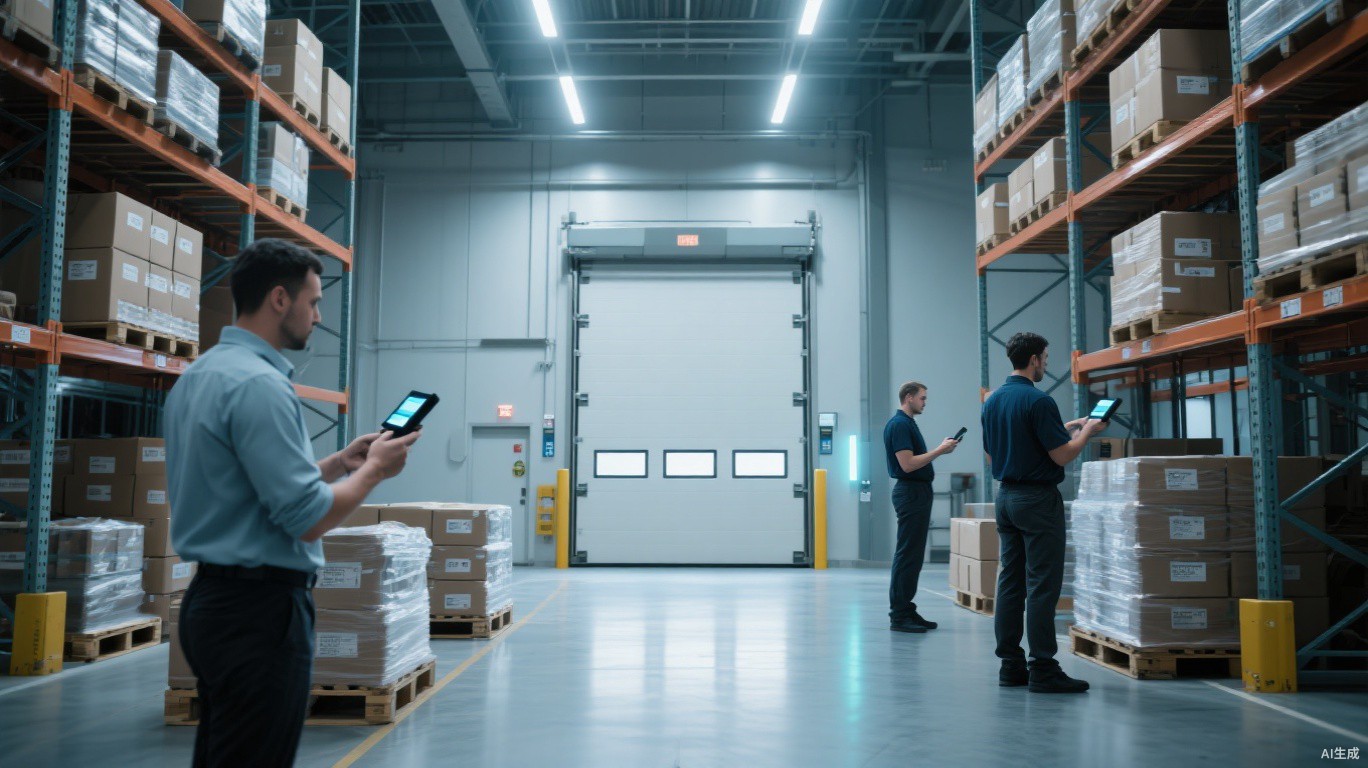
Fundamental Differences in RFID RFID is batch, non-line-of-sight, and machine-driven. A handheld machine can read 1000+ tags in 30 seconds, and the inventory accuracy rate is stable at 99.4-99.9%. The unit price of UHF tags has dropped to extremely low levels, making labeling costs negligible in most retail scenarios.
Real data: 50 store pilots In a 50-store pilot, a retailer that replaced barcode counting with RFID saw inventory counting times drop from 8 hours to 30 minutes, out-of-stock losses dropped by 42%, and inventory shrinkage dropped by 62%. The 3-year comprehensive ROI averages 380% and the payback period is 9.6 months.
Migration path We recommend migrating in four stages: tag → handheld device → ceiling reader → AI access control. Proceeds from each phase pay for the next phase, with the overall migration typically completed within 6-9 months.