 01
0115+Years RFID Focus
15-Year RFID Specialization
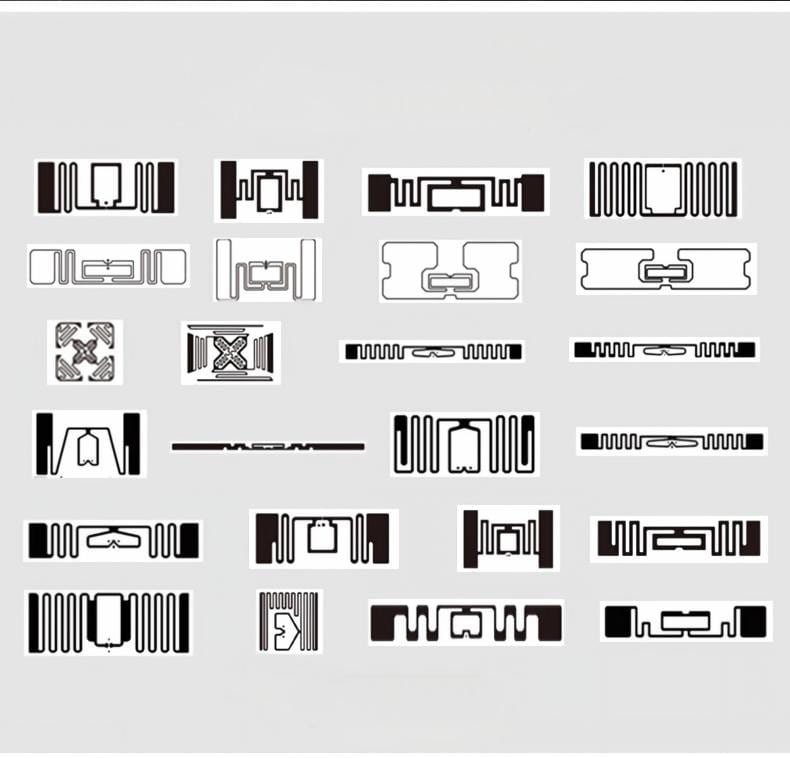
Focused on RAIN RFID and Odoo ERP integration, covering the full R&D chain from chip selection and antenna design to reader firmware and cloud middleware.
RAIN RFID · Odoo ERP full chain
8-hour blind counts · 7% annual shrinkage · 3% mis-shipments — These invisible losses keep draining your net profit year after year.
End-to-end UHF RFID with native Odoo RFID integration: 30-second counts · 99.9% accuracy · 9-month average payback — Turning hidden loss into measurable growth.
home.hero.statSource
Trusted by global standards and leading technology partners
15 years of RAIN RFID expertise engineered into a closed loop from EPC Gen2 V2 tags to Odoo ERP — One accountable partner, zero integration gaps.
01Focused on RAIN RFID and Odoo ERP integration, covering the full R&D chain from chip selection and antenna design to reader firmware and cloud middleware.
 02
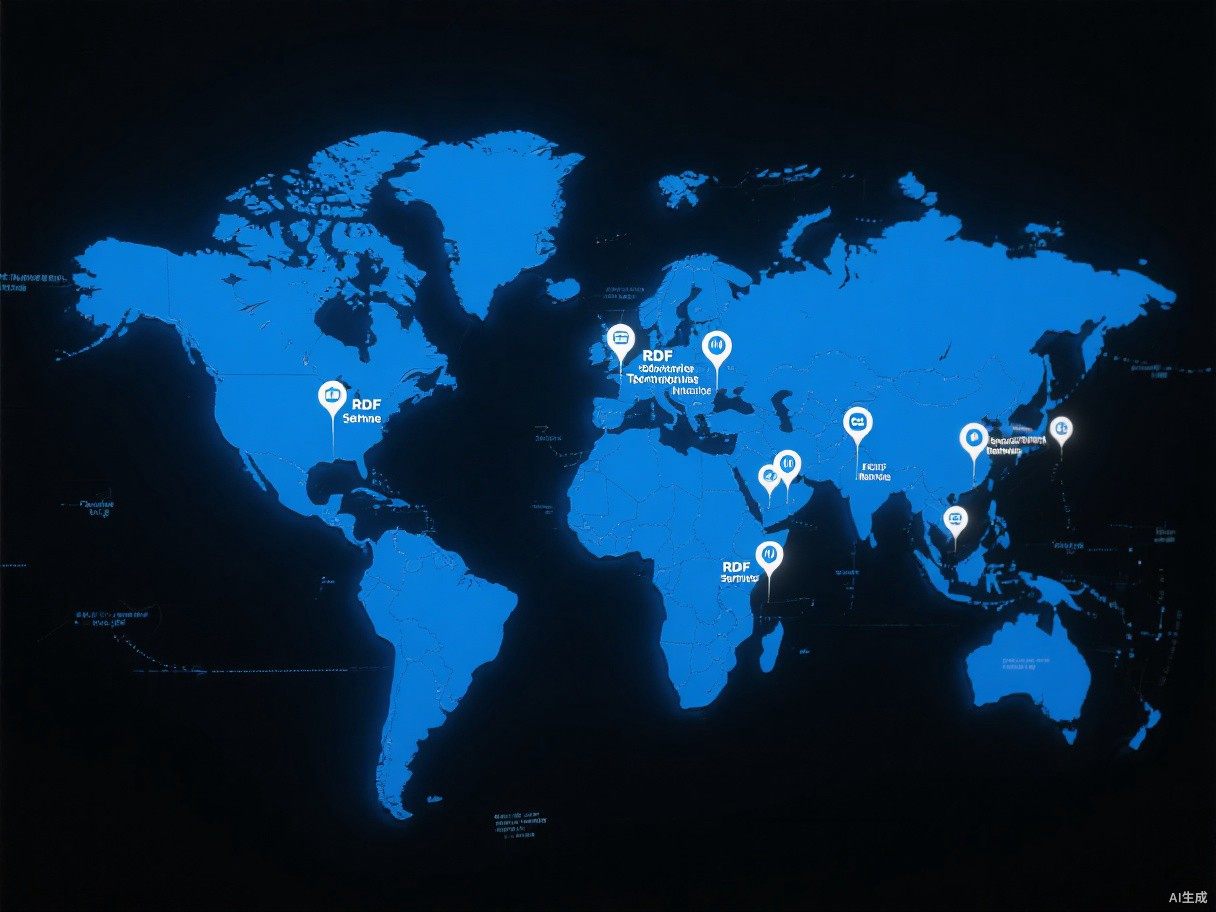
02Delivery and support network across 5 continents, with 6 regional hubs providing 48-hour on-site and 24/7 remote response for reliable large-scale rollouts.
 03
03In-house UHF tags, own-brand readers, self-developed edge middleware and Odoo connector — end-to-end delivery with clear accountability and controlled project risk.
 04
04Member of RAIN RFID Alliance and GS1, ISO 9001 / 27001 certified, deeply aligned with global standards bodies and the Odoo ecosystem.
SpidersRFID solves them end-to-end with integrated RFID + Odoo, closing the data gap from the shop floor to ERP.
Barcode scanning piece-by-piece takes 3-6 hours per batch; vehicles queue and docks congest.
RFID bulk-reads entire pallets in seconds; receiving time cut 85%.
Barcodes need line of sight and one-by-one scans, making 8-hour counts the norm.
UHF RFID reads thousands of SKUs in 30 seconds.
Manual verification misses wrong SKUs and quantities; picking/shipping errors exceed 3%, eroding margin through returns.
RFID auto-validates outbound parcels; errors drop 80%.
High-value items go missing, movements unrecorded, misshipments untraced; annual shrinkage often exceeds 7%, directly hitting net profit.
AI RFID gates track every item; shrinkage reduced 62%.
Stock exists on paper but cannot be found; over-replenishment ties up cash.
Tag data flows into Odoo in seconds; accuracy reaches 99.6%+.
Readers, tags and Odoo do not connect, so investment underperforms.
Native Odoo connector closes the loop in 48 hours.
Slow-moving SKUs are hard to spot, holding warehouse and procurement capital for months; inventory turns stay low.
RFID SKU-level sell-through data flags dead stock automatically; turns up 25%.
T+1 reports hide stockouts and trends; delayed replenishment causes lost sales and slow promo response.
Tag data streams to Odoo ERP in seconds; stockout losses cut 35%.
High-value goods are counterfeited and channel-stuffed across regions; legacy tracing is coarse-grained and hard to evidence.
Unique EPC per item + RFID full-chain traceability flags grey-market diversions in real time.
| Feature | Barcode | RFID |
|---|---|---|
| Reading Performance | ||
| Line of sight required | Required | Not required |
| Read multiple items at once | No | Yes |
| Read range | ~5cm | ~12m |
| Scan speed | 1-2s/item | 100s of items/sec |
| Accuracy & Loss | ||
| Inventory accuracy | ~65-85% | 99.9% |
| Inventory shrinkage rate | ~3-5% | ~0.5% |
| Human error rate | ~4-6% | ~0.1% |
| Sales loss from stockouts | ~8-12% | ~1-2% |
| Cash flow tied up in inventory | High — 30-45d cycle | Low — 7-15d cycle |
| Operational Efficiency | ||
| Data real-time visibility | Batch / end-of-day | Real-time / live |
| Labor required for inventory | 5-8 staff per 10K items | 1-2 staff per 10K items |
| Tag durability | Low | High |
| Data capacity | ~20 chars | 128 Bits |
| Calculate your RFID savings | ||
We use cookies to improve your browsing experience, analyze site traffic and personalize content. Click “Accept All” to consent to all cookies, or choose “Necessary Only”. See our Privacy Policy for more details.