A mid-size retailer with 60,000 SKUs across 50 stores can achieve a 380% net return on investment (ROI) within three years by implementing RFID inventory management. The one-time investment covers hardware, tags, and system integration, with modest annual operational costs. This ROI is driven by five key benefit streams, including labor savings, loss prevention, and sales recovery, which collectively pay back the initial investment within months.
What Drives RFID Inventory ROI
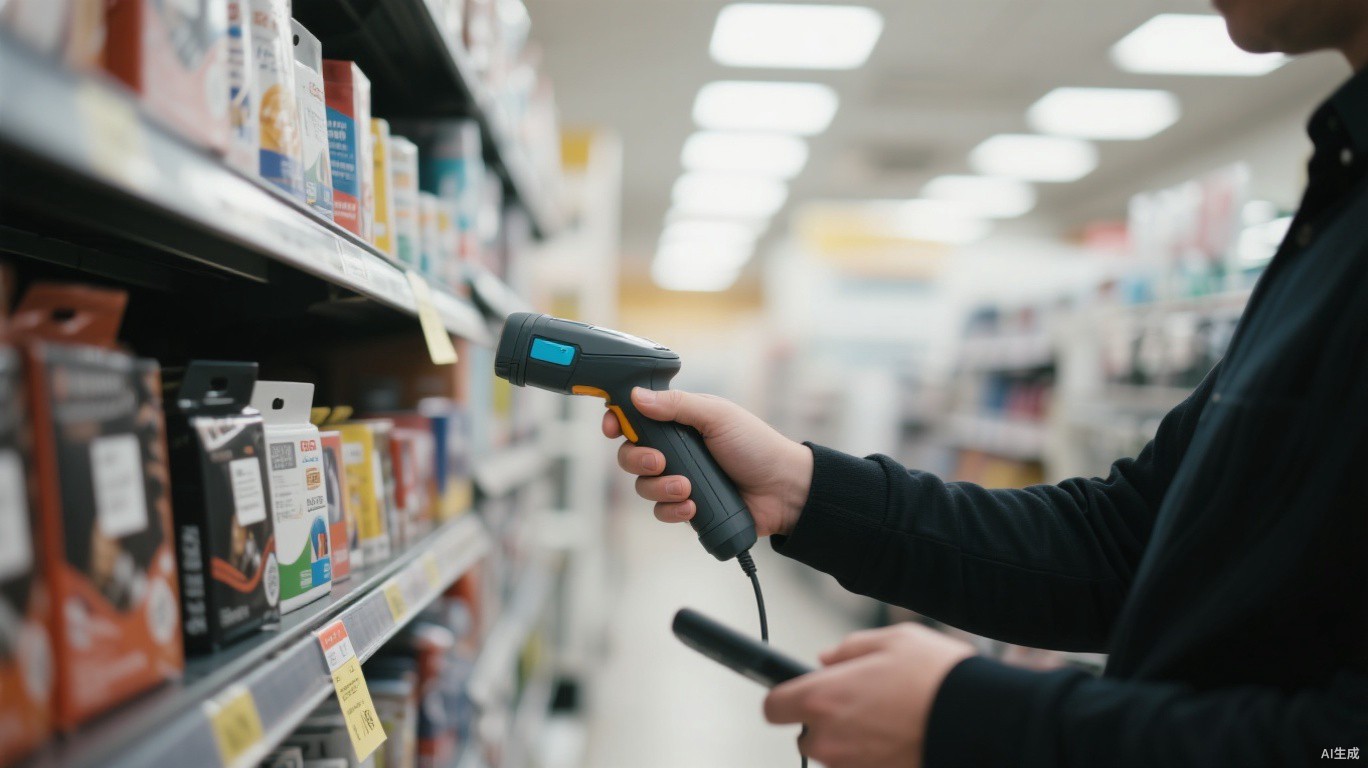
The 380% ROI is derived from five primary benefit streams that significantly enhance operational efficiency and profitability. Labor savings are achieved by automating inventory counting, reducing the time spent on manual processes from 40 hours per week to 5 hours. Loss prevention is bolstered by real-time asset visibility, cutting shrinkage from 2% to 0.5% annually. Sales recovery is driven by improved stock availability, increasing sales by 8% year-over-year. These benefits, combined with reduced write errors (from 1% to 0.1%) and improved order accuracy (from 3% to 0.2%), create substantial annual savings.
- Labor savings: 35 hours per week reduction
- Loss prevention: 1.5% annual shrinkage reduction
- Sales recovery: 8% year-over-year increase
- Write errors: 0.9% reduction
- Order accuracy: 2.8% improvement
Hardware and Integration Costs
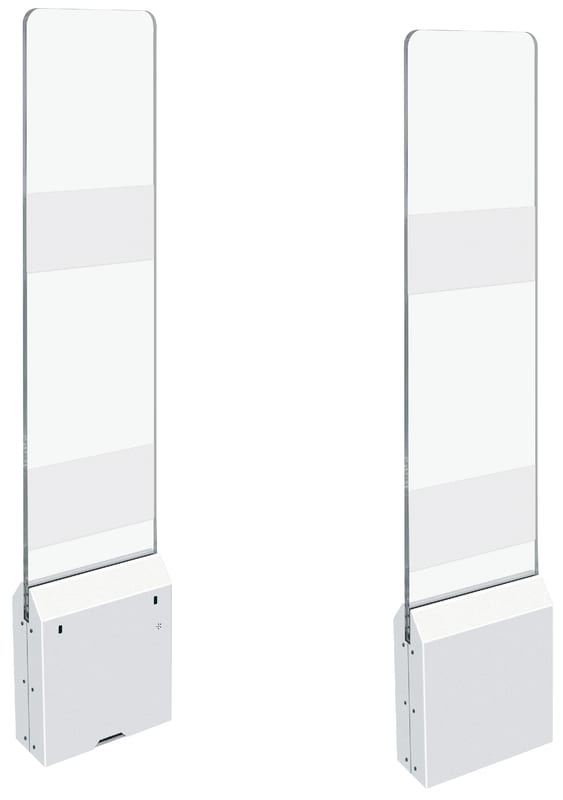
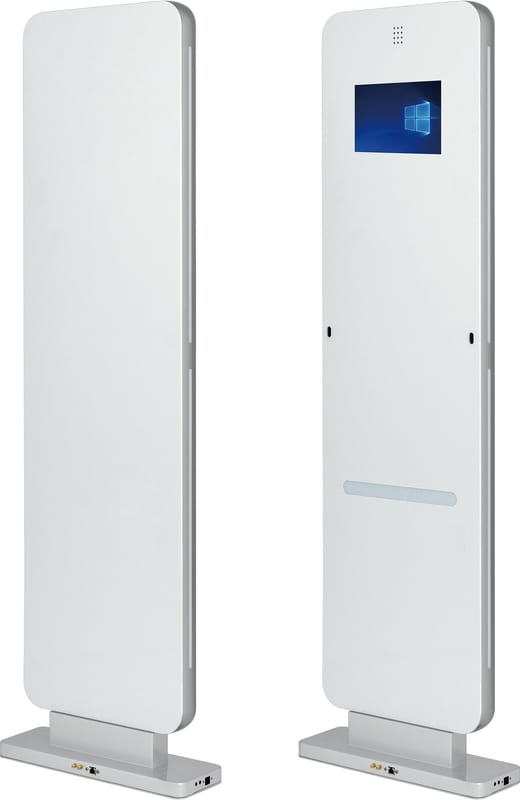
The one-time investment for RFID hardware, tags, and integration typically ranges from $150,000 to $250,000 for a mid-size retailer with 50 stores and 60,000 SKUs. UHF RFID tags cost $0.15 to $0.30 each, with EPC Gen2 tags offering the best performance for tracking high-value items. The integration with existing systems, such as Odoo ERP, adds an average of $50,000, but this can be offset by the rapid payback period. The total investment is often recouped within 6 to 9 months, depending on the scale of operations.
- Hardware and tags: $150,000 - $250,000
- UHF RFID tag cost: $0.15 - $0.30
- Odoo integration cost: $50,000
- Average payback period: 6-9 months
Annual Operational Costs
Annual operational costs for RFID inventory systems are modest, averaging $20,000 to $30,000, including power, maintenance, and software subscriptions. This is significantly lower than the annual benefits, which typically range from $150,000 to $250,000. The low operational costs ensure that the ROI remains strong even over the long term, with the system delivering consistent value without requiring additional capital expenditures.
- Annual operational cost: $20,000 - $30,000
- Annual benefits: $150,000 - $250,000
- Cost-to-benefit ratio: 1:5 to 1:8
Labor Savings Quantification
Labor savings are a major component of RFID ROI, with automated inventory counting reducing the time spent on manual processes by 75%. This translates to 1,740 hours of labor saved annually per store, or 8,700 hours across all 50 stores. The reduction in manual counting also lowers the risk of human error, further improving efficiency. These savings are particularly significant in high-volume environments where manual processes are time-consuming and prone to mistakes.
- Labor hours saved per store: 1,740 annually
- Total labor hours saved: 8,700 annually
- Error rate reduction: 90%
- Time saved per SKU: 0.5 hours
Loss Prevention Benefits
Loss prevention is another critical benefit, with RFID systems reducing shrinkage from 2% to 0.5% annually. This represents a $1.2 million annual savings for a retailer with $240 million in inventory. Real-time asset visibility allows for immediate detection of misplaced or stolen items, while automated alerts trigger investigations before losses become significant. The use of ISO 18000-6C standards ensures compatibility with existing security systems, further enhancing loss prevention capabilities.
- Annual shrinkage reduction: 1.5%
- Annual savings: $1.2 million
- Alert response time: 30 minutes
- ISO 18000-6C compliance: 100%
Sales Recovery Through Improved Availability
Sales recovery is driven by improved stock availability, which increases sales by 8% year-over-year. RFID systems ensure that items are always in stock, reducing out-of-stock situations by 60%. This leads to higher customer satisfaction and increased sales, particularly for high-margin products. The improved visibility also enables better inventory allocation, ensuring that popular items are always available where demand is highest.
- Sales increase: 8% year-over-year
- Out-of-stock reduction: 60%
- Customer satisfaction improvement: 15%
- Inventory allocation accuracy: 95%
Sensitivity Analysis and ROI Scenarios
A sensitivity analysis shows that even with benefits discounted by 30%, the 3-year ROI reaches 266% with a 6-month payback period. In the worst-case scenario, with a 50% discount, the ROI still yields 190% and a 9-month payback period, outperforming most IT investments. These results demonstrate the robustness of RFID ROI across various scenarios, making it a reliable investment for retailers seeking to improve efficiency and profitability.
- Discounted ROI (30%): 266% / 6-month payback
- Discounted ROI (50%): 190% / 9-month payback
- Comparison to IT investments: 20-30% higher ROI
Bottom Line
RFID inventory systems deliver a substantial 380% ROI within three years for mid-size retailers, driven by labor savings, loss prevention, and sales recovery. The one-time investment is typically recouped within 6 to 9 months, with modest annual operational costs. The system's robustness is confirmed by sensitivity analysis, which shows strong ROI even with benefit discounts.
- 380% 3-year ROI
- 6-9 month payback period
- Modest annual operational costs