Food safety regulators increasingly ask for the same thing: when a problem is found, identify the affected product in hours rather than weeks, and prove where it went. Brand owners ask for something else: prove that the bottle on the shelf is genuinely ours. These two requirements sound like one project and are not. Confusing them is the most common reason food RFID programmes stall after the pilot.
Two problems that get sold as one
- Traceability is about a chain of custody across batches: farm or plant, lot, transformation, distribution, store. Its unit is the batch, its output is a data record, and its value is measured in recall speed.
- Anti-counterfeiting is about the authenticity of an individual unit: is this bottle the one we filled, or a refill? Its unit is the item, its output is an identity check, and its value is measured in diverted revenue and brand damage.
A lot-level system cannot answer an item-level question, and an item-level system costs far more than a lot-level one. Decide which question you are actually being asked, then size the system to it.
The regulatory landscape, briefly
- The EU general food law requires one step back and one step forward traceability, and the Implementing Regulation on high-risk foods adds specificity on what a lot record must contain.
- The US Food Safety Modernization Act, and its traceability rule for certain food categories, pushes towards lot-level records that can be produced quickly in electronic form.
- China's food safety law and its traceability platforms push towards item-level codes for infant formula, dairy and some imported categories, which is a stricter requirement than most Western markets impose.
- Retailer specifications are often stricter than the law: a supermarket chain may demand lot-level data on every delivery as a condition of listing.
The practical implication: build to the strictest requirement you can reasonably expect in the next three years, not to the weakest one currently enforced.
Where RFID beats a printed code
RFID is not automatically better. It wins in specific conditions.
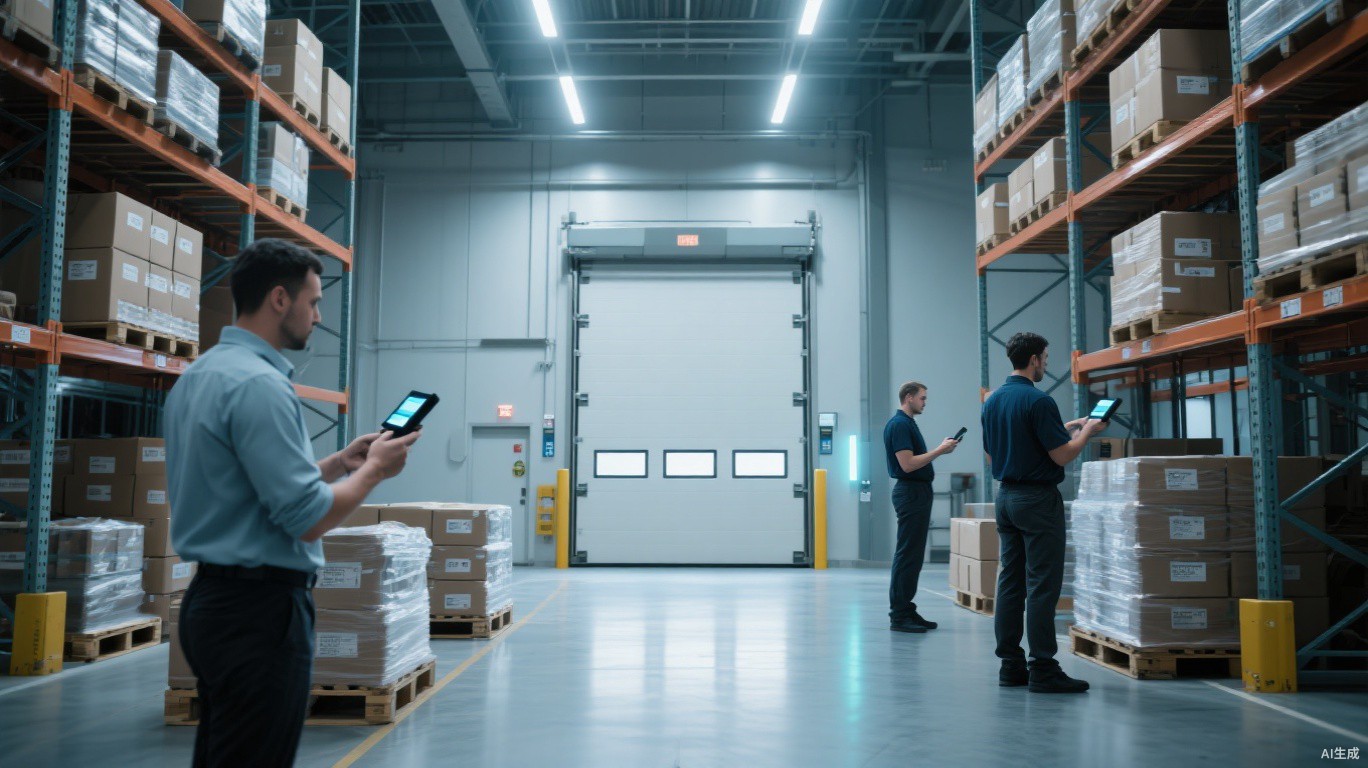
- Bulk reading: a pallet of 60 cases in a dock doorway, read in one pass, instead of 60 manual scans under time pressure.
- Harsh environments: condensation, frost, flour dust, washdown. A laser scanner needs a clean, flat, visible label; a UHF tag on the case needs neither.
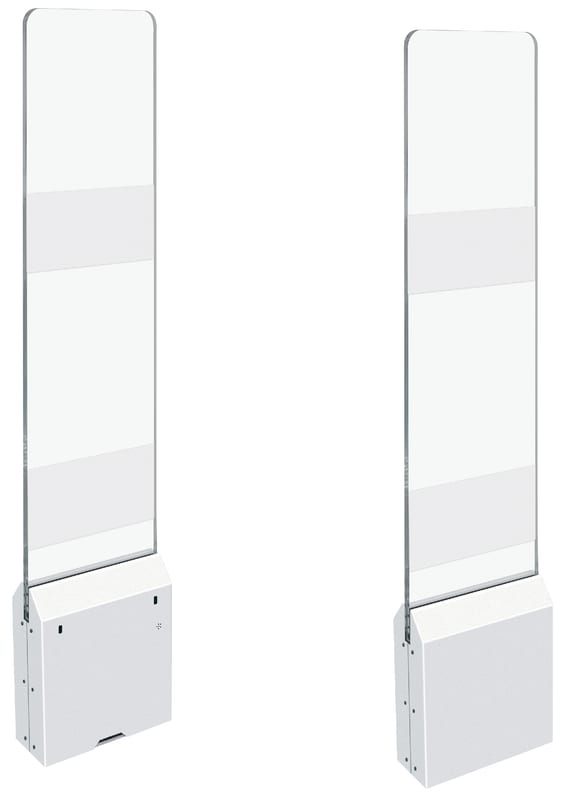
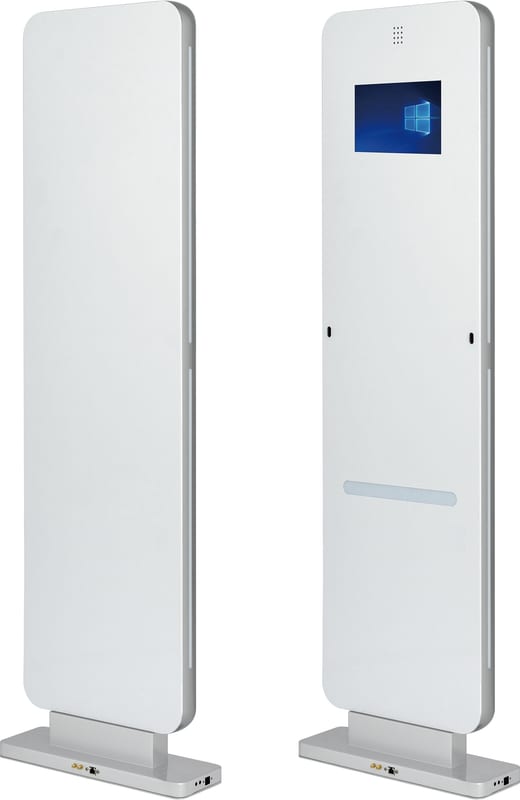
- Automated checkpoints: a conveyor, a forklift portal, a cold-room door, a returnable container loop.
- Anti-counterfeiting, where a tag's unique TID and a cryptographic challenge cannot be copied the way a printed QR code can.
- Returnable transit items: crates, trays, bins, kegs, which are tagged once and read thousands of times.
It loses to a printed code when the item is cheap, the volume is low, the label would be damaged, or every participant in the chain needs to read it with a phone.
Tag selection for food environments
- Cold chain: standard inlays often become brittle at minus 25 degrees and their adhesive fails on condensation. Specify cold-grade adhesive and test at temperature, not at room temperature.
- Metal packaging: cans, tins, foil-lidded trays. Use on-metal tags or a spacer; a standard label on a can reads at centimetres.
- Liquid: water and high-moisture products absorb UHF energy. A tag on a bottle of water reads poorly; a tag on the outer case reads well. Tag the case, not the bottle.
- Microwave and metal detection: a UHF inlay in a food package that passes through a metal detector will be flagged if it is not metal-detectable. Use dual-purpose inlays or place the tag where it can be removed.
- Washdown and hygiene: stainless enclosures and IP-rated tags at the point of use, with a mounting method that survives daily cleaning.
Lot level versus item level: the economic decision
- Lot level: one tag per pallet or case, a data model built on batch numbers, and a system cost that is dominated by integration rather than by tags.
- Item level: one tag per unit, a serialisation programme, a printing and applying capability at line speed, and a data volume that requires a real EPCIS platform.
- The cost difference is not a factor of two. Item-level programmes carry printing, application, verification, exception handling and consumer-facing infrastructure, and the tag cost stops being the main line.
- In practice, item level is justified for high-value, high-counterfeit-risk categories: infant formula, premium liquor, olive oil, supplements, branded seafood. It is rarely justified for fresh produce sold by weight.
Anti-counterfeiting: what a tag can actually prove
- A UHF TID is factory-programmed and hard to clone, which raises the cost of forgery but does not make it impossible.
- A cryptographic tag with a challenge-response protocol, such as those built on ISO 29167, can prove that a tag was issued by you — provided the verifier has your key infrastructure.
- The weak point is always the verification path, not the tag. If any phone can query the tag and read back a static ID, the counterfeiters will copy the ID.
- Consumer verification flows must be designed to resist replay: one-time codes, rate limiting, and a clear answer when the check fails.
Data architecture: EPCIS is not optional at scale
- EPCIS gives you a standard vocabulary for events: commissioning, aggregation, observation, shipping, receiving.
- Aggregation matters more than most teams expect: knowing which cases are in which pallet is what makes a recall narrow rather than total.
- Store the lot number, the harvest or production date, and the transformation event. A chain of custody without transformation records is a chain of guesses.
- Keep the EPCIS repository independent of any one retailer's portal, so that a change of customer does not mean a rebuild.
Pilots and the pitfalls that follow
- Pilot on one product line and one distribution route, with a real, if small, recall rehearsal at the end.
- Measure the cost per case of tagging, including labour, not just the tag price.
- Test the dock doorway with a full pallet, at the actual speed of a forklift, not with ten cases on a bench.
- Agree the exception process with the distributor before go-live; the first misread will otherwise be resolved by a phone call nobody records.
- Do not promise item-level to a customer unless you have costed the serialisation line, not just the tags.
A food traceability project that is measured by tag count is a procurement exercise. One that is measured by the time to answer a recall question, and by the number of cases a recall actually touches, is a safety system.