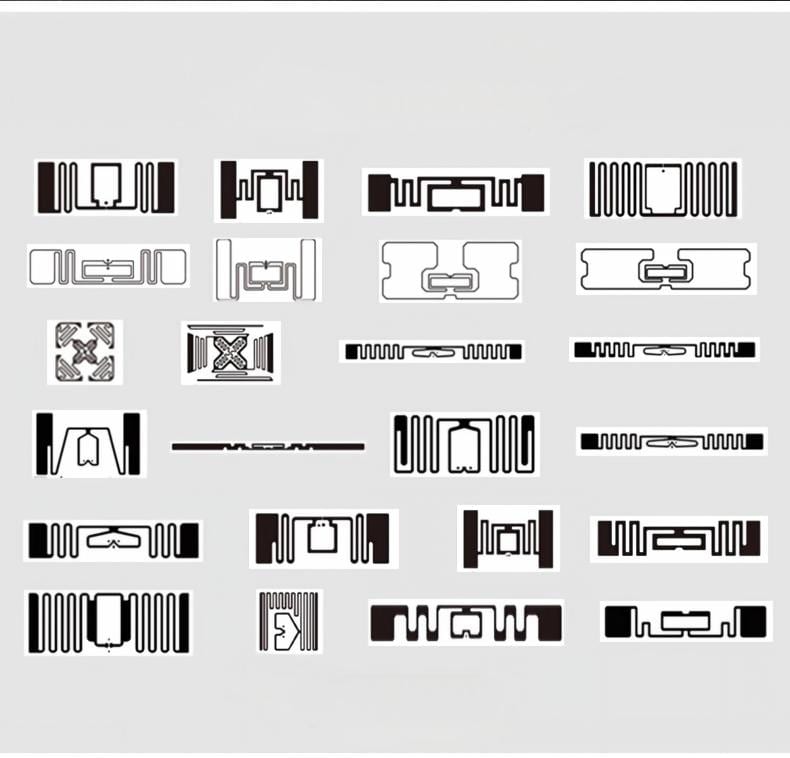
A site installs its tenth reader and performance collapses. The tags did not change, the software did not change, and everybody blames the tags. What changed is that the air now carries ten transmitters that were never planned as a system.
Why dense readers interfere
Interference in a dense deployment is three distinct problems wearing one name.
- Reader-to-reader: one reader's carrier sits on the channel another reader is trying to listen to.
- Tag-to-tag: two tags too close together fail to resolve their backscatter reliably.
- Reader-to-tag: an adjacent reader's signal captures the tag's attention at the wrong moment.
- All three get worse as readers are added, and all three are invisible in single-reader testing.
- The symptom is always the same: read rate falls, and it falls unevenly, which makes it look random.
The physics, in numbers you can use
You do not need a spectrum analyser to reason about this, but you do need three numbers.
- Channel spacing in the UHF band is typically 200 kHz or 250 kHz, and adjacent-channel leakage is the dominant coupling path.
- Reader output power of 30 dBm plus antenna gain produces fields that overlap far beyond the intended read zone.
- Co-channel reuse distance depends on walls, racking and stock; in a metal warehouse, reflections extend it considerably.
- Polarisation loss between a linear reader antenna and a randomly oriented tag can be 3 dB or more, which stacks on top of interference.
- Duty cycle matters as much as power: a reader transmitting 10 percent of the time contributes 10 percent of the interference.
Dense Reader Mode and the alternative
Dense Reader Mode is a protocol feature, not a site plan, and it is often oversold.
- DRM separates the transmit and receive channels so a reader does not listen while transmitting, which helps dramatically in dense sites.
- It costs throughput per reader, since each reader spends time not listening to tags.
- Listen-before-talk is the regulatory approach in some regions and achieves similar coexistence by different means.
- Mixing readers from vendors with different DRM behaviour is legal and common, and it is also how plans quietly fail.
- Verify that every reader in the plan actually has DRM enabled and configured identically; defaults differ.
Channel plans for multi-reader sites
A channel plan is a document, and it should be reviewed before the first antenna is mounted.
- Assign channels by geometric zone, not by reader serial number, so replacements inherit the plan.
- Keep a reuse distance of at least two aisles where possible, and never place two readers on adjacent channels facing each other.
- Reserve one channel for handhelds and test equipment, so commissioning does not disturb production readers.
- In regions with frequency hopping, fix the hop set per reader and check for overlap between neighbours.
- Document the plan with a floor drawing and a channel table; verbal plans do not survive staff turnover.
Antenna placement and the shadowing trick
Geometry removes more interference than any configuration parameter.
- Aim antennas along the aisle, not across it, so the field follows the stock instead of crossing into the neighbour zone.
- Use the racking itself as a shield; a steel upright between two zones is free attenuation.
- Lower the antenna height and tilt down, so the main lobe stays inside the intended zone.
- Reduce power until the zone still works, then keep that setting; margin that is not needed is interference you are donating.
- Separate readers physically as far as the process allows, because path loss is the cheapest attenuator.
Power, duty cycle and scheduling
The most underused lever is time.
- If two readers do not need to read simultaneously, schedule them in alternating windows instead of reducing power.
- Lower duty cycle on readers that only need to catch pallets at a door, and run continuous mode only where required.
- Use inventory rounds with defined start and stop, rather than leaving readers transmitting all day.
- Reduce power per antenna and add antennas where coverage is weak; a narrow zone beats a powerful one.
- Measure the effect of each change on read rate and on the neighbour's read rate, one variable at a time.
Measuring interference instead of guessing
Commissioning without measurement is how a site ends up with ten readers and a support ticket.
- Log reads per antenna per minute at each reader, with all readers running, and compare with the single-reader baseline.
- Walk a test tag through the boundary between zones and record where reads are lost.
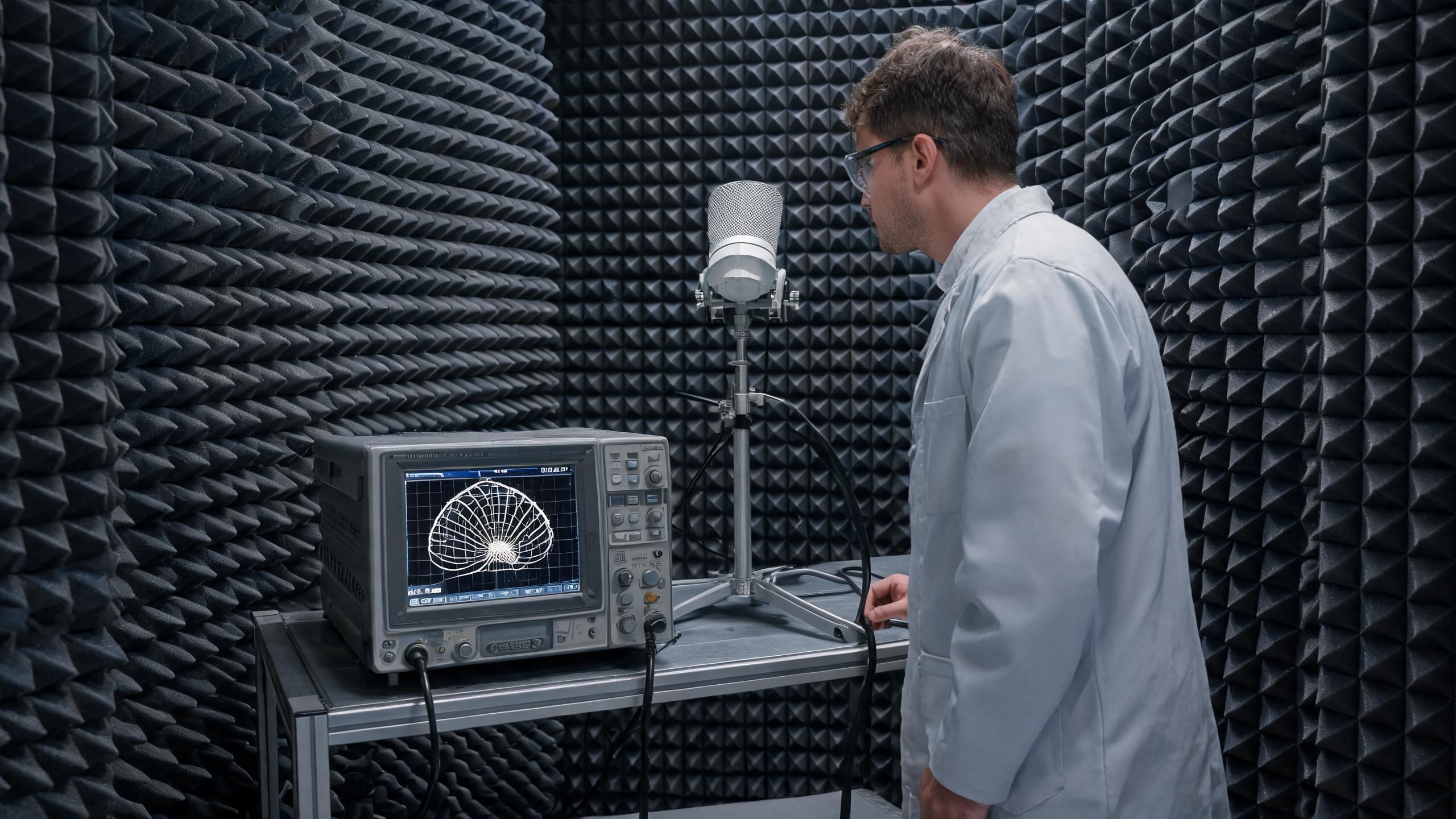
- Check the noise floor with readers idle and with readers active, using a spectrum analyser if one is available.
- Test with the stock present; an empty warehouse has very different propagation from a full one.
- Repeat the measurement at peak throughput, because interference scales with activity.
A commissioning checklist
The order matters, because each step depends on the previous one.
- Confirm regulatory region and channel set per reader before mounting anything.
- Measure single-reader read rate per zone and record it as the baseline.
- Mount antennas, then re-measure each zone with all readers powered but idle.
- Enable DRM or the regional coexistence mechanism, then measure again with all readers active.
- Apply power reduction and scheduling, then measure both the zone and its neighbours.
- Freeze the configuration into a site profile, and store it with the floor plan and channel table.
The last item is what makes the deployment repeatable. Without it, the next site inherits a working installation and none of the knowledge that made it work, and the eleventh reader becomes another collapse.
One habit ties the whole method together: change one variable, measure two readers, write down the result. Interference work is unglamorous and slow, but the alternative is a site that limps at seventy percent and a maintenance team that spends its year swapping perfectly healthy hardware.