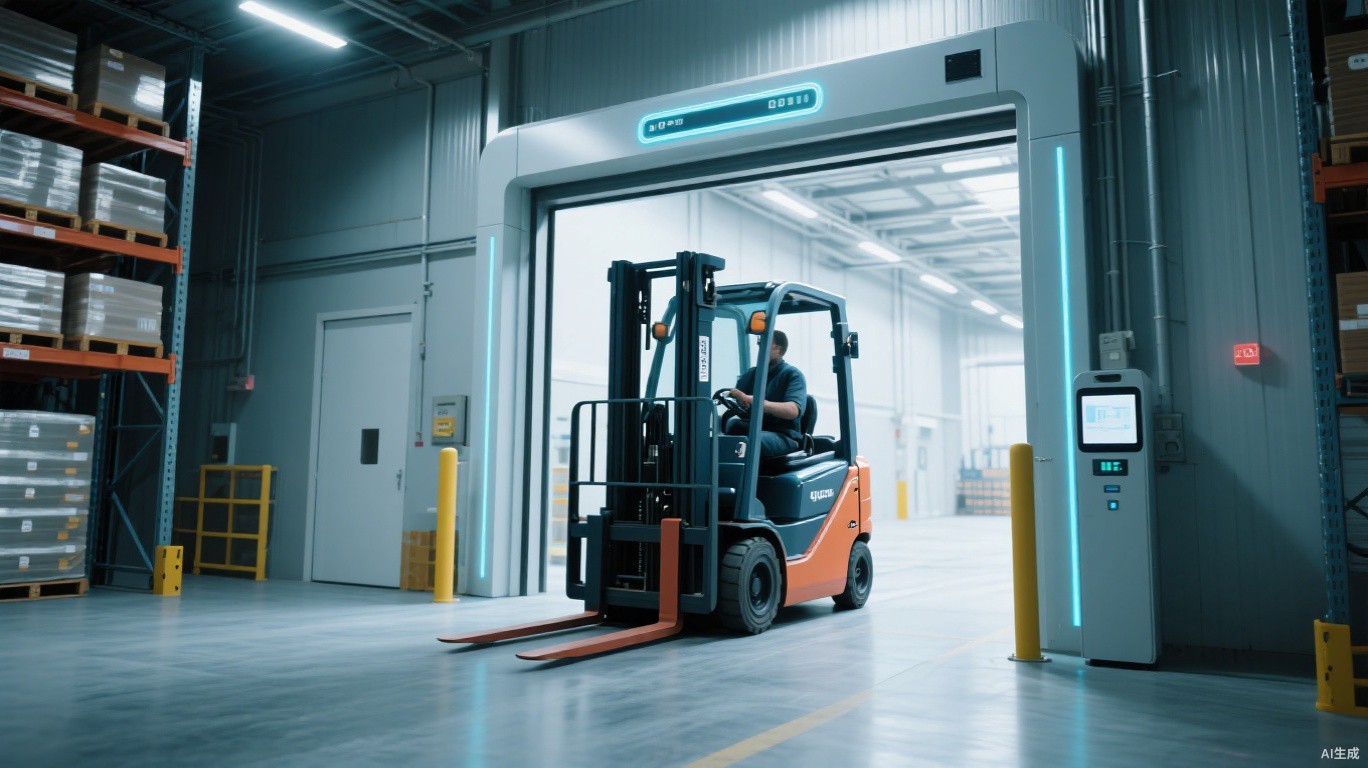
On a substation job, a hydraulic crimper costs more than the van that carries it, and it can still vanish for three weeks. The paper log looks like it covers this: someone signed a name and took the tool out. What the log actually records is intent, not custody.
That distinction decides whether an RFID project changes anything.
The paper log records intent, not custody
A loan register is a diary of good intentions, and it fails in predictable places.
- A signature proves a name was written; it does not prove the tool left the store.
- Tools move between crews, vans and sites without a second signature.
- Loss is usually discovered at project close, when the trail is already cold.
- An auditor asks who held the tool last Tuesday; the log offers a blurred line.
- The real cost is not the replacement, it is the crew idle while nobody finds it.
Model the lifecycle before buying hardware
The cabinet is the easy purchase; the state model is the part that makes it work.
- Define states: in store, issued, in use, in transit, under inspection, in repair, retired, missing.
- Every transition carries a person, an asset, a time and a place.
- Issued and returned are not symmetric: inspection sits between them.
- Missing is a state, not the absence of a state, or nobody owns the follow-up.
- Kits and shared custody exist, so allow more than one holder with a defined lead.
A tool cabinet is a radio problem, not furniture
Steel tools inside a steel box detune antennas, and no purchase order fixes that.
- Metal absorbs and reflects UHF energy; read zones must be tuned on site, not assumed.
- You do not need a perfect read rate, you need a perfect transaction completion rate.
- Shielded compartments give shelf-level truth instead of one optimistic total.
- Door sensors and light curtains turn a tag sighting into proof of movement.
- Plastic-bodied battery tools read easily; solid steel jigs and cable drums do not.
Tag selection for tools that get dropped
The tag has to survive the environment the tool works in, not the showroom.
- Use on-metal UHF tags with a foam spacer so the antenna keeps its tuning against steel.
- Embed the tag in the housing or a moulded holder, never on a moving jaw or a hot surface.
- Choose ceramic or rugged ABS where impact, oil and grinding dust are routine.
- Tag the kit as well as the case, because a case tag hides the tool that is missing inside.
- Print a human-readable asset number beside the tag for the day the reader fails.
Bind tag identity to asset identity, permanently
An EPC identifies a label, and labels get replaced; the tool does not.
- Store the binding explicitly: asset number, tag EPC, binding date and reason.
- Re-tagging is normal after damage; keep the old binding so history stays continuous.
- Encode a category prefix and a check digit so a misread is detectable at the door.
- Verify every write at issue time, because an unverified write becomes a ghost asset.
- When a tag fails, merge the records; never let the tool reappear as a new asset.
Design the transaction, not the notification
Teams tolerate tracking when the record is created where the work happens.
- The loan record needs person, asset, time out, due time, project and condition out.
- The return record adds condition in, inspection result and consumables used.
- Capture the transaction at the cabinet, not from memory in the office on Friday.
- Make the due date a policy value - a shift, a project phase, a number of days - not free text.
- Keep an immutable event log and treat current status as a projection of those events.
Condition and calibration are part of custody
A tool that comes back broken was never really returned.
- Grade condition at return as good, worn or damaged, so loss becomes maintainable data.
- Torque wrenches and insulation testers carry calibration dates; block issue when expired.
- Inspection intervals belong to the asset category, and they should be enforced by the system.
- Link consumables such as blades, bits and gas to the loan, so cost follows the job.
- A damaged return should raise a repair order, not a free-text comment nobody reads.
Accountability without slowing the crew
If issuing a tool takes a minute, people will route around the system within a week.
- Target a two-second issue: badge, scan, confirm; nothing else in the normal path.
- Give supervisors an override with a reason code, and log every use of it.
- Treat shift handover as a transfer of custody, not as a fresh issue.
- Escalate overdue tools to the crew lead first; finance is the last audience, not the first.
- Publish who holds what, because visible ownership does more than any reminder email.
The metrics that justify the programme
Report four numbers consistently and the business case writes itself.
- Loss rate: tools written off per hundred issued per year, by category.
- Utilisation: hours out against hours available, which exposes over-buying.
- Turnaround: time from return to available on the shelf.
- Overdue rate and mean overdue days, which correlate with future losses.
- Audit closure time: how long it takes to answer who has the crimper right now.
Deployments that tag comprehensively commonly report loss falling from high single digits to below one percent within two quarters, and the biggest early gain is usually found-tools rather than fewer thefts.
Rollout order and the failures to expect
Sequence the pilot so the mistakes are cheap and visible.
- Tag and verify every tool before the cabinet goes live; half-tagged stock destroys trust.
- Pilot one cabinet with one crew for four weeks, and keep manual spot counts as a referee.
- Expect ghost reads at the start and tune power, shielding and antenna placement accordingly.
- Expect silent returns: tools placed back without a transaction, detectable only through door events.
- Train exception handling explicitly, because the normal path explains itself in ten seconds.