Omnichannel retail is usually described as a customer experience strategy. Operationally it is an inventory accuracy strategy with a marketing cover. Every promise made online is a promise about a physical unit in a specific place, and the system either knows that or it does not.
The failure is the last unit, not the last mile
Delivery logistics are solved; unit-level truth is not.
- A promise to deliver in two days is easy; a promise to have it on the shelf in an hour is hard.
- The failure mode is not a late truck, it is a "phantom unit" that existed only in the database.
- One phantom unit cancels one order and creates one disappointed customer who tells other people.
- The cost of a cancellation is not the lost margin; it is the pickup trip and the trust.
- Accuracy at 95 percent sounds good and means one order in twenty is at risk.
Accuracy is a number with a timestamp
An accuracy figure without a date is a memory, not a measurement.
- Quote accuracy as "percentage of SKUs with zero variance at a stated time", not as a vague average.
- A store that was 98 percent accurate last quarter may be 88 percent after a busy weekend.
- Unit accuracy and value accuracy differ, and the customer promise depends on unit accuracy.
- Small-ticket, high-count items are where phantom units accumulate.
- Report accuracy per location and per category, because a single blended number hides the failures.
BOPIS: the promise made at checkout
Buy-online-pick-up-in-store is a three-part commitment, and each part can fail.
- Availability at the moment of the order: the unit must exist and be findable.
- Pickability within the promised window: staff must locate it before the customer arrives.
- Handover at the desk: the correct order must reach the correct person.
- The most common failure is the first, and it is invisible until someone walks in.
- Reserve logic must hold the unit against other orders, or two customers are promised the same item.
The store as a fulfilment node
Once a store ships orders, its inventory stops being a display and becomes a warehouse.
- Picking paths, pack stations and carrier cut-off times are warehouse concepts that arrive unannounced.
- Store staff have customer-facing duties, so picking must fit between them.
- A store that cannot find an item in five minutes should not be in the ship-from-store network.
- Reserve stock in the back room needs its own accuracy discipline, separate from the sales floor.
- Capacity limits should be explicit; a store shipping forty orders a day needs space, not goodwill.
The reserve stock problem
Back rooms are where accuracy goes to die quietly.
- Reserve stock is high-density, low-visibility and rarely counted.
- Cartons are received, stacked and recorded by quantity, not by unit.
- An item that is in the back room but recorded as on the floor is effectively lost.
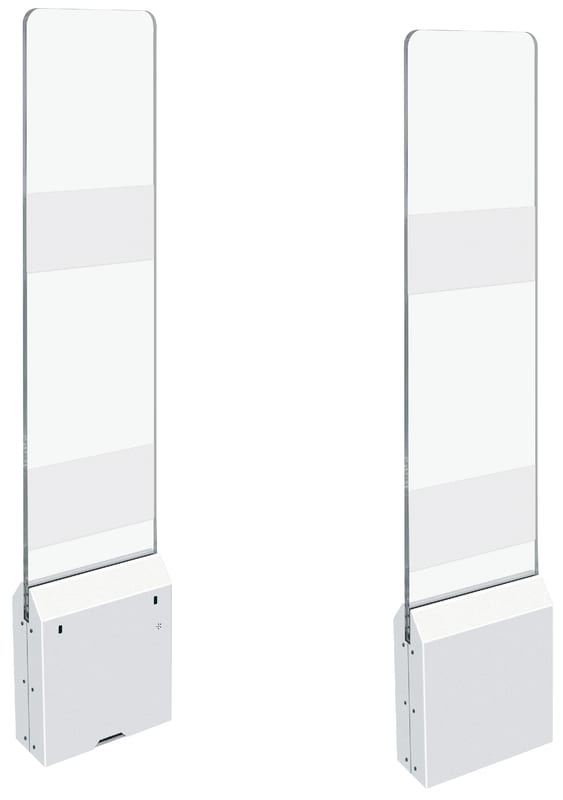
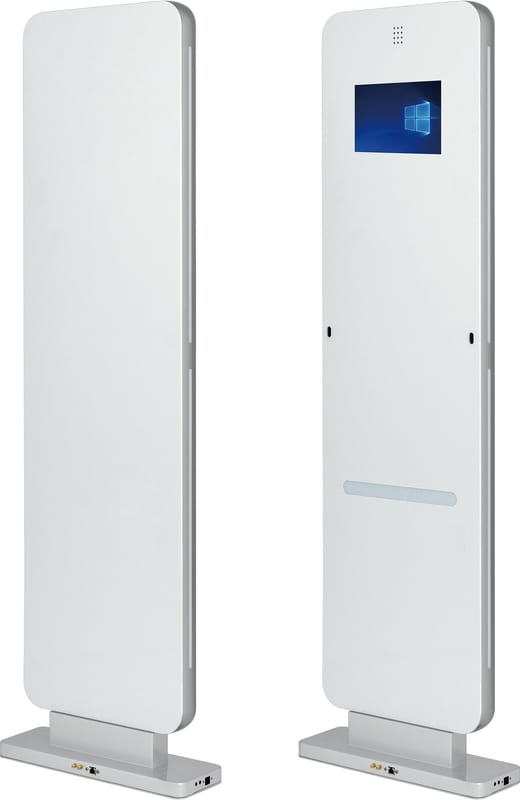
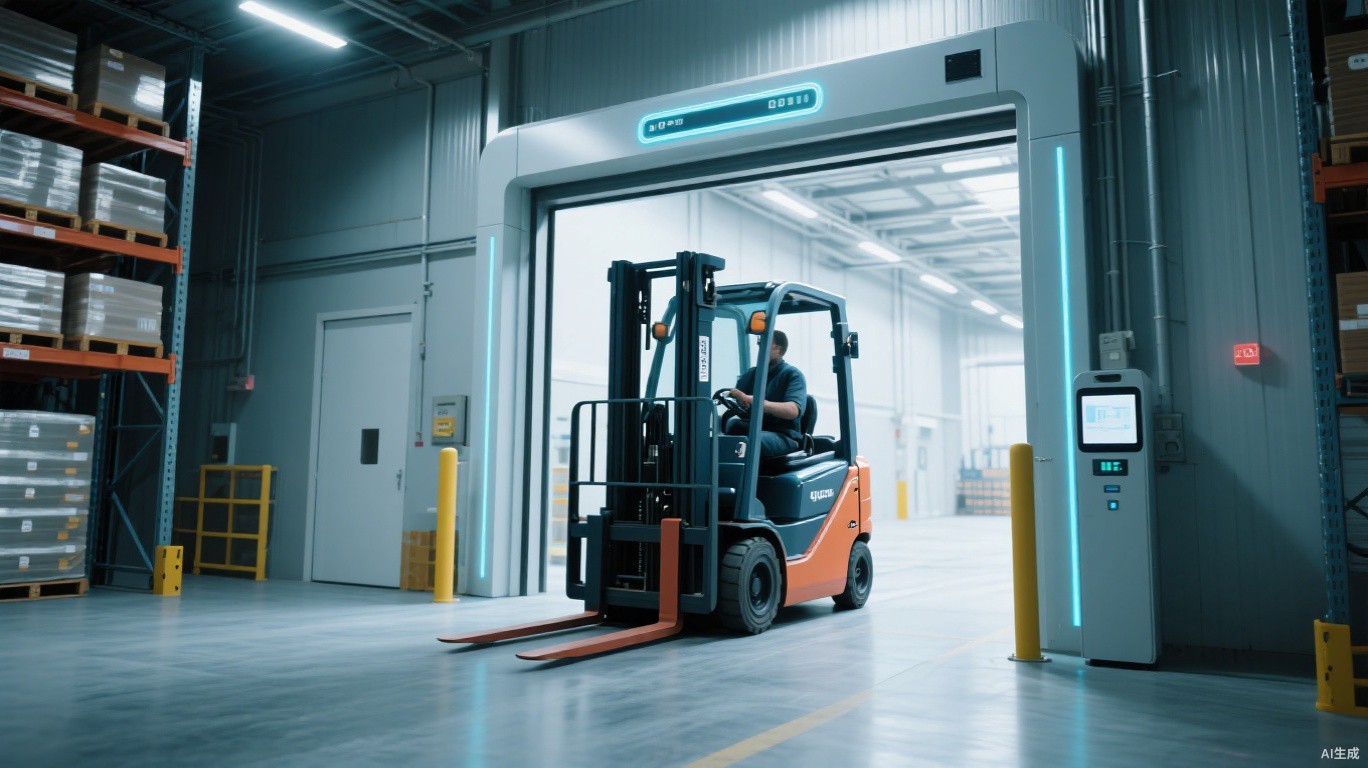
- RFID read points at the back-room door catch the movement between zones.
- Count the reserve separately, and reconcile it against the floor before trusting total availability.
Ship-from-store and the pick path
The pick is the moment where inventory truth becomes a customer outcome.
- The pick list should be ordered by physical location, not by order line sequence.
- A missing item must trigger an immediate, recorded exception, not a silent substitution.
- Partial shipments damage trust more than a delayed shipment, so decide the policy in advance.
- Pick confirmation should remove the unit from availability at once, not at dispatch.
- Measure pick time per order and cancellation reason per store; they predict customer experience.
Cycle counting without stopping the store
Continuous counting is the only way to keep accuracy high in a live store.
- Count a small rotation daily rather than a full count quarterly.
- Count by exception: high-value, high-velocity, and items with recent negative adjustments.
- Count where the reader is, so counting does not require closing the department.
- Compare counted against recorded, and investigate the variance, not just correct it.
- Track the trend of accuracy; a slow decline is easier to fix than a sudden collapse.
Returns and the reverse flow
Returns are inventory events, and treating them as paperwork is the classic mistake.
- A returned item must be inspected, restocked and made available again, or written off.
- Restocking lag is invisible in the system and very visible to the next customer.
- Items returned to the wrong store distort both stores' availability.
- Reverse logistics without RFID creates a class of items that exist in neither location.
- Publish the restock lag as a metric; it is usually measured in days and should be hours.
What Odoo needs to hold
The ERP must express availability as a promise, not as a count.
- Stock by location, including floor, back room, in transit and reserved.
- Reservation records with an owner and an expiry, so a stuck reservation does not block a sale.
- An availability service that answers "can this store fulfil this order now" quickly.
- Item-level serial or EPC tracking where the promise depends on a specific unit.
- An audit trail for every adjustment, because accuracy debates are settled by history.
The exception is the product
Handle the exceptions deliberately and the promise survives.
- A not-found item should generate a task with an owner and a deadline, not a status change.
- The customer should be told quickly, with an alternative, rather than late with an apology.
- Repeated not-found at the same location is a process defect, not bad luck.
- Exception rates by store, by shift and by category tell you where to invest.
- A visible exception log changes behaviour faster than any training programme.
Metrics that describe the promise
Measure what the customer experiences, not what the dashboard finds convenient.
- Order cancellation rate due to unavailable stock.
- Pick time from order release to ready-for-pickup.
- Inventory accuracy by location, measured on a stated cadence.
- Restock lag for returns, in hours rather than days.
- Share of orders fulfilled from the store that would otherwise have been lost.