معظم دراسات جدوى RFID تفشل في جدول الحساب لا في التقنية. تضع الفرق كامل فاتورة الأجهزة في السنة الأولى، ثم تسجل مكسبًا غامضًا في الكفاءة لا تستطيع الإدارة المالية تدقيقه. تبدو فترة الاسترداد مبهرة، ولا أحد في القاعة يصدقها.
الحل ليس عرضًا تقديميًا أفضل، بل نمذجة المستودع كسلسلة أحداث — استلام، تخزين، تزويد، التقاط، تعبئة، شحن، جرد — مع ربط تكلفة قابلة للقياس ونسبة خطأ بكل حدث. عندها يصبح العائد عملية حسابية على أرقام يملكها فريق العمليات أصلًا، وهذا تحديدًا ما يجعله قابلًا للدفاع.
ما الذي يجب أن يقع على جانب التكلفة؟
قسّم التكلفة إلى ثلاث طبقات لأن سلوكها الزمني مختلف: نفقات رأسمالية لمرة واحدة، وخدمات لمرة واحدة، ونفقات متكررة. خلط الثلاث في رقم واحد هو الخطأ الأكثر شيوعًا في النمذجة.
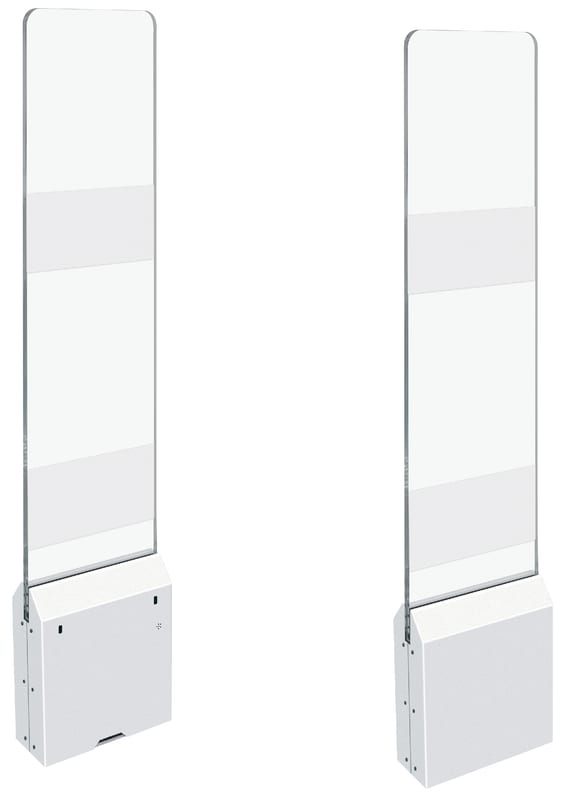
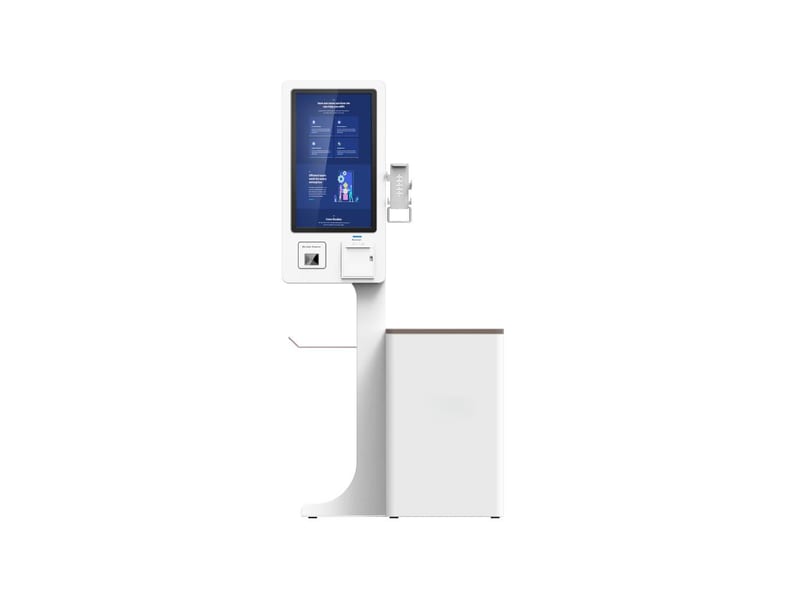
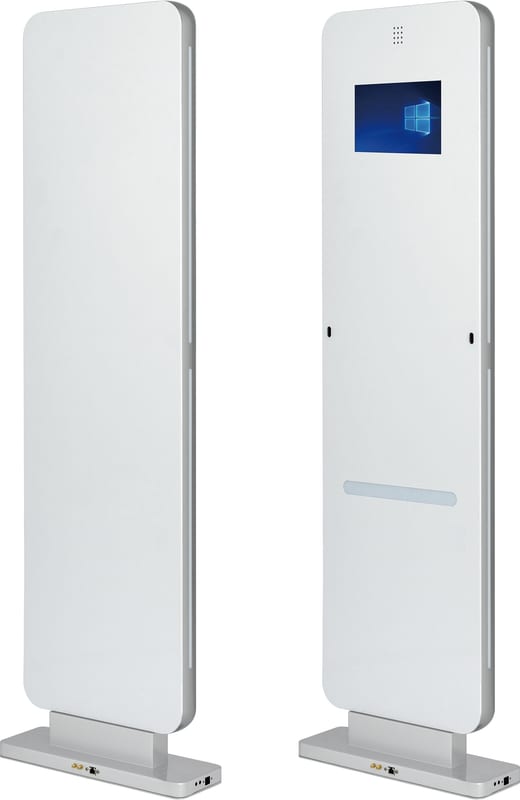
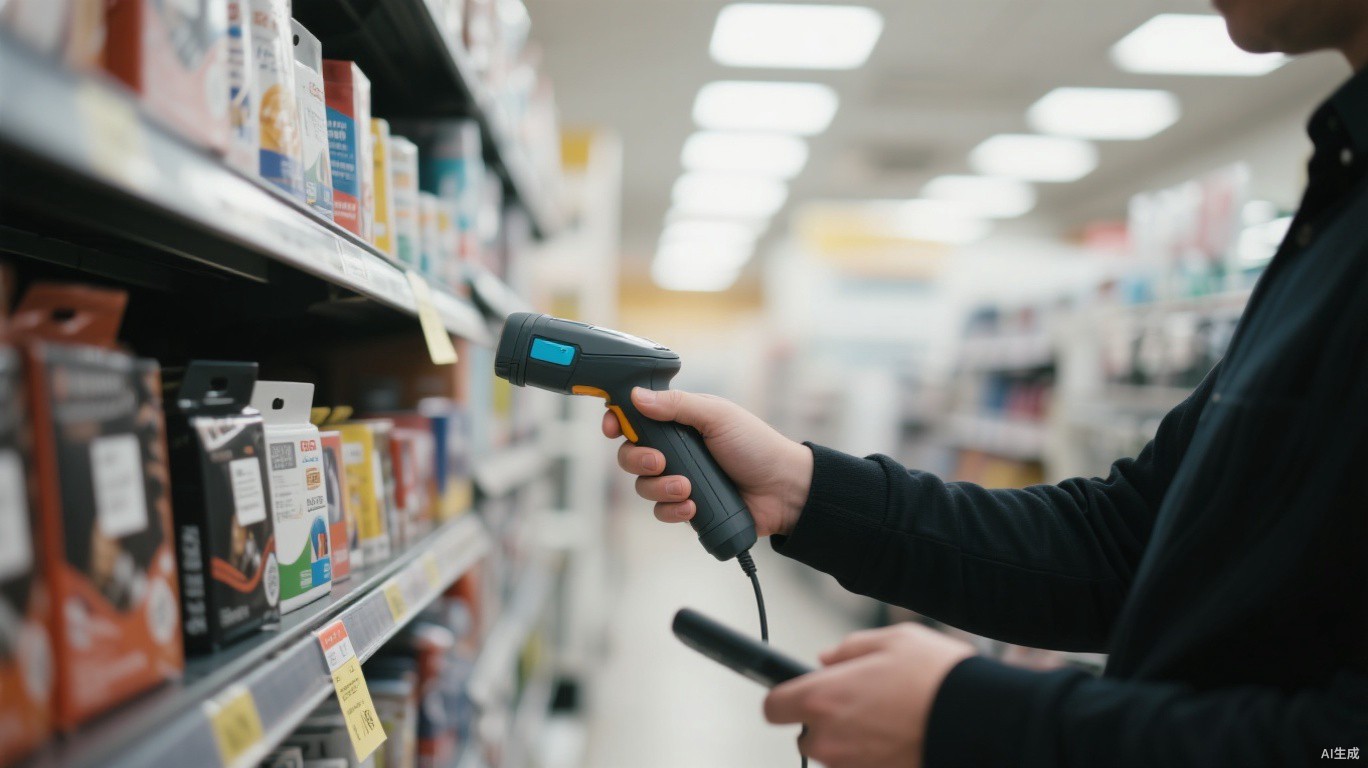
- الأجهزة: قارئات ثابتة (900–3000 دولار للواحدة)، هوائيات (150–600 دولار)، أجهزة محمولة (1200–3500 دولار)، بوابات، كابلات، تثبيت، مبدلات شبكة وميزانية PoE.
- البرمجيات والتكامل: ترخيص middleware أو تطوير خاص، موصل ERP/WMS، تصميم الملصقات، التقارير، وساعات تقنية المعلومات الداخلية التي لا يسجلها أحد.
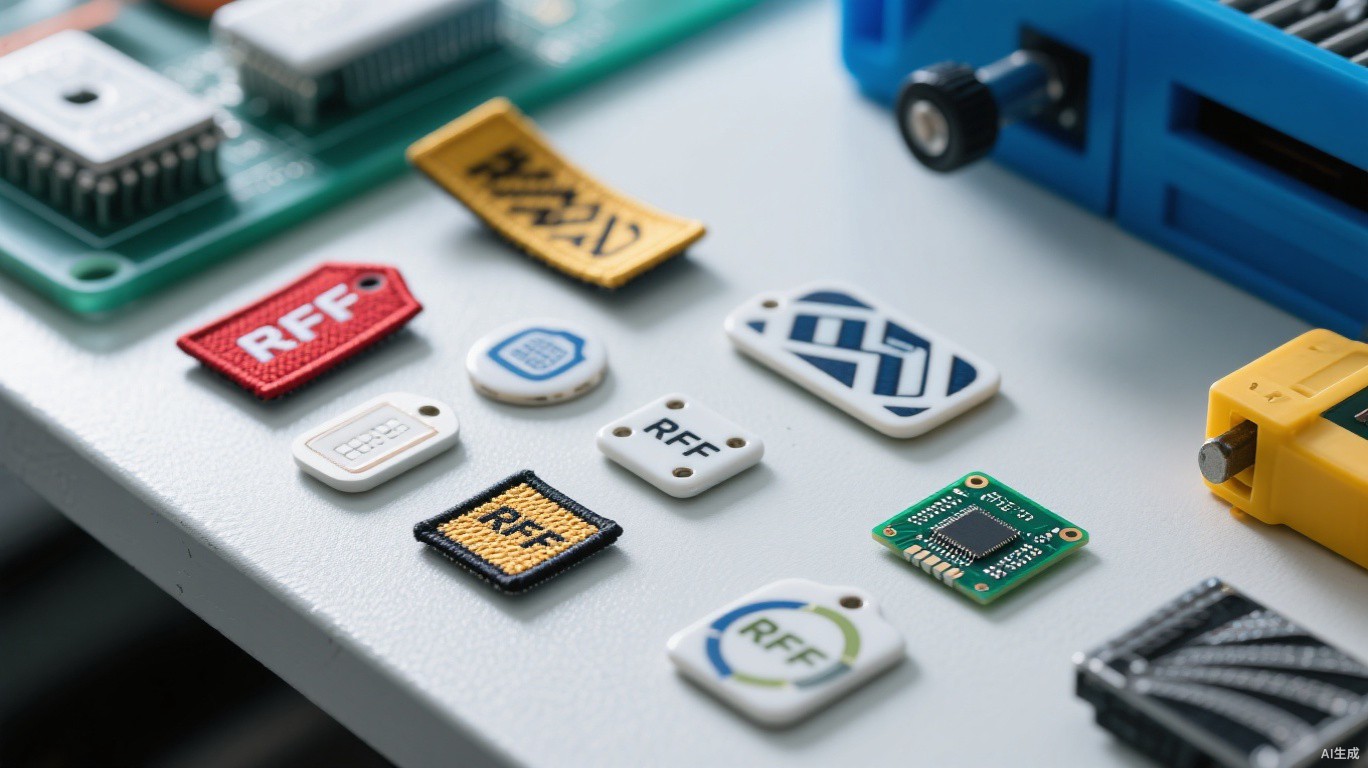
- الوسوم: رقاقة UHF سلبية بين 0.05 و0.30 دولار حسب الحجم، مع الطباعة وأعمال اللصق.
- الخدمات: مسح الموقع، تصميم الترددات الراديوية، التركيب، التشغيل التجريبي، التدريب، ومخصص واقعي لإعادة العمل بعد الشهر الأول من التشغيل.
هناك بندان يُقدَّران بأقل من حقيقتهما دائمًا. الأول هو عمل لصق الوسوم عندما لا يضعها المورّد في المصدر: لصق مليوني ملصق يدويًا تكلفة تشغيلية دائمة لا تكلفة مشروع. الثاني هو فترة الاستقرار بعد الإطلاق: من أربعة إلى ثمانية أسابيع من المعايرة قبل الوصول إلى الدقة الموعودة، ويجب أن تدخل تلك اليد العاملة المؤقتة في الميزانية.
أي بنود الفائدة تحرك الرقم فعلًا؟
أربع فئات تحمل تقريبًا كل قيمة RFID في المستودع. رتّبها بحسب الأثر النقدي المُدقَّق، لا بحسب جمال وقعها في العرض.
- دقة المخزون: الانتقال من 96–97% إلى أكثر من 99% يخفض مخزون الأمان ويحرر رأس المال العامل. هذا أكبر بند في معظم النماذج وأسهلها دفاعًا.
- العمل في الجرد: جرد يدوي كامل لـ12000 موقع يستهلك شخصين ليومين؛ ومسح RFID يستهلك شخصًا واحدًا 90 دقيقة. اضرب في عدد الجردات سنويًا.
- سرعة الاستلام والشحن: قراءة البوابة تحل محل مسح كل قطعة، فتقلص زمن البقاء على الرصيف والعمل لكل طبلية.
- تكلفة الخطأ: التقاط خاطئ، مطالبات، إعادة شحن عاجل، إشعارات دائنة. صغيرة لكل حدث وكبيرة سنويًا.
ما لا يجب أن يدخل النموذج: «تحسين الرؤية»، «تجربة عميل أفضل» وعبارات مشابهة لا يمكن ربطها ببند في قائمة الأرباح والخسائر. اتركها في الجزء السردي خارج الحساب.
كيف تُحسب فترة الاسترداد شهرًا بشهر؟
ابنِ النموذج كتدفق نقدي شهري لا كملخص سنوي، لأن الفوائد تصعد تدريجيًا. الشهر الأول لا ينتج شيئًا، والثالث ينتج دقة جزئية، والسادس يبلغ الحالة المستقرة. المتوسط السنوي يخفي هذا الصعود ويجامل المشروع.
- الشهر 1–2: تدفق رأس مال خارج، بلا فائدة. لصق الوسوم وتشغيل القارئات.
- الشهر 3–4: تشغيل منطقة تجريبية، تحقيق 40–60% من الفائدة النموذجية.
- الشهر 5–6: نشر كامل، تحقيق 80–90%.
- من الشهر 7: حالة مستقرة، مع الوسوم والدعم كتكلفة متكررة.
شهر الاسترداد هو أول شهر يصبح فيه التدفق النقدي الصافي التراكمي موجبًا. أقل من 24 شهرًا قابل للتمويل عادة؛ ومن 30 إلى 36 شهرًا يحتاج حجة استراتيجية إلى جانب الحجة المالية.
أي افتراضات تهدم النموذج بهدوء؟
ثلاثة افتراضات تسبب معظم دراسات الجدوى الفاشلة، والثلاثة قابلة للاختبار قبل التوقيع.
- دقة قراءة 100%. البوابات الحقيقية على الطبليات الحقيقية تعطي 95–99% دون معايرة. افترض 97% وأضف عملية استثناء يدوية للباقي.
- سعر الوسم مجمّد عند سعر التجربة. أسعار الحجم تتحسن، لكن نسبة الفشل ترتفع أيضًا — خصص 1–3% هدرًا في الوسوم.
- إمكانية إعادة توزيع العمل بالكامل. التوفير يصبح نقدًا فقط إذا انخفض عدد الموظفين فعلًا أو استوعب النمو دون توظيف. اكتب صراحة أي الاحتمالين تفترضه.
أضف جدول حساسية بثلاثة أعمدة — أساسي، متحفظ، متشائم — ودع المالية تختار العمود الذي ستوافق عليه. النموذج الذي ينجح في أفضل حالة فقط سيُرفض، وهذا صحيح.
مثال محسوب: مستودع 5000 م²، مليونان من الوحدات سنويًا
مركز توزيع متوسط فيه 12000 موقع تخزين ورفوف، و40 شخصًا في الأرض، وأربعة أرصفة، وجرد يدوي أربع مرات سنويًا.
- رأس المال: 12 قارئًا ثابتًا مع 40 هوائيًا، و8 أجهزة محمولة، وبوابتان، وكابلات وتركيب — نحو 78000 دولار.
- البرمجيات والتكامل: 32000 دولار.
- الوسوم: مليونان بسعر 0.12 دولار — 240000 دولار سنويًا، وهي التي تهيمن على النفقات المتكررة.
- الدعم والخدمات المتكررة: 18000 دولار سنويًا.
الفائدة: ينخفض عمل الجرد من 640 إلى 96 ساعة سنويًا (توفير 12000 دولار بسعر 22 دولارًا للساعة)؛ ويحرر تحسن الدقة نحو 310000 دولار من مخزون الأمان بتكلفة احتفاظ 12% أي 37000 دولار سنويًا؛ ويوفر الاستلام والشحن 3200 ساعة (70000 دولار)؛ وتنخفض تكلفة الخطأ من 90000 إلى 35000 دولار.
النتيجة الصافية للسنة الأولى نحو سالب 143000 دولار؛ والفائدة الصافية السنوية في الحالة المستقرة نحو 14000 دولار قبل تكلفة الوسوم، إضافة إلى 174000 دولار تحرير رأس مال عامل. بهذه الأرقام تقع فترة الاسترداد بين 19 و21 شهرًا، ويقودها بند رأس المال العامل تقريبًا بالكامل — ولهذا يجب أن توقعه المالية لا العمليات.
كيف تجعل الحساب قابلًا للدفاع أمام المالية؟
حوّل كل فائدة إلى نقد أو رأسمال، وحدد الحساب الذي تستقر فيه. النموذج الذي يقول «يوفر وقتًا» سيُخصم إلى الصفر.
- فوائد نقدية: ساعات عمل أُلغيت فعلًا، تكلفة خطأ تجنّبت فعلًا، رسوم استعجال أُزيلت فعلًا.
- فوائد رأسمالية: انخفاض المخزون بتكلفة الاحتفاظ لا بسعر الشراء.
- اذكر معدل الخصم وافتراض تضخم أسعار الوسوم.
- أضف حالة الفشل: ماذا يحدث للنموذج إذا وصلت الدقة إلى 96% فقط؟
الخلاصة
نموذج عائد استثمار RFID في المستودع يكون مقنعًا عندما يعود كل رقم فيه إلى قياس تشغيلي أو عرض سعر مورّد. احسب شهريًا، افصل الوسوم عن رأس المال، افترض دقة 97% بدل الكمال، ودع المالية تختار بين ثلاثة سيناريوهات. عندها يتحول النقاش من «هل يعمل RFID؟» إلى «متى نبدأ؟».