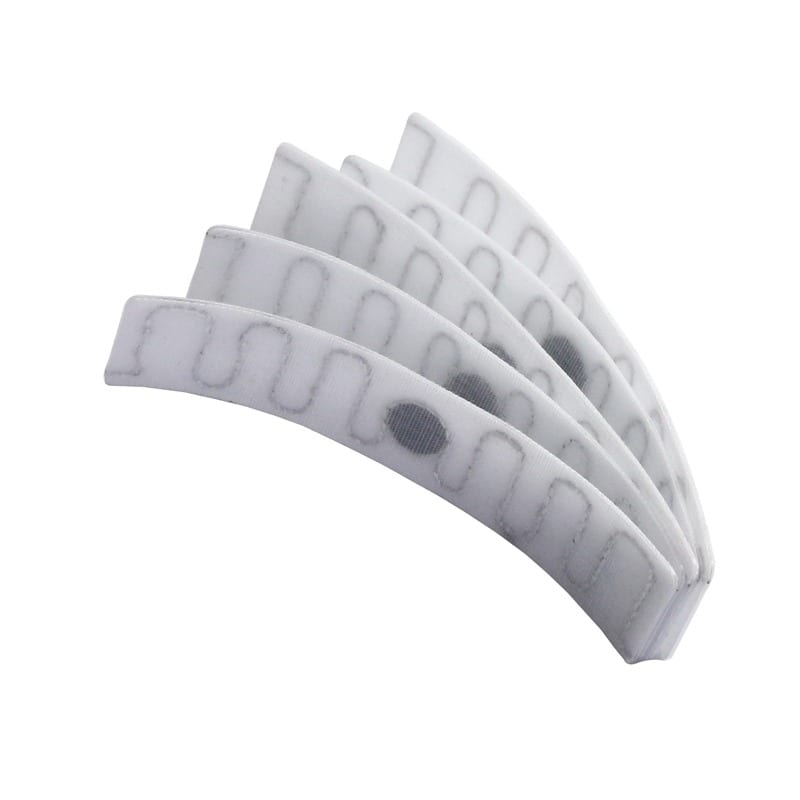
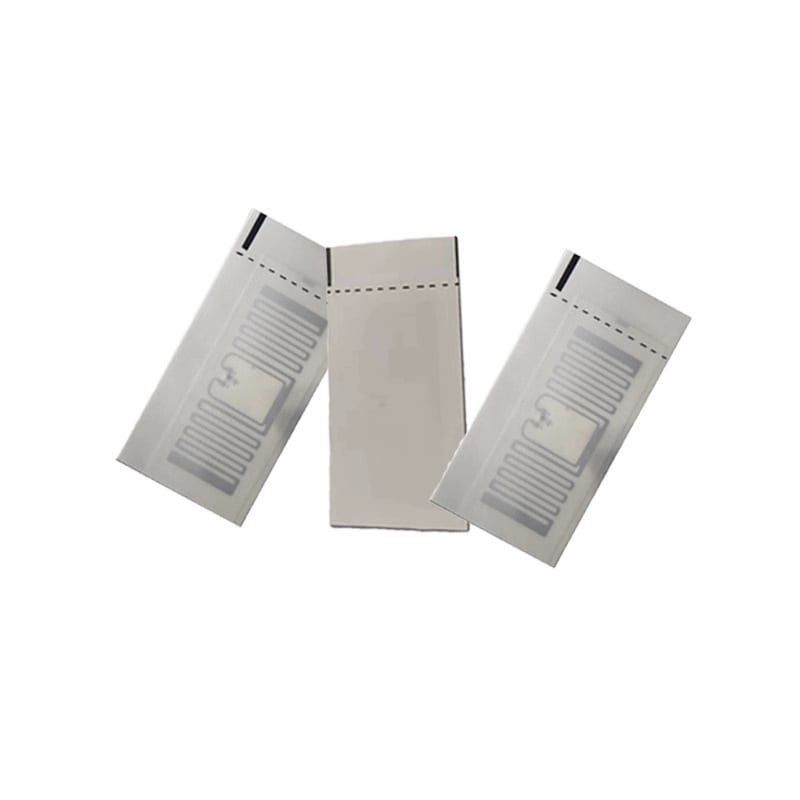
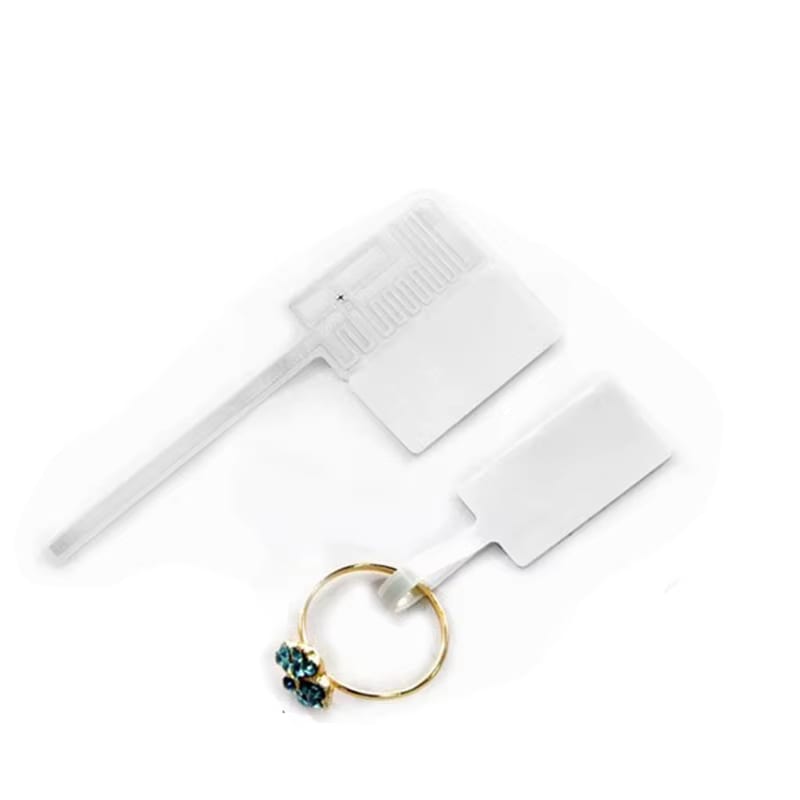
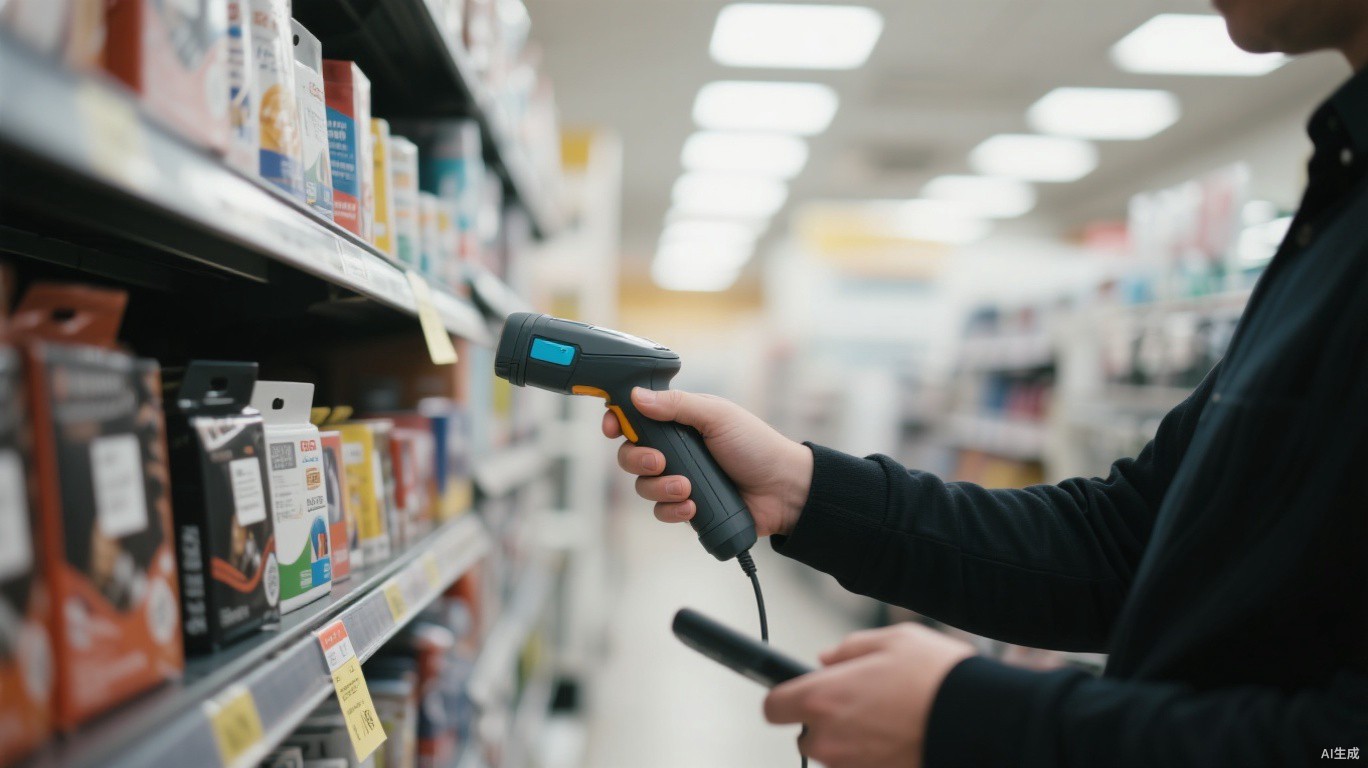
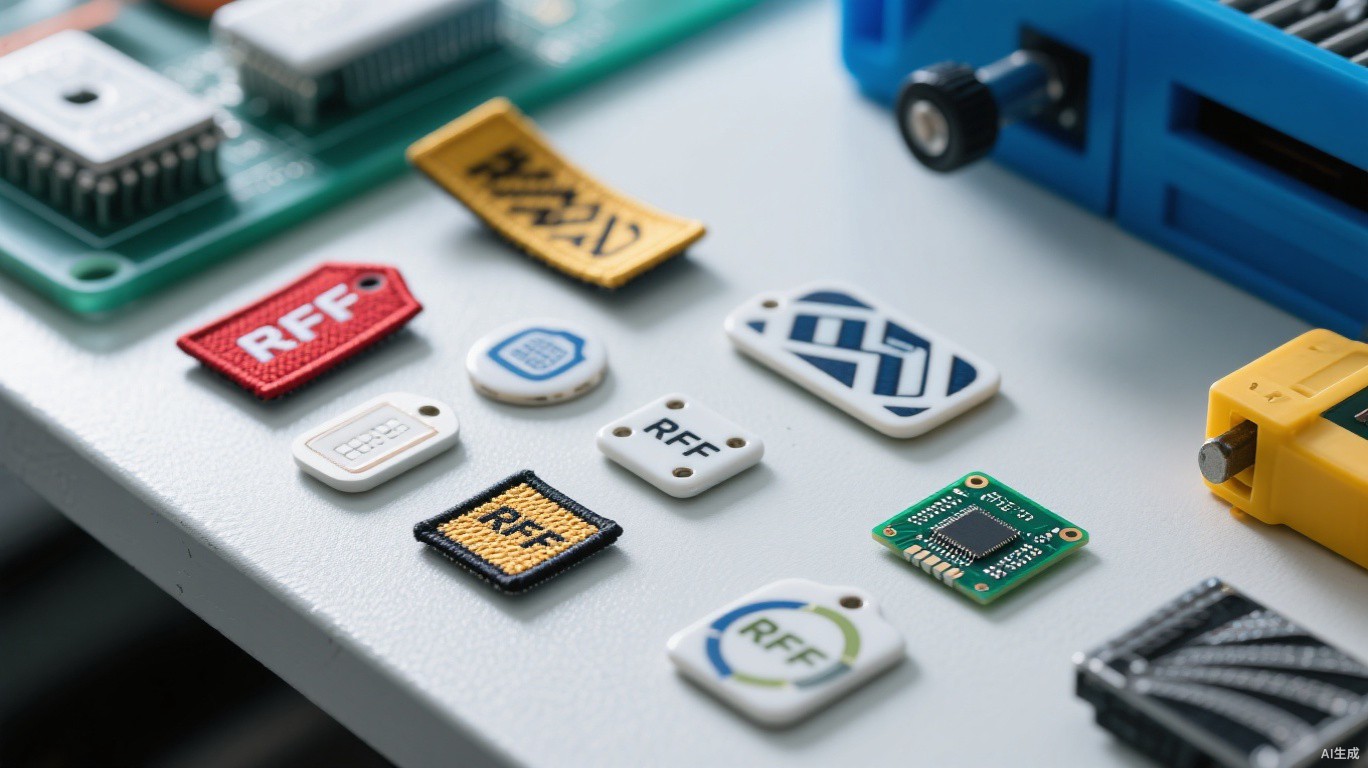
وسم Gen2 حاسوب صغير بأربعة بنوك ذاكرة وعقد صارم لكل بنك. تكتب الفرق بانتظام في البنك الخطأ، أو تقفل ما كان يجب أن يبقى قابلًا للكتابة، أو تفترض أن TID قابل للتحرير. الأخطاء الثلاثة مكلفة على نطاق واسع وقابلة للتجنب بقرار تصميم من صفحة واحدة.
القاعدة التي تحل معظم الالتباس: EPC هو المعرّف الذي يملكه عملك، وTID معرّف يصنعه مصنّع الرقاقة، وUser مساحة العمل التي تملكها، وReserved فضاء الأمان الذي لا يلمسه أحد دون خطة.
ما هي بنوك الذاكرة الأربعة؟
يعرّف معيار Gen2 أربعة بنوك منطقية، لكل منها غرض محدد وقاعدة وصول محددة ونمط فشل محدد.
- البنك 0، Reserved: 32 بت لكلمة مرور الإبطال و32 بت لكلمة مرور الوصول.
- البنك 1، EPC: حقل الطول وCRC-16 وEPC نفسه — عادةً 96 بت حتى 496 في الإصدارات الممتدة.
- البنك 2، TID: 32 بت لمعلومات المصنّع والموديل والرقم التسلسلي في التخطيط القياسي، وأطول في المتغيرات الممتدة.
- البنك 3، User: اختياري، من 0 إلى 512 بت حسب الرقاقة، وبعض العائلات الخاصة تتيح أكثر.
البنك الذي لا تحتاجه ليس مجانيًا: يرفع تكلفة الرقاقة، وذاكرة المستخدم تحديدًا أول ما يُقتطع في الرقاقات منخفضة التكلفة.
كم يتسع بنك EPC فعلًا؟
96 بت تعني 24 حرفًا ست عشريًا، وهي كافية لـSGTIN-96 من GS1 (بادئة الشركة ومرجع الصنف والرقم التسلسلي) أو لمخطط خاص من 96 بت، مثل رمز موقع من 4 أحرف مع رقم أصل من 18 رقمًا.
ما يتجاوز ذلك يحتاج الأطوال الممتدة في EPC Gen2 v2. 128 بت تناسب رقمًا تسلسليًا أطول في بيئة متعددة المواقع؛ و198 بت تناسب GRAI-96 مع سمات إضافية؛ و496 بت موجودة لكنها نادرة ومكلفة، وكثير من القارئات يعالجها أبطأ.
- 96 بت: الافتراضي في التجزئة والملابس واللوجستيات ومعظم الأصول.
- 128 بت: معرّفات متعددة الشركات والمواقع مع هامش.
- 198 بت: الأجهزة الطبية والحاويات القابلة للإعادة ببيانات منظمة.
- 496 بت: حالة متخصصة، ولا تُبرَّر إلا مع كلفة إضافية على القارئ.
لا تُشفّر في EPC بيانات قابلة للتغير. رقم الدفعة أو الموقع أو الحالة مكانها ذاكرة المستخدم؛ ويجب أن يبقى EPC ثابتًا طوال عمر الصنف.
لماذا يُعد TID البصمة الموثوقة؟
يُبرمج TID في المصنع وهو للقراءة فقط. يحتوي معرّف مصنّع الرقاقة ورمز الموديل ورقمًا تسلسليًا، والتخطيط الدقيق متفق عليه بين المصنّع ومنظومة القارئات عبر مخطط تخصيص TID.
قيمته في التحقق: يخبرك TID هل الرقاقة أصلية، وأي موديل هي، وهل نُسخ الوسم بنسخ EPC. في عمليات مكافحة التقليد والضمان، TID مع EPC أقوى بكثير من EPC وحده.
- TID ليس مضمونًا كمعرّف عالمي فريد في كل عائلات الرقائق — تحقق من التخطيط قبل الاعتماد عليه.
- قراءة TID تكلف زمن هواء إضافي لكل وسم؛ اقرأه عند التشغيل لا في كل مرور بوابة.
- TID غير قابل للكتابة. إن ادّعى المورّد غير ذلك فهو يعني منطقة TID ممتدة في رقاقة مخصصة.
ما فائدة ذاكرة المستخدم فعلًا؟
هي المكان الذي يوضع فيه ما يتغير، أو ما يخصك لا يخص المعيار.
الاستخدامات الشائعة: رمز دفعة أو لوط، تاريخ تصنيع أو انتهاء، طول موجة أو قيمة معايرة، عدّاد صيانة، رقم أصل داخلي، أو حمولة تشفيرية لفحص الأصالة.
- حدّد الحجم من نموذج البيانات ثم أضف 20% هامشًا.
- احسب زمن الكتابة: كتابة ذاكرة المستخدم أبطأ من قراءة EPC وتتزايد مع عدد الوسوم.
- احمها قبل النشر؛ بنك مستخدم غير محمي سيُكتب فوقه في الميدان عاجلًا أو آجلًا.
تحذير عملي: ذاكرة المستخدم أول ميزة تُقتطع في الرقاقات الرخيصة. إذا اعتمد تصميمك عليها فحدّد الرقاقة بدقة وتحقق من خريطة الذاكرة على عينة لا من ملخص كتيب البيانات.
ماذا تفعل كلمتا المرور في Reserved؟
يحتوي بنك Reserved كلمة مرور وصول من 32 بت وكلمة مرور إبطال من 32 بت. كلتاهما صفر افتراضيًا، أي أن كلتيهما مفتوحة.
كلمة مرور الوصول تحمي الذاكرة المقفلة: بعد قفل بنك بكلمة مرور غير صفرية قد تبقى القراءة ممكنة لكن الكتابة تتطلب الكلمة. وكلمة مرور الإبطال تعطّل الوسم نهائيًا — لا يرد بعدها أبدًا، وهذا بالضبط ما تريده للخصوصية في نهاية العمر، وبالضبط ما لا تريده في التجربة.
- اضبط كلمة مرور الوصول عند التشغيل، واحفظها في ERP لا في جدول على حاسوب شخصي.
- استخدم الإبطال فقط في عملية موثقة لنهاية العمر مع أثر تدقيق.
- اختبر دورة القفل والفتح على عشرة وسوم قبل قفل دفعة إنتاج.
أي استراتيجية قفل تصمد ثلاث سنوات؟
اقفل على مراحل لا دفعة واحدة. الفشل الشائع أن يُقفل كل شيء عند التشغيل ثم يكتشف العمل في السنة الثانية أنه يحتاج إعادة كتابة حقل.
- EPC: اقفل بعد التحقق من المعرّف عند نقطة الترميز.
- TID: للقراءة فقط بطبيعته، لا شيء لقفله.
- ذاكرة المستخدم: اقفل الحقول الثابتة، واترك عدّاد الصيانة قابلًا للكتابة بكلمة مرور وصول.
- Reserved: اضبط الكلمتين، ثم اقفل نهائيًا فقط إن كنت واثقًا أن شيئًا لن يحتاج التغيير.
احتفظ بسجل يربط نطاقات أرقام الوسوم بمجموعات كلمات المرور وحالات القفل. في نشر متعدد المواقع، هذا السجل هو الفرق بين أصول مضبوطة وتذكرة دعم كل ربع سنة.
الخلاصة
EPC للهوية، وTID للتحقق، وUser لما يتغير، وReserved للأمان. اقفل على مراحل، واحفظ سجل كلمات المرور في ERP، وتحقق من خريطة الذاكرة على عينة حقيقية قبل شراء مليون وسم. بنية الذاكرة ليست تفصيلًا تقنيًا، بل العقد بين نموذج بياناتك والملصق المادي.