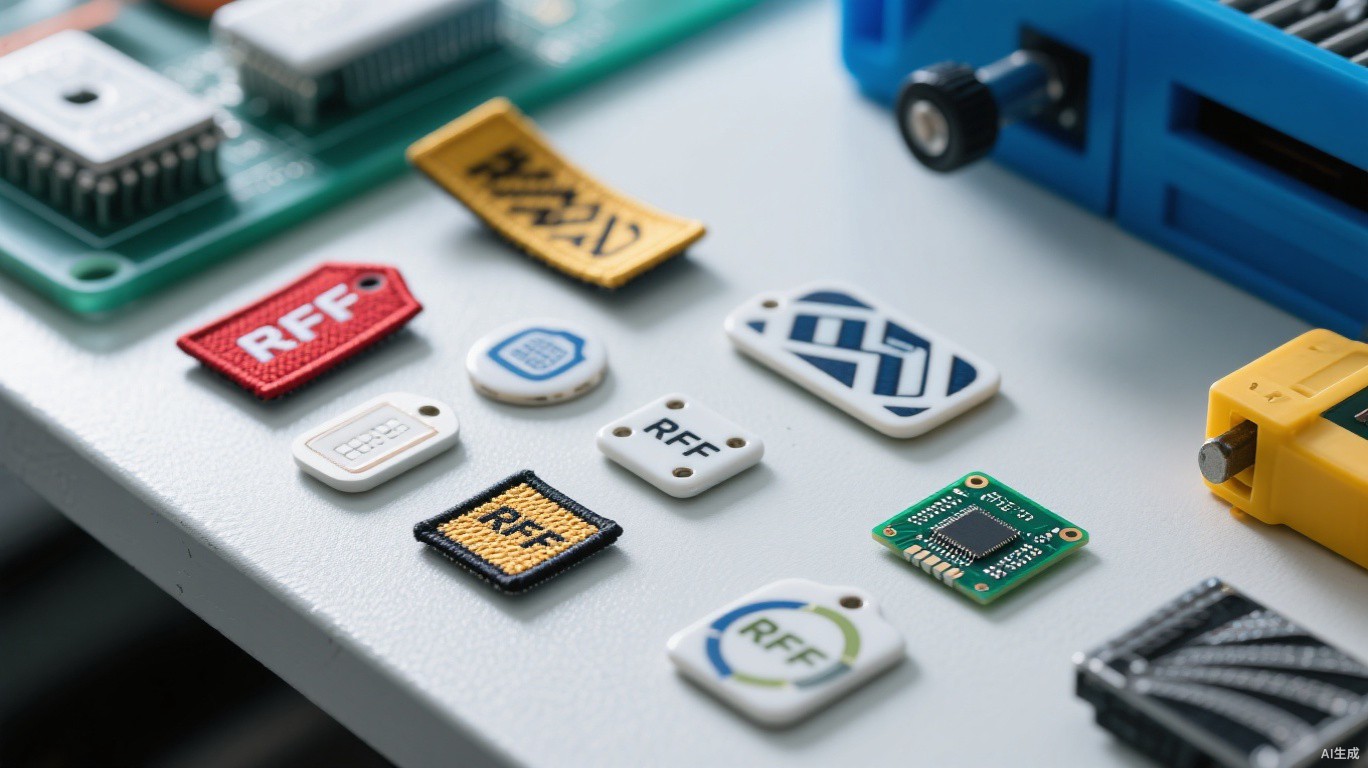
Ein Verkaufsautomat verkauft ein versiegeltes Produkt durch einen Ausgabeschlitz. Ein unbemannter Laden verkauft ein offenes Regal über eine App, ein Tor und ein Versprechen. Der Abstand zwischen diesen Geschäftsmodellen ist kein Automat mit Kartenleser — es ist ein Einzelhandelsbetrieb ohne Personal, das seine Fehler korrigiert, und RFID ist nur ein Teil dessen, was ihn überlebensfähig macht.
Was in einem unbemannten Laden tatsächlich bricht
Die meisten Fehler sind operativ und wiederholen sich.
- Der Kunde nimmt drei Artikel, stellt einen ins falsche Regal zurück, und die Korbsumme widerspricht dem Regal.
- Ein Etikett fehlt, ist beschädigt oder gefaltet, und das Tor sieht den Artikel nicht.
- Schwund entsteht am Regal, nicht an der Kasse: Ein Artikel verlässt den Laden in einer Tasche, die das Tor nie prüft.
- Die Nachfüllung macht ein Aushilfskraft mit zwanzig Minuten und ohne Planogramm, also driftet das Regal langsam.
- Die App setzt einen sauberen Bestand voraus, und die erste Beschwerde über einen Fehlbestand zerstört das Vertrauen.
Keines dieser Probleme löst ein besserer Leser. Alle werden von Etikettenwahl, Ladengestaltung und Betriebsmodell beeinflusst.
Einen Korb lesen: das physikalische Problem
RFID im Einkaufskorb ist nahe am Worst Case für UHF.
- Artikel liegen dicht aneinander, und Flüssigkeiten und Metall schirmen die Etiketten dahinter ab.
- Der Korb ist oft Metall oder hat einen Metallrahmen, der Etiketten nahe den Wänden verstimmt.
- Eine Hand oder ein Körper zwischen Antenne und Artikel absorbiert das Signal.
- Ein kleines Etikett auf einem kleinen Artikel, auf kurze Distanz, ohne Sichtlinie, ist genau die Konstellation, in der die Leserate zusammenbricht.
Die Antworten sind Ingenieursarbeit, nicht Marketing.
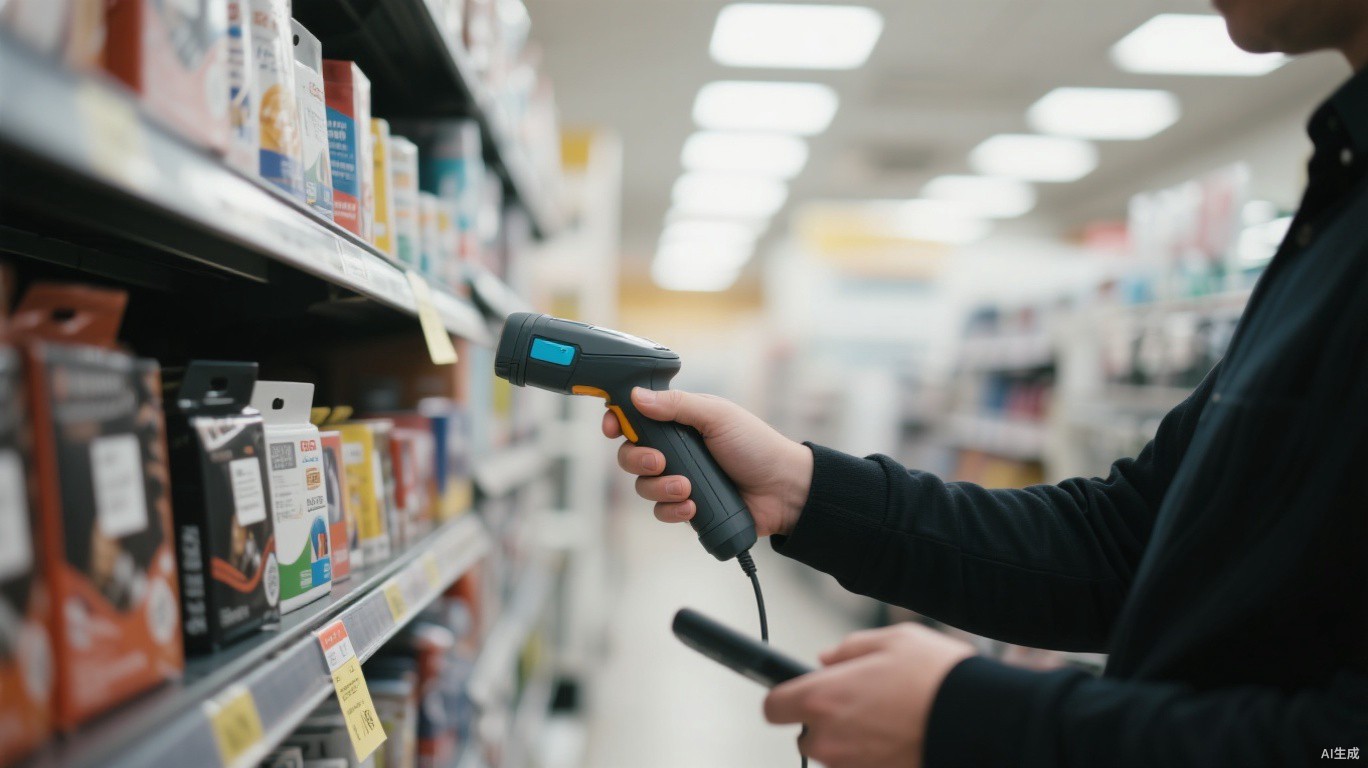
- Lesen Sie am Ausgang, wo der Korb einen definierten Tunnel oder ein Portal passiert, statt sich auf einen Handscanner zu verlassen.
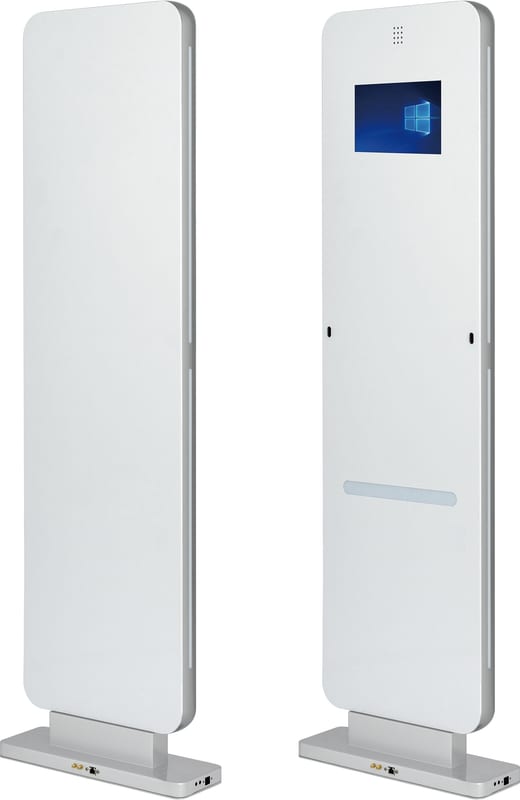
- Nutzen Sie ein Multiantennenportal mit zirkularer Polarisation und platzieren Sie Antennen beidseitig und oben.
- Spezifizieren Sie Etiketten mit großzügiger Reichweite für die Artikelgröße und testen Sie mit einem vollen Korb des realen Sortiments, nicht mit zehn identischen Kartons.
- Bei kleinen, dichten oder flüssigen Produkten erwägen Sie einen Hybrid: RFID für den Großteil des Korbs plus eine Gewichts- oder Sichtprüfung für den Rest.
Etikettierung: das eigentliche Kostencentrum
- Quell-Etikettierung im Werk ist das einzige Modell, das über ein paar hundert Läden hinaus skaliert. Etikettieren im Laden kostet Arbeit, die das unbemannte Modell gerade beseitigen sollte.
- Die Etikettenposition muss nach Warengruppe entschieden werden, nicht nach Laden. Ein Etikett in einem Folienbeutel ist unsichtbar; eines außen wird durch Handhabung beschädigt.
- Deaktivieren am Tor oder gar nicht deaktivieren ist eine politische Entscheidung mit direkten Schwundfolgen. Abnehmbare Etiketten, die den Laden verlassen, werden zum kostenlosen Bestand für den nächsten Dieb.
- Qualitätskontrolle der Etiketten bei Wareneingang lohnt die Arbeit: Ein Karton toter Etiketten, an der Hintertür entdeckt, wird nicht zur Kundenbeschwerde.
Die Kasse: Portal, Kabine oder Hybrid
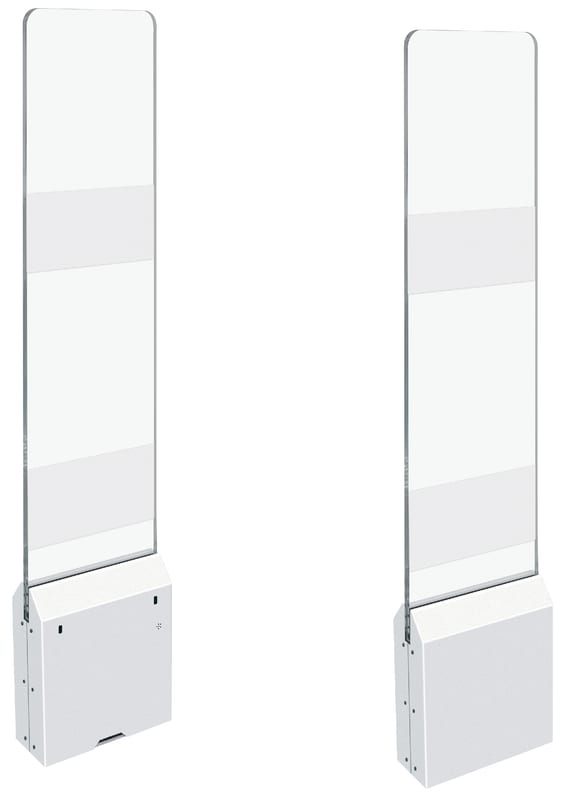
- Ein Ausgangsportal ist pro Quadratmeter am billigsten und funktioniert für einen Laden mit definiertem Ausgang. Es verlangt, dass der Kunde durch eine bekannte Geometrie geht.
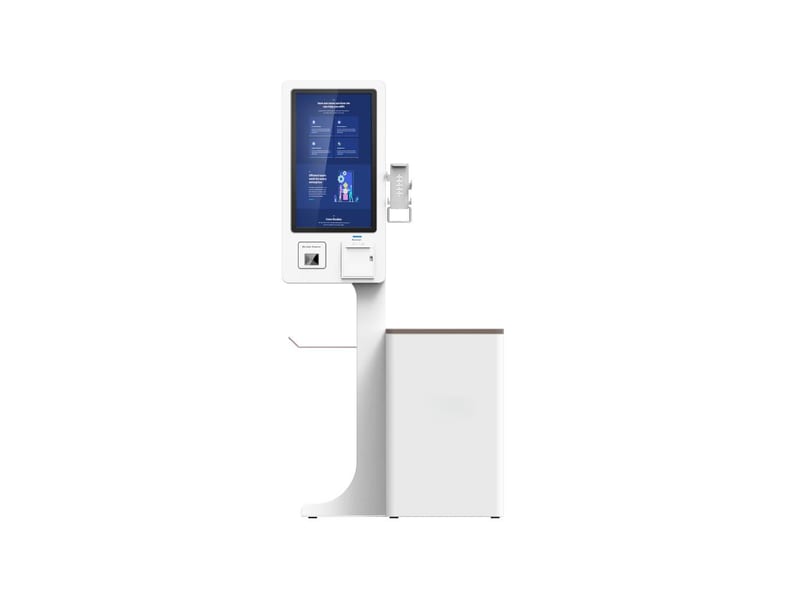
- Ein smarter Schrank oder Automat begrenzt das Problem: eine Tür, ein Leser, ein Artikel. Ausgezeichnet für hochwertiges Sortiment mit wenigen SKUs, schlecht für eine volle Lebensmittelpalette.
- Reine Vision-Kassen haben stark zugelegt, scheitern aber noch an ähnlich aussehenden SKUs, und ihre Fehlerrate ist nicht symmetrisch — eine falsche Belastung schadet weit mehr als eine fehlende.
- Hybrid mit RFID als Primär und Vision oder Gewicht als Sekundär ist die Konfiguration, die den Kontakt mit echten Kunden übersteht.
Nachfüllen, Planogramm und Bestandsgenauigkeit
- Das System, das weiß, was der Kunde gekauft hat, weiß auch, was im Regal steht — aber nur, wenn die Regallesung real ist. Ein Portal an der Lagertür liefert das ohne Inventur.
- Nachfüllaufgaben sollten vom System erzeugt werden, in Regalreihenfolge und mit Zielzeit. Eine Kraft mit Liste ist doppelt so schnell wie eine mit Plan.
- Planogrammdisziplin macht die Lesung bedeutsam: Steht der Artikel nicht dort, wo das System sagt, ist die Entnahme falsch, obwohl das Etikett richtig ist.
- Zykluszählen nach Ausnahme — die Kategorien mit der höchsten Varianz — ist billiger und genauer als eine Vollzählung.
Schwundkontrolle und Ausnahmen
- Das Tor erkennt ein Etikett, das hinausgeht, nicht einen Diebstahl. Ein Kunde, der mit einem Artikel hinausgeht, ist ein Zahlungsfehler, und das System muss beides abstimmen.
- Protokollieren Sie Ausgangsereignis, Korbzustand und Zahlungsergebnis gemeinsam; die Lücke dazwischen ist Ihr Schwundsignal.
- Behandeln Sie den ehrlichen Fehler bewusst: Wer mit einem ungescannten Artikel hinausgeht, sollte es in der App korrigieren können, ohne Konfrontation.
- Prüfen Sie Ausnahmemuster wöchentlich. Ein Laden, in dem derselbe SKU wiederholt nicht passt, hat ein Etikettierungs- oder Platzierungsproblem, keine unehrliche Kundschaft.
Stückkosten, die einer Prüfung standhalten
- Umsatz pro Quadratmeter ist die Schlagzeile, wird aber von Sortiment und Lage getrieben, nicht von der Abwesenheit von Personal.
- Eingesparte Arbeit ist nicht beseitigte Arbeit: Nachfüllen, Reinigung, Wartung und Kundenbetreuung existieren weiter, konzentriert in weniger, längeren Besuchen.
- Schwund ist die Zahl, die das Modell tötet. Ein bedienter Laden toleriert ein bis zwei Prozent; ein unbemannter mit schwachem Tor kann fünf bis zehn sehen.
- Hardware-Abschreibung zählt, weil der Laden ein Anlagegut mit fünf Jahren Lebensdauer ist und seine Softwareabhängigkeit nicht gut altert.
- Der Break-even wird meist bei einer bestimmten Kombination aus Korbgröße und Besuchsfrequenz erreicht, also modellieren Sie diese zwei Variablen, bevor Sie einen Mietvertrag unterschreiben.
Rollout-Reihenfolge
- Beginnen Sie mit einer Kategorie und einem Format: ein smarter Schrank im Wohnheim, ein Portalladen in der Bürolobby, eine Automatenwand im Krankenhaus.
- Führen Sie zwei Wochen lang eine manuelle Prüfung parallel zum System durch und vergleichen Sie. Die Differenz ist Ihre echte Bestandsgenauigkeit.
- Instrumentieren Sie den Ausgang, nicht den Eingang. Das Tor, das zählt, ist das, das der Kunde mit Ware passiert.
- Bringen Sie den Nachfüllrhythmus in Ordnung, bevor Sie SKUs ergänzen. Ein Laden, der nicht zuverlässig nachgefüllt werden kann, ist nicht skalierbar.
- Erst dann nach Standort expandieren, mit demselben Format und derselben Etikettenspezifikation.
Ein unbemannter Laden ist ein Einzelhandelsbetrieb, dem die Fehlerkorrekturfähigkeit entfernt wurde. RFID gibt einen Teil davon zurück, aber nur, wenn Etikett, Portal und Nachfüllmodell als ein System entworfen und nicht als drei Produkte gekauft werden.