RAIN RFID wird in Zehn-Milliarden-Stückzahlen pro Jahr ausgeliefert, und fast jedes davon ist ein kleines Stück Elektroschrott, das dazu entworfen wurde, mit der Sache weggeworfen zu werden, an der es klebt. Das ist kein Nebeneffekt der Branche; es ist das Geschäftsmodell, und es trifft jetzt auf Regulierung, Beschaffungspolitik und zunehmend auf die eigene Nachhaltigkeitsberichterstattung der Kunden.
Die ehrliche Position: Ein passives Etikett ist eine winzige Menge Material mit einem unverhältnismäßigen Entsorgungsproblem. Es verunreinigt einen Papierstrom, es ist im Maßstab wirtschaftlich nicht rückgewinnbar, und es klebt auf Verpackungen, die für eine einzige Reise entworfen wurden.
Zehn Milliarden Etiketten sind eine Umweltaussage
Die Größenordnung verändert die Natur des Problems, und die Arithmetik verdient es, laut gerechnet zu werden.
- Die Auslieferungen werden in Zehn-Milliarden pro Jahr gemessen, und jedes Etikett enthält Aluminium, PET und einen Silizium-Die.
- Aluminium pro Etikett ist unter einem Gramm, aber mit diesem Volumen multipliziert werden daraus Tausende Tonnen pro Jahr.
- PET-Inlayfolie ist nicht biologisch abbaubar und wird selten von Papierverpackung getrennt.
- Die meisten Etiketten landen im gemischten Siedlungsabfall, wo weder das Metall noch der Chip zurückgewonnen wird.
- Der Umweltaufwand eines Etiketts ist vernachlässigbar; der der Summe ist es nicht.
Papierantennen: was funktioniert und was nicht
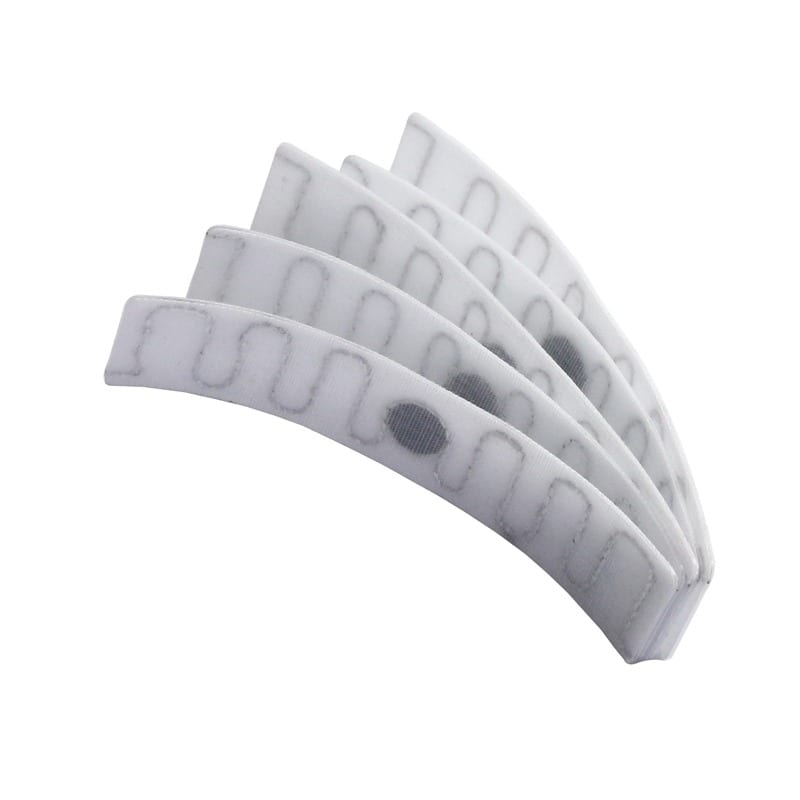
Eine Papierantenne entfernt die PET-Folie, aber das Aluminium bleibt.
- Gedruckte leitfähige Tinte auf Papier ersetzt geätzte Aluminiumfolie und senkt die Metallmasse deutlich.
- Die Leitfähigkeit gedruckter Tinte liegt weit unter Kupfer oder Aluminium, also muss die Antenne für dieselbe Reichweite größer sein.
- Papier nimmt Feuchtigkeit auf, was die Antenne verstimmt und die Reichweite mit der Luftfeuchte verändert — ein echtes Problem in der Kühlkette.
- Papiersubstrate überstehen Konvertierung und Druck gut, aber nicht Waschen oder Chemikalien.
- Der stärkste Anwendungsfall ist kurzlebige Verpackung, bei der die Etikettenlebensdauer der Produktlebensdauer entspricht.
Ablösbare Inlays und Design für die Demontage
Ein Etikett zu recyceln ist vor allem ein Trennproblem, und die Trennung muss hineindesignt werden.
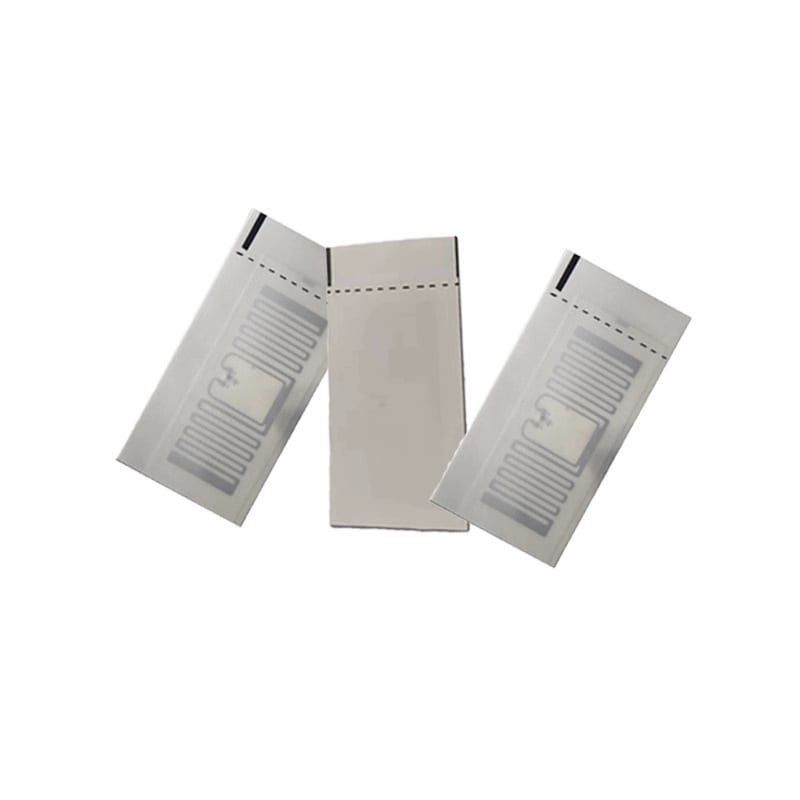
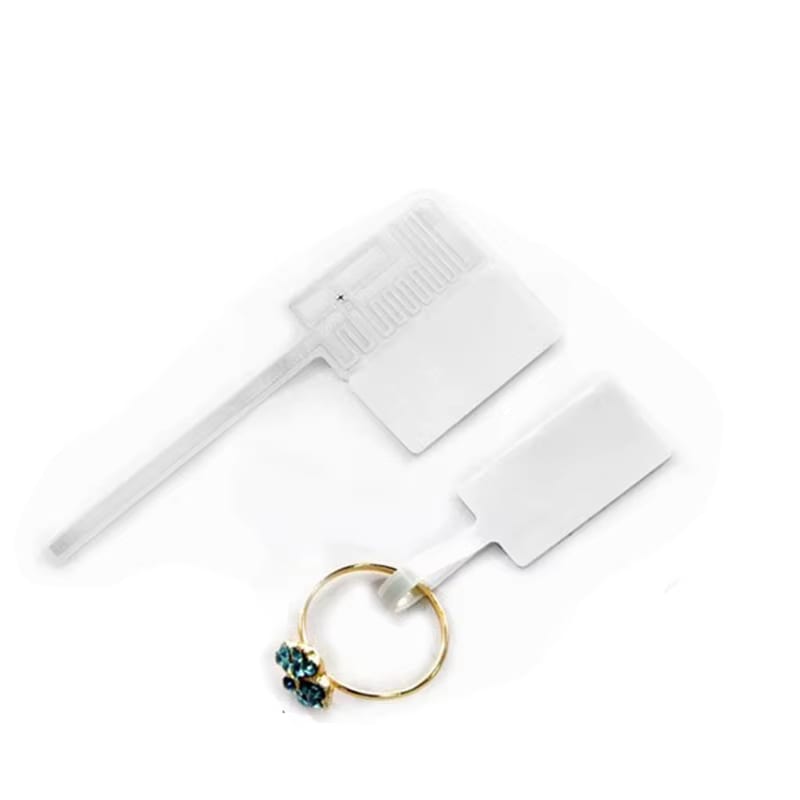
- Ein perforiertes Inlay oder eines mit Ziehlasche lässt Chip und Antenne den Papierstrom verlassen, bevor gestofft wird.
- Die Kleberwahl entscheidet, ob Trennung möglich ist: Dauerhaftkleber macht das Etikett zum Teil der Schachtel.
- Etikettendrucker, Applikator und Kunde müssen die neue Konstruktion akzeptieren, und das ist die eigentliche Barriere.
- Inlays, die im Auflösebehälter aufschwimmen, nützen nur, wenn stromabwärts ein Rückhaltemechanismus existiert.
- Design für Demontage funktioniert, wenn der Hersteller das Etikett anbringt, nicht wenn es ein Verbraucher tut.
Das Problem der Recyclingklasse
Auch ein recycelbares Etikett braucht ein Ziel, und das Ziel ist eine Marktfrage.
- Aluminiumhaltiges Papier ist eine niedrigere Klasse als sauberes Papier, also lehnen Mühlen es ab oder degradieren die Ausgabe.
- Silizium-Dies werden aus einem Inlay nicht wirtschaftlich zurückgewonnen; sie werden im Prozess zerstört.
- Ein Etikett, das technisch recycelbar ist, aber keinen Käufer hat, ist funktional Abfall.
- Rückwärtslogistik für Verpackungen verbessert sich in einigen Märkten und fehlt in den meisten.
- Die glaubwürdige Aussage lautet mit dem Papierstrom kompatibel, nicht recycelbar, und das ist kein Synonym.
Regulierung kommt schneller als die Materialwissenschaft
Der Compliance-Zeitplan ist inzwischen kürzer als der Entwicklungszyklus eines neuen Inlays.
- Erweiterte Herstellerverantwortung zieht Smart Packaging in mehreren Jurisdiktionen in den Elektroschrottbereich.
- Recyclingquoten für Verpackungen steigen, und ein Etikett kann eine sonst konforme Packung disqualifizieren.
- Kennzeichnungsanforderungen beginnen zu fragen, ob das Etikett trennbar ist, und das ist eine Designfrage.
- Händler nehmen Entfernungsanweisungen für Etiketten in Lieferanten-Scorecards auf, ohne sich auf eine Methode zu einigen.
- Die praktische Antwort ist Dokumentation: wissen, was Ihr Etikett enthält und wohin es geht.
In manchen Kreisläufen ist Wiederverwendung besser als Recycling
Für Mehrwegassets ist das grünste Etikett jenes, das tausendmal gelesen wird.
- Ein dauerhaftes Etikett auf einer Palette oder einem Container amortisiert sein Material über Hunderte Zyklen.
- Mehrwegtransportbehälter haben bereits einen Rücklauf, also löst das Geschäftsmodell das Rückgewinnungsproblem.
- Einweg-Etiketten auf Einwegverpackung haben keinen solchen Kreislauf, und Materialinnovation erzeugt keinen.
- Der Entscheidungspunkt ist die Asset-Lebensdauer: Überlebt das Etikett die Verpackung, gewinnt Wiederverwendung in jeder Kennzahl.
- Der Trade-off ist Kosten pro Zyklus gegen Kosten pro Etikett, eine einfache Rechnung, sobald der Kreislauf existiert.
Das Kosten-Delta und wer es zahlt
Nachhaltiges Etikettendesign kostet meist mehr, und die Frage ist, wo dieser Aufwand landet.
- Papierbasierte und ablösbare Inlays tragen typisch einen Preisaufschlag gegenüber Standard-Nass-Inlays.
- Im Handel trägt die Marke die Etikettenkosten, während die Kommune die Entsorgungskosten trägt.
- In Medizin und Industrie zahlt der Käufer oft bereits für konforme Entsorgung, was die Rechnung ändert.
- Ein recycelbares Etikett, das im Feld versagt, kostet mehr als ein billiges, das funktioniert; Zuverlässigkeit bleibt erste Priorität.
- Beschaffung kann Nachfrage schneller erzeugen als Regulierung, aber nur wenn die Spezifikation präzise ist.
Eine Einkaufsspezifikation, die ein ESG-Audit übersteht
Schreiben Sie die Anforderung so, dass sie prüfbar ist und ein Lieferant sie nicht mit einem Prospekt beantworten kann.
- Nennen Sie Substrat, Metallmasse pro Etikett, Klebertyp und ob das Inlay trennbar ist.
- Verlangen Sie den Entsorgungsweg schriftlich, mit dem Namen des Stroms, mit dem das Etikett kompatibel ist.
- Fragen Sie nach dem Einfluss des Etiketts auf die Recyclingklasse der Verpackung, nicht nach einer allgemeinen Nachhaltigkeitserklärung.
- Verlangen Sie eine Feldausfallrate und eine Probe der Fehleranalysemethode.
- Fragen Sie nach der Massenbilanz: Gramm Aluminium, PET und Silizium pro tausend Etiketten.
Das nachhaltige Etikett ist nicht das mit der besten Geschichte. Es ist das, dessen Material, Kleber und Entsorgungsweg gemeinsam gewählt wurden und dessen Spezifikation ein Fremder prüfen könnte.