Die pharmazeutische Kühlkette hat zwei Fragen, und sie sind nicht dieselbe Frage. Die erste ist Identität: welche Kiste ist das, wo wurde sie hergestellt, wo war sie. Die zweite ist Zustand: blieb sie über die gesamte Reise zwischen zwei und acht Grad, und wenn nicht, wie lange und wie weit außerhalb.
RFID kann beides beantworten. Es kann es nicht mit einem Datenstrom, und es kann es nicht ohne einen Prüfpfad, den ein Inspektor akzeptiert.
Was die Regulierung verlangt und Barcodes nicht belegen können
Serialisierungsvorschriften — die Fälschungsrichtlinie in Europa, DSCSA in den USA und vergleichbare Regelungen anderswo — verlangen eindeutige Identifikation und Verifikation an definierten Punkten. Ein Barcode kann die Kennung tragen, aber nicht belegen, dass genau diese Kiste physisch am Verifikationspunkt war, ohne jede Einheit manuell zu scannen.
- Identität auf Einheitenebene: Jede verkaufbare Einheit trägt ihre eigene Seriennummer, nicht nur eine Chargennummer.
- Aggregation: Kiste und Palette müssen wissen, welche Einheiten sie enthalten, damit ein Rückruf ohne Öffnen jedes Kartons möglich ist.
- Verifikation: bei der Abgabe oder an einem definierten Kontrollpunkt muss die Kennung gegen ein Repository geprüft werden.
- Rückverfolgbarkeit: die Verwahrungskette vom Hersteller bis zur Abgabe, mit Zeitstempeln.
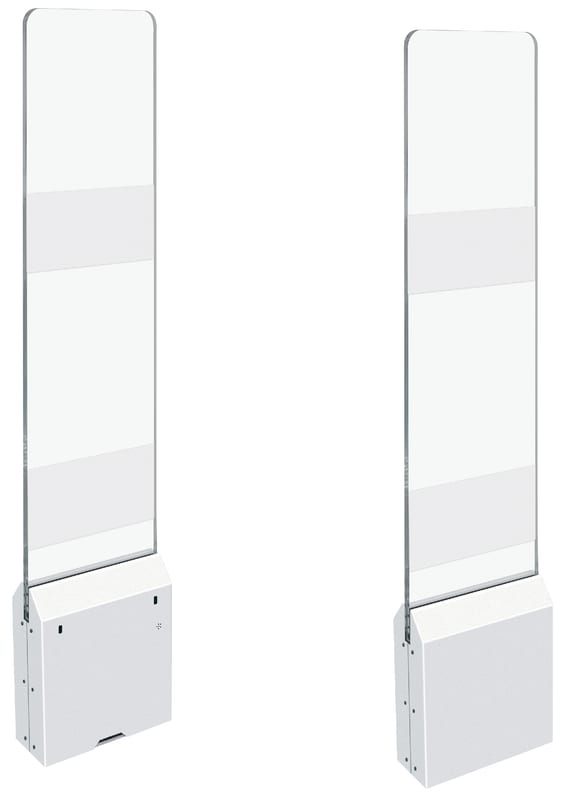
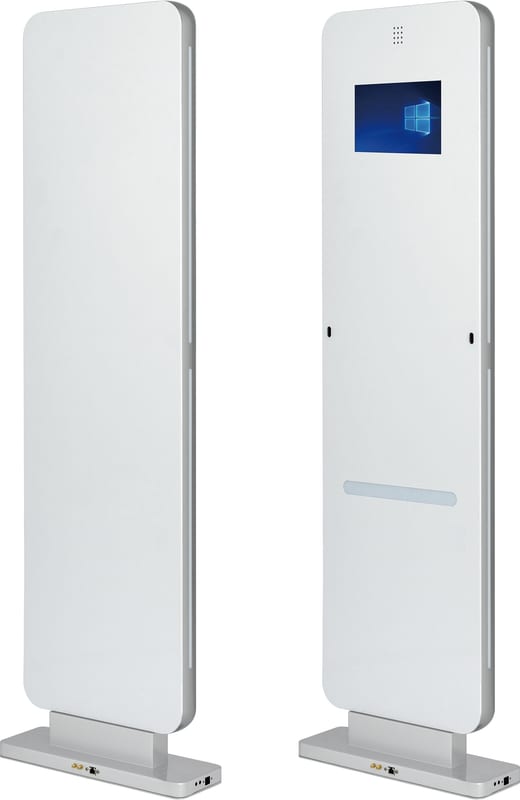
Ein RFID-Tor erledigt Aggregation und Verifikation in Sekunden pro Palette. Das ist das regulatorische Argument, und es ist stärker als das Personalargument.
Serialisierung und Temperatur: zwei verschiedene Datenströme
Gestalten Sie sie getrennt, sonst wird der Prüfpfad mehrdeutig.
- Identitätsstrom: EPC oder SGTIN, Kommissionierungsereignis, Aggregationshierarchie, Verwahrungsübergänge. Geringes Volumen, hohe Integritätsanforderung, lange Aufbewahrung.
- Zustandsstrom: Sensorwerte mit Zeitstempel, Abtastintervall, Kalibrierreferenz, Abweichungsereignisse. Höheres Volumen, und er muss einen ausgefallenen Leser überstehen.
- Die Verknüpfung: Beide Ströme müssen dieselbe Einheiten- oder Kistenkennung referenzieren, damit ein Inspektor von einem Temperaturdiagramm zu den betroffenen Seriennummern gelangt.
Nutzen Sie einen Datenlogger mit eigenem Speicher für den Zustandsstrom. Verlassen Sie sich nicht auf die RFID-Lesung, um die Temperaturhistorie zu rekonstruieren; war der Leser offline, ist die Historie weg.
Etikettenwahl: Identität oder Sensorik
Drei Optionen mit sehr unterschiedlichem Kosten- und Zuverlässigkeitsprofil.
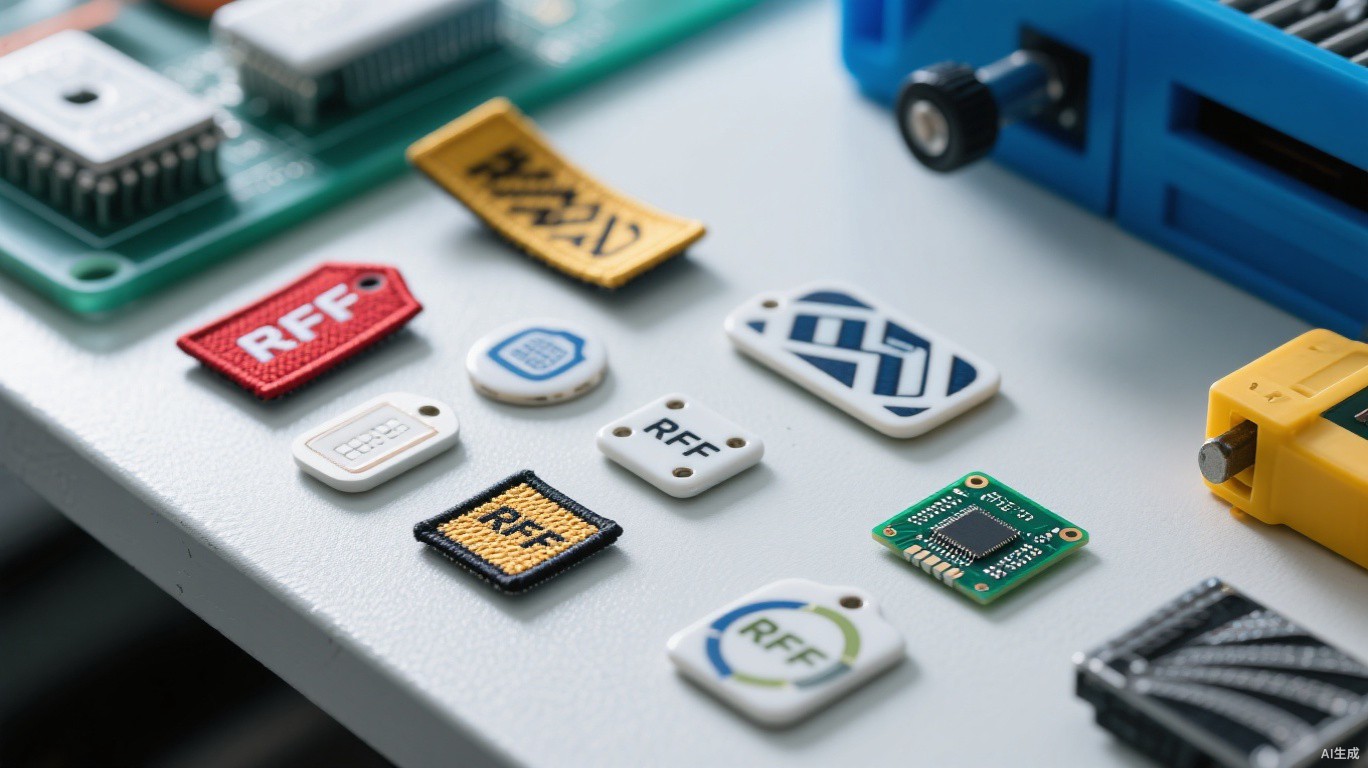
- Passives Identitätsetikett (UHF): Cents. Liefert Serialisierung und Aggregation. Keine Temperaturdaten.
- Passives Sensor-Etikett mit Temperatursensor und Speicher: ein bis mehrere Dollar. Zeichnet eine Zeit-Temperatur-Kurve auf, die später am Tor gelesen wird, ohne Batterie.
- Aktiver oder BLE-Logger: Dutzende Dollar. Echtzeit-Sichtbarkeit und große Reichweite, aber Batterien, Kalibrierung und Entsorgung erhöhen Kosten und Validierungsaufwand.
Für die meisten pharmazeutischen Logistikketten ist die praktische Kombination ein passives Identitätsetikett für die Serialisierung plus ein validierter Datenlogger je Sendung für den Temperaturnachweis, dessen ID in der Aggregationshierarchie mitgeführt wird.
Lesen im Tiefkühler: Physik und die Dreißig-Sekunden-Regel
Kühlkettenlesen ist ein Innenraum-RFID-Problem mit zwei zusätzlichen Randbedingungen.
- Reif und Eis: Kondensation am Antennenradom verstimmt es und dämpft das Signal. Beheizte Radome oder eine Antenne außerhalb des Kühlraums hinter einem Fenster sind Standardlösungen.
- Metallregale und Folienverpackung: Viele pharmazeutische Versandbehälter sind aluminiumkaschiert und blockieren UHF vollständig. In diesem Fall lesen Sie beim Packen und Entpacken, nicht durch den Behälter.
- Die Dreißig-Sekunden-Regel: Eine Palette, die den Tiefkühler verlässt, muss innerhalb von dreißig Sekunden gelesen werden, bevor sich Oberflächenkondensat bildet. Gestalten Sie das Tor um diese Regel, nicht um die Bequemlichkeit.
- Temperaturhomogenität ist nicht Lesesicherheit: Eine Zone kann thermisch perfekt und elektromagnetisch katastrophal sein.
Abweichungsbehandlung: vom Alarm zur Entscheidung
Eine Abweichung ist kein Ereignis, sondern ein Entscheidungsprozess, und das System muss ihn ganz tragen.
- Erkennen: Schwellenverletzung mit Dauer und Ausmaß, nicht nur ein boolescher Alarm.
- Charakterisieren: wie lange, wie weit außerhalb, welche Serien waren zu dem Zeitpunkt in der Sendung.
- Bewerten: Stabilitätsdaten entscheiden, ob das Produkt noch verwendbar ist; das ist eine Entscheidung von Apotheker oder QA, nicht von Software.
- Disponieren: Quarantäne, Freigabe oder Vernichtung, mit dokumentiertem Grund und aktualisierten Serien.
- Lernen: Das Abweichungsmuster ist meist ein Verpackungs- oder Routingproblem und sollte in die nächste Versandgestaltung einfließen.
Datenintegrität und Prüfpfad
In einer regulierten Umgebung zählt der Nachweis so viel wie die Messung.
- ALCOA-Prinzipien: zuordenbar, lesbar, zeitnah, original, korrekt. Jeder RFID-abgeleitete Datensatz muss wer, wann, welches Gerät tragen.
- 21 CFR Part 11 und EU-GMP-Anhang 11: Zugriffskontrolle, nicht editierbare Prüfpfade und elektronische Signaturen, wo der Workflow sie verlangt.
- Validierung: Das RFID-System ist ein computergestütztes System und braucht IQ/OQ/PQ, mit nachgewiesener Lesequote gegen ein definiertes Abnahmekriterium.
- Aufbewahrung: Serialisierungsunterlagen überleben das Produkt meist um Jahre; dimensionieren Sie den Speicher darauf, nicht auf das Dashboard.
Eine Einführungsreihenfolge für eine qualifizierte Umgebung
- Stufe eins: nur Serialisierung und Aggregation am Versandpunkt des Herstellers.
- Stufe zwei: Empfangsverifikation beim Distributor, mit vor dem Start definierter Ausnahmenbehandlung.
- Stufe drei: Integration des Temperaturloggers in denselben Rückverfolgbarkeitsdatensatz.
- Stufe vier: Verifikation in Klinik oder Apotheke, sobald die vorgelagerten Daten sauber belegt sind.
- Stufe fünf: Rückrufsimulation als Übung, mit gemessener Zeit bis zur Identifikation der betroffenen Serien.
Fazit
Kühlketten-RFID ist ein Compliance-Projekt mit Effizienzdividende, nicht umgekehrt. Gestalten Sie entsprechend.
- Trennen Sie Identitäts- und Zustandsstrom und verknüpfen Sie sie über dieselbe Kennung.
- Passive Etiketten für die Serialisierung, validierte Logger für die Temperatur; verlangen Sie nicht, dass ein Gerät beides schlecht macht.
- Lösen Sie Reif, Folie und die Dreißig-Sekunden-Regel, bevor Sie Torleistung versprechen.
- Machen Sie die Abweichung zu einer dokumentierten Entscheidung mit benanntem Verantwortlichen.
- Beweisen Sie die Kette mit einer Rückrufübung, nicht mit einer Folie.
Ein Inspektor fragt nicht, wie viele Etiketten Sie pro Sekunde lesen. Er fragt, welche Serien betroffen waren und woher Sie das wissen.