Eine Sortieranlage wird an einer Zahl gemessen: wie viele Pakete pro Stunde in der richtigen Rinne ankommen. Alles andere — Lesegerät, Antennenzahl, Inlay — dient dieser Zahl. Die meisten enttäuschenden RFID-Sortierprojekte scheitern nicht an falschen Lesegeräten. Sie scheitern daran, dass die Leseentscheidung an einer Stelle platziert wurde, an der sie nicht gewonnen werden kann, oder daran, dass niemand definiert hat, was geschehen soll, wenn ein Paket gar nicht gelesen wird.
Sortierung ist ein RFID-Problem, kein Barcode-Problem
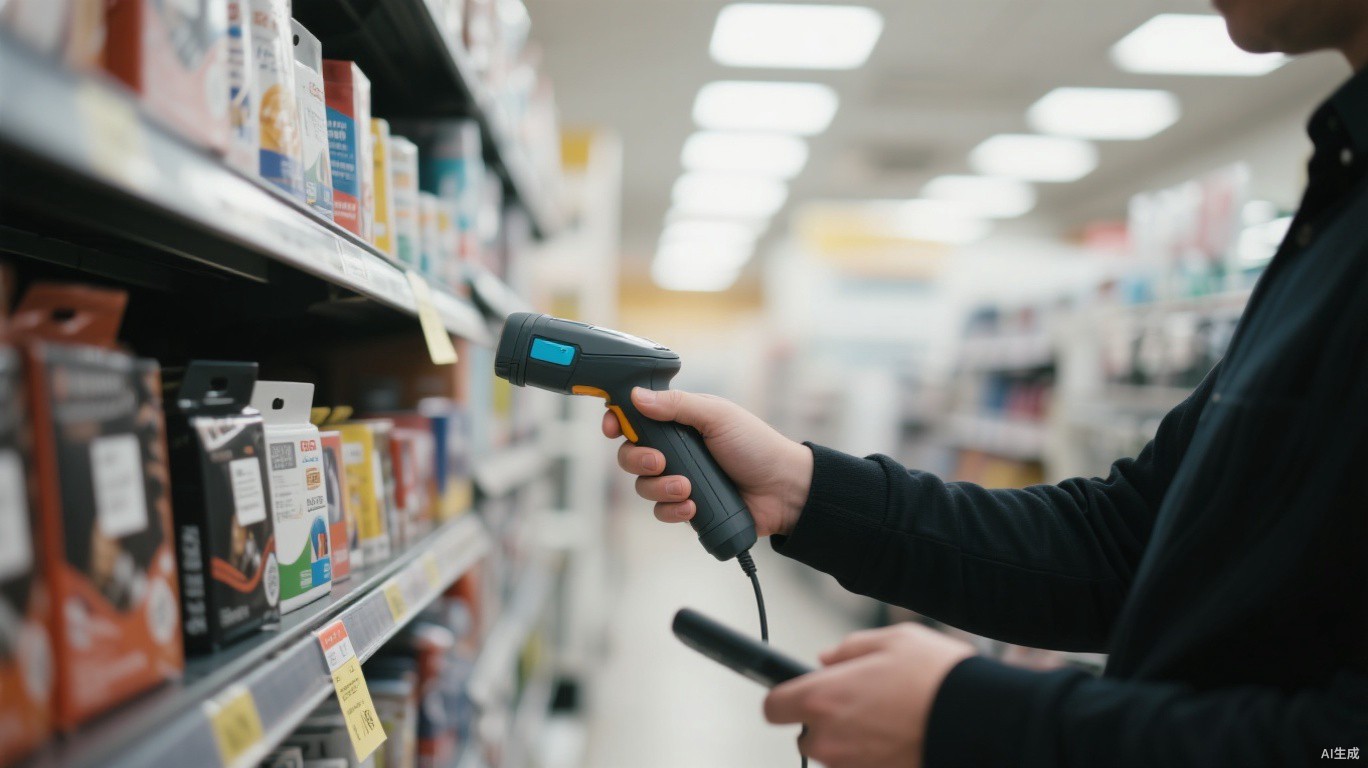
Manuelles Scannen an der Aufgabe begrenzt den Durchsatz auf das Tempo des langsamsten Mitarbeiters und erzeugt eine Fehlerquote, die mit der Müdigkeit wächst.
- Eine manuelle Aufgabeposition hält bei guten Etiketten vielleicht 900 bis 1.200 Pakete pro Stunde, bei zerknitterten Versandtaschen deutlich weniger.
- Die Barcode-Leserate auf weichen Versandtaschen, Rohren und schrumpffolierten Mehrfachpackungen ist die schwächste Stelle der ganzen Linie, und sie versagt genau dort, wo das Volumen am höchsten ist.
- Jede Fehllesung wird zur manuellen Ausnahme am Bandende, dem teuersten Ort im Gebäude für jede Reparatur.
- RFID verlagert die Identifikation nach vorn: Das Paket wird im Tunnel gelesen, bevor es den Sorter erreicht, sodass die Sortierentscheidung bereits gefallen ist, wenn es ankommt.
Der Tausch ist real. RFID kostet pro Paket mehr als ein gedrucktes Etikett und rechnet sich nur, wenn es manuelle Aufgabe entlastet und Fehlsortierungen reduziert.
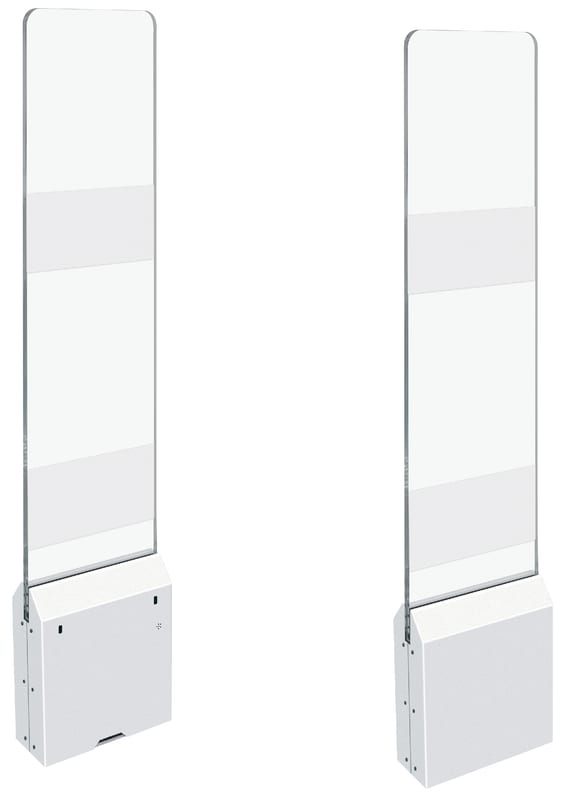
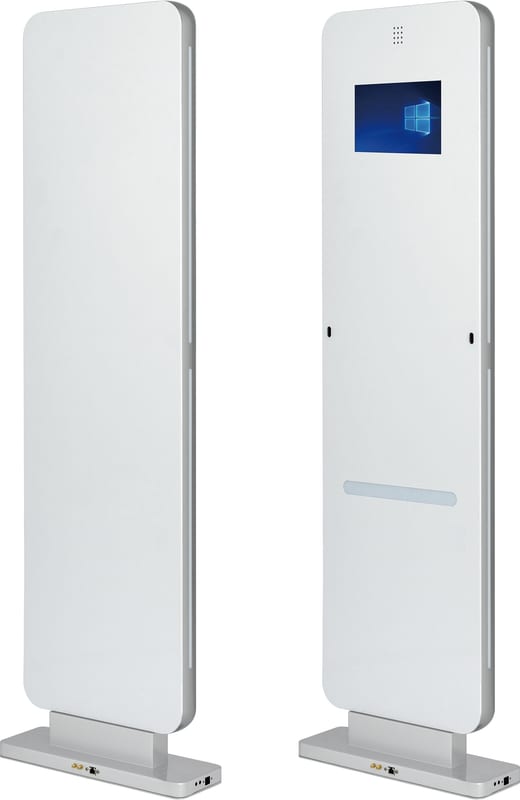
Der Lesetunnel: Geometrie vor Leistung
Der häufigste Designfehler ist, die Leistung zu erhöhen, um einen falsch gebauten Tunnel auszugleichen.
- Die Tunnellänge sollte bei Linien geschwindigkeit mindestens drei bis fünf Lesegelegenheiten pro Paket bieten. Bei 2,5 Metern pro Sekunde sind zwei Meter Tunnel weniger als eine Sekunde Exposition — grenzwertig.
- Antennen sollten das Paket aus mindestens zwei Richtungen erfassen, denn ein flaches Etikett an einer Kartonwand ist von der Seite, an der es klebt, unsichtbar.
- Richten Sie Antennen nicht auf die Bandoberfläche. Die Reflexion von Band und Metallrahmen dominiert das Feld und macht die Lesegeräte unempfindlich.
- Nutzen Sie geschirmte Tunnel mit Absorberplatten am Rahmen. In einer Sortierhalle bewegen sich Dutzende Lesegeräte und Hunderte Etiketten, und ein ungeschirmter Tunnel liest die Pakete der Nachbarlinie.
- Stellen Sie das Lesegerät in der Inbetriebnahme so ein, dass es bei jedem Durchlauf jedes Etikett meldet, und ziehen Sie die Filter danach an. Man kann nicht justieren, was man nicht sieht.
- Denken Sie an die Toleranz der Etikettenorientierung: Ein Paket, das die Rinne hinunterkullert, kann das Etikett kantig zeigen, und keine Leistung behebt einen Projektionswinkel von null.
Das Ziel am Tunnelausgang ist eine Leserate über 99,5 Prozent im ersten Durchlauf, gemessen über mindestens 100.000 Pakete — nicht über eine Vorführung mit 200.
Die Etikettenplatzierung ist eine Verpackungsentscheidung
In einem Paketnetz klebt der Versender oder der Hub das Etikett, und die Platzierung ist selten kontrolliert.
- Legen Sie eine Zone auf der größten ebenen Fläche fest, mindestens 50 Millimeter von Metallkanten, Batterien und Flüssigkeitsbehältern entfernt.
- Verwenden Sie für Versandtaschen Etiketten mit flexiblem Inlay und schreiben Sie vor, dass sie ohne Knick über der Antenne aufgebracht werden.
- Für wiederverwendbare Kunststoffboxen montieren Sie ein Hartetikett in einer versenkten Tasche. Ein oberflächenmontiertes Etikett wird binnen Wochen durch Stöße und Waschen zerstört.
- Testen Sie den schlechtesten Fall, nicht den Durchschnitt: ein Karton voller Flüssigkeit, eine Kiste mit Metallteilen, ein Paket mit alukaschierter Isolierung.
- Geben Sie Versendern ein kleines Prüfset und ein dokumentiertes Platzierungsbild. Eine Platzierungsanleitung ist billiger als eine Nacharbeitstation.
- Wenn das Netz die Platzierung nicht kontrollieren kann, bauen Sie den Tunnel so, dass er sie toleriert, und akzeptieren Sie eine niedrigere Erstleserate mit einem schnellen Wiederherstellungspfad.
Der Pfad für Nichtlesungen ist das Design
Jeder Sorter hat einen Pfad für Nichtlesungen, ob er entworfen wurde oder nicht. Wurde er nicht entworfen, ist es das Standardverhalten der Maschine, meist Ausschleusrinne und manuelle Erfassung.
- Definieren Sie die Aktion ausdrücklich: Ausschleusen in eine Ausnahmespur, einmalige Rezirkulation oder Anhalten für eine zweite Lesung.
- Rezirkulation ist attraktiv, muss aber begrenzt sein. Ein Paket, das dreimal kreist, verbraucht Sortierkapazität, die das Durchsatzmodell nie eingeplant hat.
- Die Ausnahmespur braucht eine Person, einen Bildschirm und einen Scanner, dimensioniert auf die erwartete Nichtleserate — in einem gut geführten Netz typisch 0,3 bis 1 Prozent.
- Jede Nichtlesung sollte mit Paketbild, Tunnel, Zeitstempel und Lesegerätdiagnose protokolliert werden. Ohne das ist die Ursache unbekannt und die Rate fällt nie.
- Lassen Sie den Sorter-Controller nicht stillschweigend raten. Ein geratener Abwurf ist eine Fehlsortierung mit Verzögerung, und Fehlsortierungen kosten weit mehr als Ausnahmen.
Aufgabe, Vereinzelung und das Zeitbudget
RFID beseitigt die Notwendigkeit der Vereinzelung nicht, es verschiebt die Randbedingung.
- Pakete müssen weiterhin so weit getrennt sein, dass der Tunnel sie einzeln liest, sonst erhält der Sorter einen Stapel Identitäten für eine Position.
- Werden zwei Pakete gemeinsam gelesen, muss der Controller entscheiden, welches welches ist. Diese Entscheidung ist geraten, sofern der Tunnel keine Position auflösen kann, was die meisten nicht können.
- Das Budget von Tunnelausgang bis Abwurf liegt typisch bei 300 bis 800 Millisekunden. Lesegerätfilter, Middleware und WMS-Abfrage zehren daran.
- Führen Sie die WMS-Abfrage lokal mit einer zwischengespeicherten Routentabelle durch. Ein Rundlauf zum zentralen Server pro Paket passt zu Spitzenzeiten nicht ins Budget.
- Zeitstempeln Sie am Lesegerät und am Controller. Uhrversatz zwischen beiden ist der übliche Grund, warum eine korrekte Lesung einen verspäteten Abwurf erzeugt.
Cross-Belt, Hubrollen und Schubschuh
Der Sortertyp ändert, wo gelesen werden muss, nicht ob.
- Cross-Belt-Sorter führen Pakete in Schalen, und ein Etikett an der Schalenunterseite ist oft ein besseres Leseziel als das Paketetikett. Schalenidentität funktioniert, wenn die Bindung Schale zu Paket bei der Aufgabe erzwungen wird.
- Hubrollen und Radabweiser kommen mit unregelmäßigen Formen zurecht und sind sanfter zu weichen Versandtaschen, präsentieren das Paket aber in wechselnden Winkeln, was einen längeren Tunnel verlangt.
- Schubschuh-Sorter laufen mit hoher Geschwindigkeit und kurzem Takt, sodass physisch kaum Platz für einen Tunnel bleibt. In diesen Linien wird meist nur bei der Aufgabe gelesen.
- Unabhängig vom Typ muss der Abwurfbefehl idempotent sein. Eine doppelte Lesung darf keinen doppelten Abwurf erzeugen.
- Schalen- und Schubschuhlinien sollten einen Abgleichbericht unterstützen, der aufgabene Identitäten und abgeworfene Identitäten am Schichtende pro Rinne vergleicht.
Integration in WMS und Sorter-Controller
- Halten Sie die Leseschicht dumm und die Routinglogik im WMS oder in der Middleware. Sortierregeln in der Firmware werden binnen eines Jahres unwartbar.
- Senden Sie ein kompaktes Ereignis an den Controller: Etikettenidentität, Tunnel, Zeitstempel, Leseanzahl und, falls verfügbar, einen Konfidenz- oder Signalwert.
- In Odoo lassen sich Ein- und Auslagerungen über eine Middleware-Warteschlange durch Scanereignisse treiben, aber schreiben Sie keine Lagerbewegungen direkt aus der SPS. Nutzen Sie eine validierte Warteschlange mit Replay und Deduplizierung.
- Die Zielzuordnung sollte dem WMS gehören, weil die Rinnenbelegung mit Carrier-Annahmeschluss und Wellenplänen mehrmals täglich wechselt.
- Schreiben Sie das Abwurfergebnis zum Leseereignis zurück. Ohne Ergebnis messen Sie Lesungen, nicht Sortierung.
Inbetriebnahme und Abnahme
- Lassen Sie den Tunnel eine Woche nur protokollieren, bevor Sie einen Abwurf aktivieren. Ermitteln Sie Basis-Leserate und die zehn häufigsten Ursachen für Nichtlesungen.
- Testen Sie mit der echten Mischung: kleinste Versandtasche, schwerster Karton, Flüssigkeitspack, metallhaltige Kiste.
- Messen Sie bei drei Geschwindigkeiten, einschließlich der Auslegungsspitze, nicht der bequemen.
- Prüfen Sie den Pfad für Nichtlesungen durchgängig mit absichtlich unetikettierten Paketen und kontrollieren Sie, dass die Ausnahme in der erwarteten Zeit auf dem Bedienbildschirm erscheint.
- Prüfen Sie Fehlsortierungen getrennt von Nichtlesungen und gleichen Sie beide Zählungen jede Schicht mit dem Rinnenbericht ab.
Der Unterschied zwischen einer guten und einer hervorragenden Sortierlinie liegt selten im Lesegerät. Er liegt in der Disziplin zu wissen, wohin das nicht gelesene Paket geht, und in Personal, Bildschirm und Prozess, die vor der ersten Spitzensaison bereitstehen.