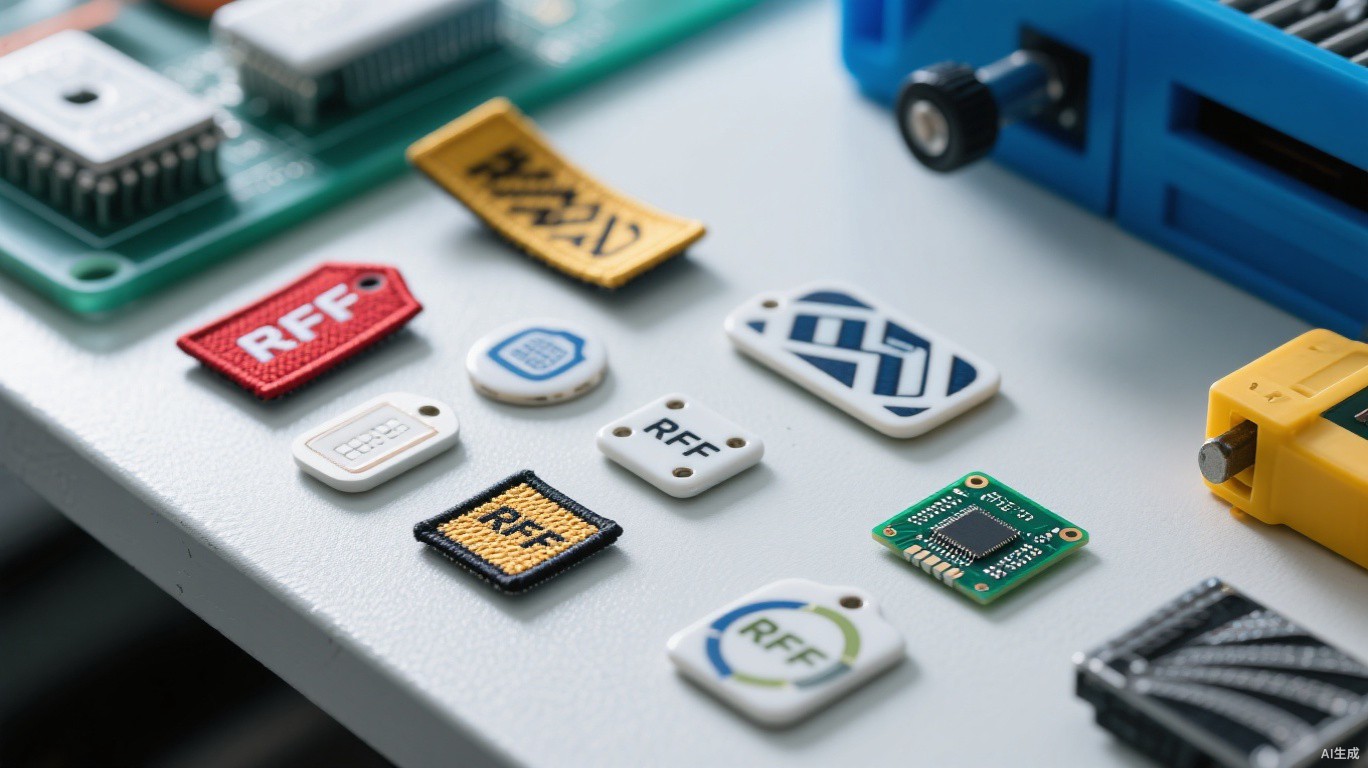
Bibliotheks-RFID-Projekte werden fast immer über Selbstbedienung verkauft: Leser verbuchen selbst, Schlangen verschwinden, die Theke atmet. Das ist real, aber selten sitzt dort das Geld. In den meisten Bibliotheken kommt der Return aus zwei weniger glamourösen Orten: der Regalrevision, die niemand gern macht und die deshalb immer zurückliegt, und den Personalstunden, die nicht mehr für repetitive Transaktionen draufgehen.
Die Technologieentscheidung dagegen ist wirklich folgenreich. HF und UHF sind keine zwei Geschmacksrichtungen derselben Sache; sie erzeugen unterschiedliche Abläufe, unterschiedliche Kosten und unterschiedliche Sicherheitsmodelle, und die Entscheidung ist schwer umzukehren, wenn erst zehntausend Exemplare etikettiert sind.
Wo Bibliotheks-RFID wirklich Geld spart
Modellieren Sie die Nutzenzeilen ehrlich, bevor Sie Hardware wählen.
- Selbstverbuchungsdurchsatz: Ausgaben und Rückgaben pro Stunde verdoppeln oder verdreifachen sich gegenüber einer bedienten Theke, und zu Spitzenzeiten reicht weniger Personal.
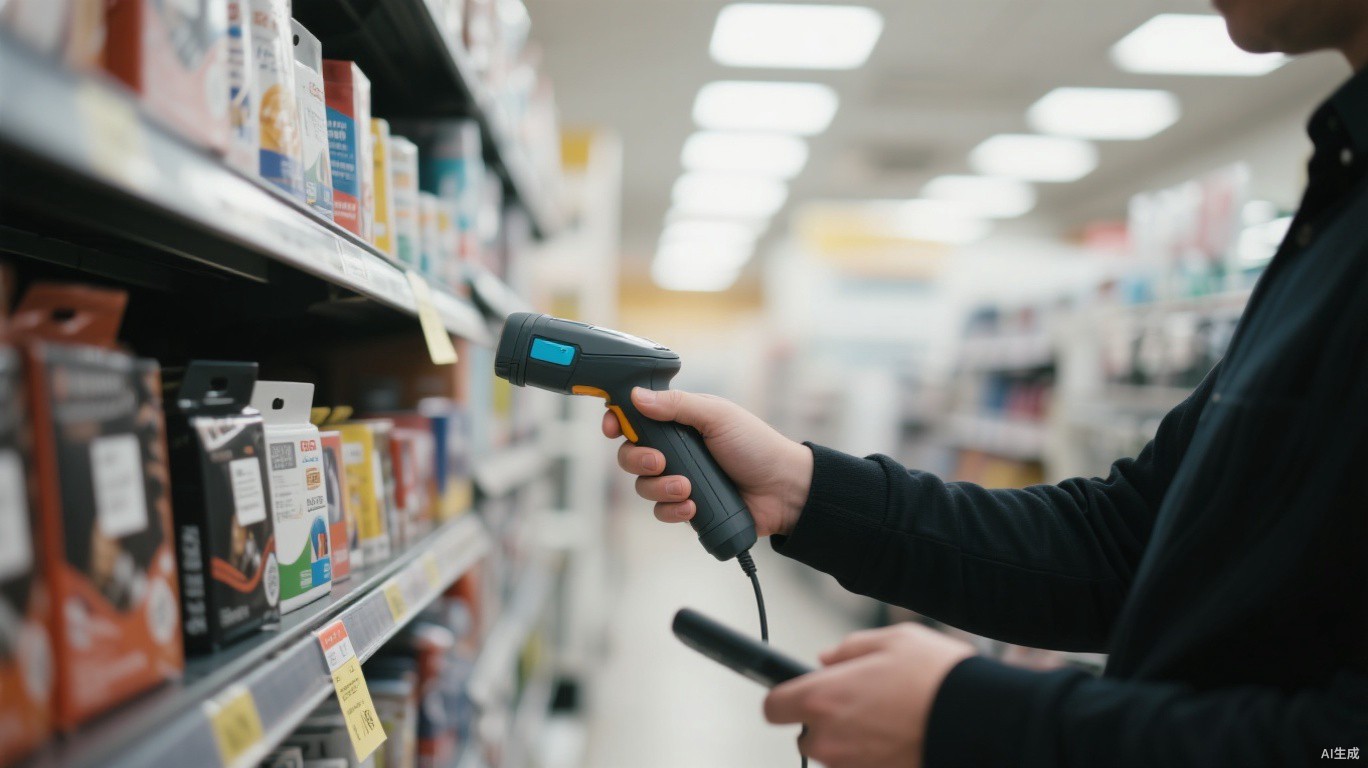
- Regalrevision: Ein Rundgang mit dem Handgerät über ein Regal dauert Minuten, wo das manuelle Lesen der Signaturen Stunden kostet. Fast jede Bibliothek entdeckt, dass ein Drittel der Exemplare falsch steht.
- Inventur: Die Jahreszählung, die die Bibliothek tagelang schloss, wird zur rollierenden Aufgabe.
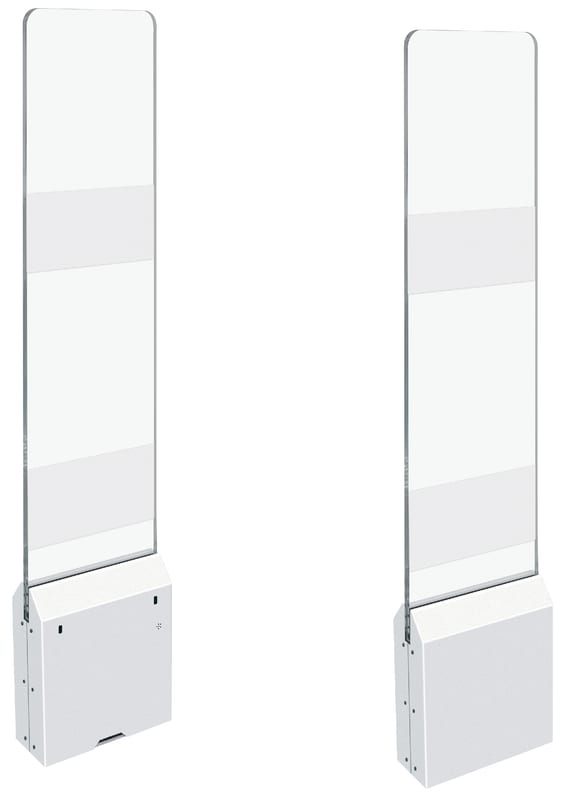
- Sicherheit: Dasselbe Etikett trägt Ausleihe und Sicherungsfunktion, also keine separate EM-Streifen und keine zweite Toranlage.
- Rückgabebearbeitung: Eine 24-Stunden-Rückgabebox wird möglich, was Studierenden mehr bedeutet, als die Bibliothek meist annimmt.
Der Etikettpreis ist nicht entscheidend. Die Konvertierungsarbeit ist es. Bei 80.000 Exemplaren ist die körperliche Arbeit des Etikettierens, Verknüpfens und Prüfens der dominierende Projektkostenblock, und sie wird einmal bezahlt.
HF oder UHF: die Entscheidung, die das nächste Jahrzehnt prägt
- HF mit 13,56 MHz, ISO 15693, ist der bibliotheksspezifische Standard. Ausgereift, in Innenräumen ruhig, gut durch Bibliotheksanbieter unterstützt und mit einem definierten Sicherheitsmodell über AFI- und EAS-Bits.
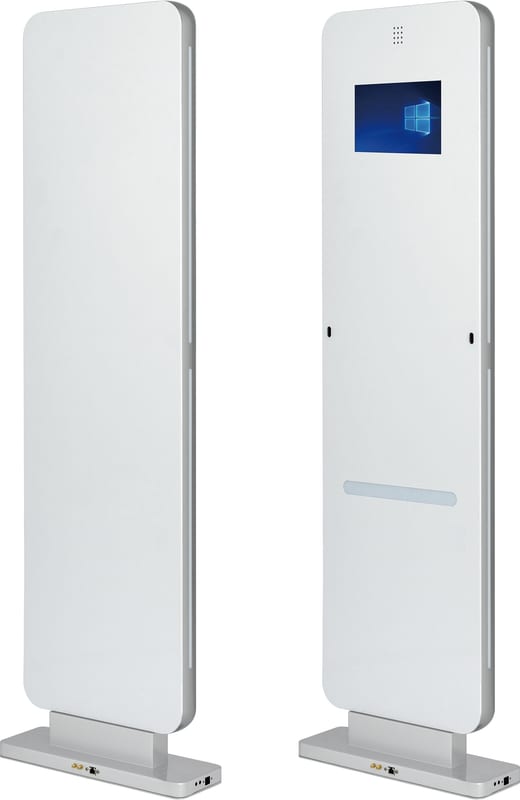
- UHF mit 865–928 MHz, Gen2, liest schneller und weiter, kostet pro Etikett weniger und ist die einzige praktische Wahl für Regalrevision im großen Maßstab mit Zehntausenden Exemplaren.
- UHF verlangt sorgfältigere Platzierung der Lesegeräte, weil es durch Wände liest statt auf wenige Zentimeter begrenzt zu sein.
- HF ist konstruktiv begrenzt, was an einer Tür ein Sicherheitsvorteil und am Regal eine Einschränkung ist.
Die praktische Regel: Eine einzige Stadtbibliothek mit moderatem Bestand und starkem Sicherheitsbedarf ist mit HF gut bedient. Eine Universitätsbibliothek, ein Verbund oder ein Bestand über etwa 100.000 Exemplare, wo Regalrevision der Hauptschmerz ist, gewinnt mehr mit UHF. Ein gemischter Bestand — einige Zweigstellen HF, ein Zentrallager UHF — ist machbar, verdoppelt aber die Hardwarekompetenz, die Sie vorhalten müssen.
Etikettenprogrammierung: AFI, EAS und das Sicherheitsbit
Hier verliert ein Projekt leise Wert. Das Etikett ist ein kleiner Computer mit Zustand, und ist der Zustand falsch, ignoriert das Tor ein gestohlenes Buch oder schreit bei einem ausgeliehenen.
- Nutzen Sie das AFI-Byte für den Ausleihzustand: im Regal, ausgeliehen, im Transit, in Reparatur, ausgesondert.
- Nutzen Sie das EAS-Bit als Torauslöser, und setzen Sie es beim Ausleihen und Rückgeben ausdrücklich, nicht als Nebenwirkung eines anderen Schreibvorgangs.
- Programmieren Sie die Exemplarkennung im Standarddatenmodell, das Ihr ILS erwartet; erfinden Sie keine private Kodierung, die Ihr Nachfolger rückentwickeln muss.
- Schreiben und verifizieren Sie im selben Vorgang. Ein Etikett, das geschrieben aber nicht geprüft ist, ist eine künftige Ausnahme ohne Verantwortlichen.
- Sperren Sie EPC und AFI nach der Verifikation, halten Sie aber das EAS-Bit schreibbar, weil es sich bei jeder Transaktion ändert.
Tore sollten auf Zustand alarmieren, nicht nur auf Anwesenheit: Ein Exemplar, das ausgeliehen hinausgeht, ist ein legitimer Ausgang, und ein Tor, das dabei alarmiert, wird innerhalb eines Monats abgeschaltet.
Selbstbedienung und die Bibliothek ohne Personal
Selbstbedienung ist das sichtbare Produkt und verändert den Personaleinsatz mehr als die Kosten.
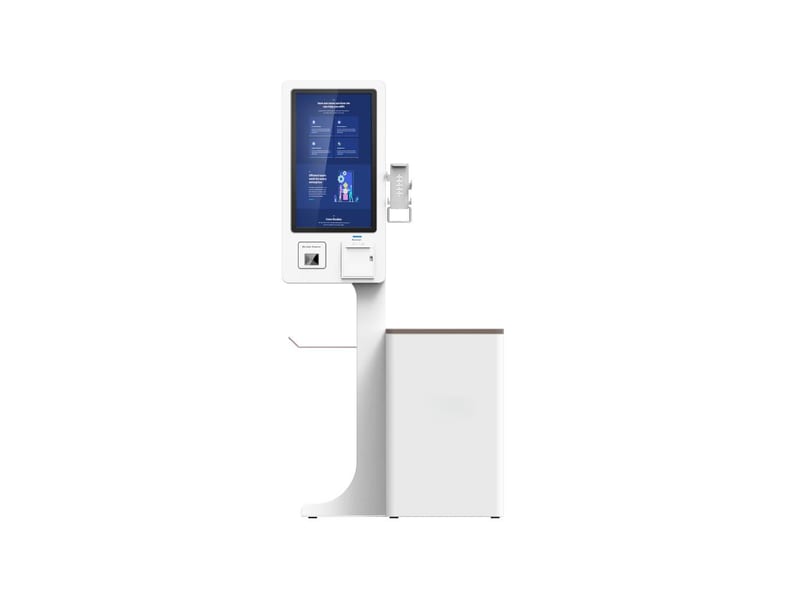
- Stellen Sie Kioske dorthin, wo tatsächlich ausgeliehen wird, also nahe Eingang und Rückgabe, nicht in die Ecke, die dem Architekten passt.
- Unterstützen Sie die vollständige Transaktion: Ausleihen, Rückgabe, Verlängern, Gebühren zahlen und einen Ausweichweg, wenn der Nutzer keinen Ausweis hat. Halbfertige Selbstbedienung erzeugt dieselbe Schlange, einen Meter weiter links.
- Entwerfen Sie für den 30-Sekunden-Fehlschlag. Wer eine Transaktion nicht abschließen kann, braucht einen klaren Weg zum Menschen, sonst wird der Kiosk zum Hindernis.
- In personalarmen Zeiten müssen Zutrittskontrolle, Kiosk und Tor dieselbe Wahrheitsquelle teilen. Eine Tür zu öffnen ist keine Sicherheitsentscheidung, wenn das Tor nicht weiß, dass es geschehen ist.
Regalrevision und Inventur mit dem Handgerät
Das ist der Vorgang, der die Kultur der Bibliothek verändert, weil er eine unbeherrschbare Aufgabe zur Routine macht.
- Definieren Sie Bereiche klein genug für eine Sitzung. Ein Bereich, der zwei Stunden braucht, wird übersprungen.
- Vergleichen Sie die Lesungen mit der erwarteten Reihenfolge und erzeugen Sie eine kurze Ausnahmeliste: falsch gestellt, fehlend, unbekannt, ausgeliehen aber vorhanden.
- Planen Sie nach Ausnahme, nicht nach Kalender. Reparieren Sie den Bereich, der driftet, nicht das ganze Stockwerk.
- Halten Sie an der Theke eine Rolle vorprogrammierter Leeretiketten bereit. Ein gefundenes unbekanntes Exemplar in dreißig Sekunden neu zu etikettieren, ist das, was den Ablauf überleben lässt.
Rückgabe, Sortierung und die 24-Stunden-Box
- Eine Rückgabebox mit internem Lesegerät erfasst die Rückgabe im Moment der Einlage, was der Nutzer erwartet und was die Gebührenberechnung braucht.
- Sortierautomatisierung lohnt erst oberhalb eines bestimmten Volumens. Unter etwa tausend Rückgaben pro Tag ist manuelle Sortierung mit geführter Liste billiger und einfacher.
- Die Genauigkeit beim Zurückstellen zählt mehr als die Sortiergeschwindigkeit: Ein zurückgegebenes, aber nicht eingestelltes Buch ist praktisch verloren.
Anbindung ans ILS: SIP2, NCIP und die Warteschlange
- SIP2 ist der pragmatische Standard und wird von fast jedem ILS unterstützt, auch Koha und den meisten kommerziellen Systemen. Es ist alt, textbasiert und zuverlässig.
- NCIP ist reicher und besser für Verbünde und für Abläufe, die Exemplarstatus jenseits der Ausleihe brauchen.
- Behandeln Sie das ILS als führendes System und die RFID-Schicht als Ereignisquelle. Lassen Sie den Kiosk niemals den maßgeblichen Exemplarstatus halten.
- Offline-Betrieb ist Pflicht: Ein Kiosk, der bei jedem Netzruckeln ausfällt, wird nach dem zweiten Vorfall nicht mehr vertraut.
Beschaffungscheckliste
- Wem gehört das Etikett-Datenmodell, und ist es in einer Datei dokumentiert, die Sie kontrollieren?
- Wie hoch sind die Konvertierungskosten pro Exemplar, einschließlich Personalzeit und Nacharbeit?
- Können Sie ein einzelnes Exemplar in unter einer Minute ohne Serviceruf neu etikettieren?
- Welcher Anbieter hat Tore, Kioske und Handgerät — und wen rufen Sie montags um acht an?
- Ist das Sicherheitsmodell als Zustandsliste dokumentiert oder als Versprechen?
- Was geschieht mit den Etiketten, wenn Sie das ILS wechseln?
Ein Bibliotheks-RFID-Projekt, das nur an der Verbuchungsgeschwindigkeit gemessen wird, gilt im zweiten Monat als Erfolg und im zweiten Jahr als Enttäuschung, wenn das Regal noch falsch steht und die Tore abgeschaltet sind. Messen Sie es an der Regalgenauigkeit, an der an die Leser zurückgegebenen Personalzeit und daran, wie gelassen das System reagiert, wenn etwas bricht.