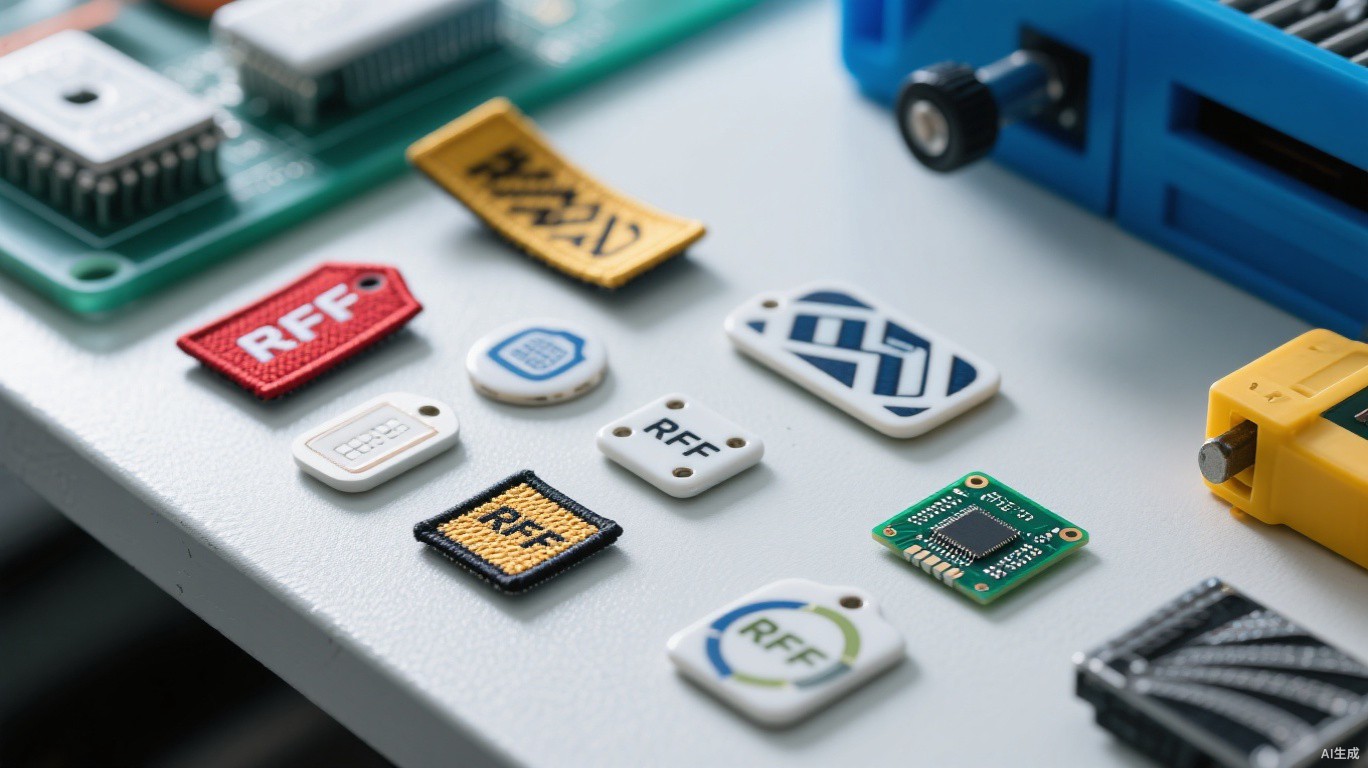
Bekleidung ist der größte RFID-Markt auf Artikel-Ebene, und der Grund ist nicht Mode, sondern Arithmetik: Ein Etikett für drei bis zehn Cent sitzt auf einem Artikel, der einzeln wertvoll, einzeln retourniert und einzeln gestohlen wird, und es übersteht jahrelang die Industriewäsche.
Derselbe EPC bedient dann fünf verschiedene Systeme — Fabrik, Distributionszentrum, Verkaufsfläche, Kasse und Retourenprozess — und deshalb funktioniert die Wirtschaftlichkeit hier und fast nirgends sonst.
Wo die Kette wirklich beginnt: Quellen-Etikettierung
Der Wert entsteht in der Fabrik, nicht im Laden. Wenn der Karton das Distributionszentrum erreicht, ist das Etikett entweder eine verlässliche Identität oder eine Last.
- Die Etikettposition millimetergenau spezifizieren, einschließlich Falte und Naht, damit der Inlay nicht geknickt oder vom Pflegeetikett beschattet wird.
- Verlangen, dass der EPC an der Quelle mit einer SGTIN geschrieben wird, die der Bestellung entspricht, und die Zuordnung im ASN validieren.
- Je Lieferung eine Stichprobe prüfen: 20 Artikel pro Kartoncharge, gelesen an einem festen Tor, Ziel über 99 %.
- Vereinbaren, wer Nacharbeit zahlt. Ein Lieferant, der weiß, dass Nacharbeit zu Ihrem Stundensatz abgerechnet wird, etikettiert richtig.
Distributionszentrum: Wareneingang, Einlagerung und die 98-%-Regel
Im Distributionszentrum zahlt sich RFID zum ersten Mal aus, weil es das Scannen pro Karton durch das Lesen pro Palette ersetzt.
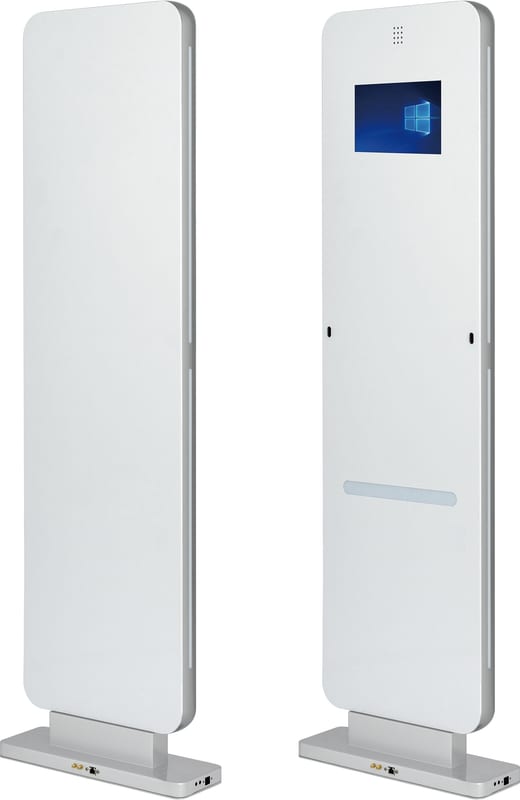
- Wareneingang: Ein Tor liest eine Palette mit 60 Kartons in unter zwei Sekunden. Die erwartete Menge kommt aus dem ASN; jede Abweichung wird zur Ausnahme statt zur manuellen Nachzählung.
- Einlagerung: Überkopfleser bestätigen, dass der Karton den richtigen Platz erreicht hat. Hier entdecken die meisten Einführungen ihren ersten Antennenblindfleck.
- Die 98-%-Regel: Liest ein Tor auf einer kontrollierten Testpalette unter 98 % der erwarteten Etiketten, stoppen Sie und reparieren Sie das Tor. Jede nachgelagerte Zahl erbt diese Fehlerquote.
- Cross-Docking: am Eingangstor und erneut am Ausgangstor lesen und abgleichen. Ein Karton, der an keinem erscheint, ist ein echtes Problem.
Lager und Verkaufsfläche: die Genauigkeit, die verkauft
Die Filialgenauigkeit ist der Nutzen, den Kunden spüren, und der am häufigsten liegen gelassene.
- Lager: Ein Handlesegerät-Durchgang durch das Lager dauert 10 bis 15 Minuten statt zwei Stunden, und er findet wöchentlich statt statt quartalsweise.
- Verkaufsfläche: Eine Stange mit 200 Teilen ist in Sekunden gelesen, was die tägliche Nachfüllprüfung realistisch macht.
- Größen und Farben: Der Wert liegt nicht in der Gesamtmenge, sondern in der Größekurve. Zu wissen, dass 40 Stück eines Modells da sind und keine mittlere Größe, ist eine andere Tatsache als 40 Stück zu wissen.
- Platzierung: Die wöchentliche Lesung findet auch falsch platzierte Artikel — ein Merchanising-Problem, das keine Planogrammprüfung erkennt.
Umkleide und Kasse: die zwei Punkte, die den ROI entscheiden
Zwei Lesepunkte tragen den Großteil der Rendite, und beide werden häufig unterdimensioniert.
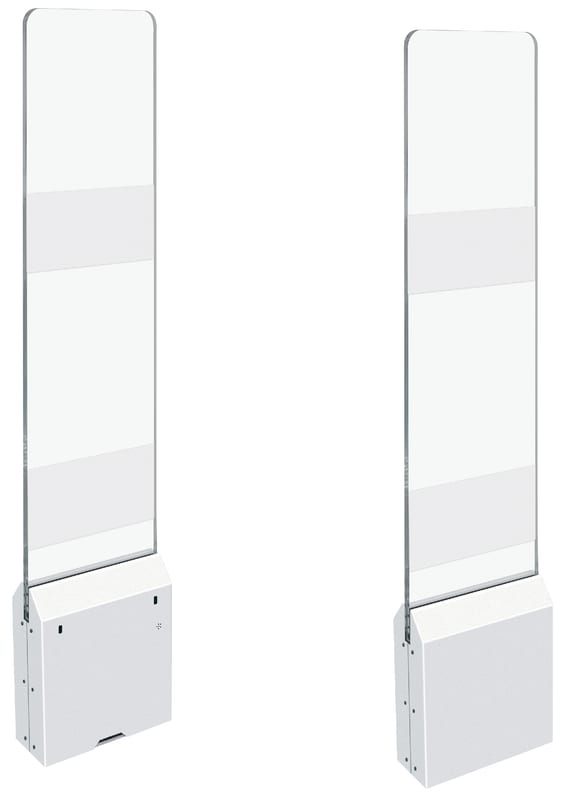
- Umkleide: Eine Antenne am Eingang zählt hinein- und hinausgehende Teile. Hinein minus verkauft ergibt Konversionsdruck und liefert dem Merchandising ein größenbezogenes Nachfragesignal.
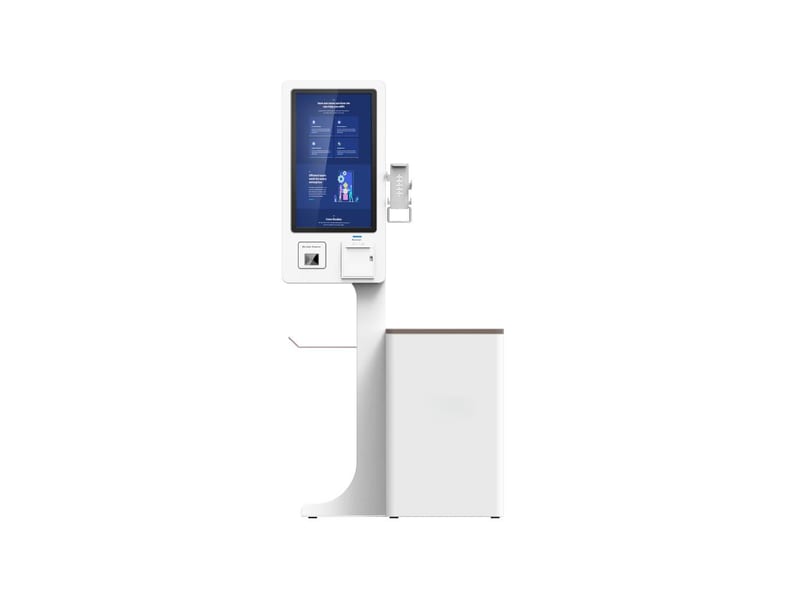
- Kasse: Derselbe EPC wird beim Verkauf deaktiviert oder entfernt, damit das Etikett nach dem Verlassen des Kunden nicht mehr lesbar ist. Das ist eine Datenschutzpflicht ebenso wie ein Bestandsschritt.
- Der Abgleich: Was die Umkleide liest und was die Kasse verkauft, muss im ERP zusammenpassen, sonst entstehen zwei konkurrierende Versionen der Wahrheit.
Retouren und Rückwärtslogistik
Retouren sind der Punkt, an dem die meisten Mode-Programme still die gewonnene Genauigkeit wieder verlieren.
- Den retournierten Artikel am Servicepunkt lesen; ein Etikett, das im Verkaufsdatensatz nicht mehr existiert, ist Betrug oder Systemfehler, und beides braucht eine Regel.
- Nur bei beschädigtem Originaletikett neu etikettieren und den neuen EPC unter derselben Artikelidentität erfassen.
- Wiederverkäufliches zurück auf die Fläche mit einem Standortereignis; alles andere in eine Dispositionswarteschlange mit Ursachencode.
- Niemals ein Etikett ohne physische Lesung in den Bestand zurückbuchen. Eine manuell getippte Retoure ist genau die Transaktion, die RFID beseitigen sollte.
Omnichannel: Ship-from-Store und ein einziger Bestandspool
Der kommerzielle Ertrag der Artikelgenauigkeit ist, dass die Filiale zum Lager wird.
- Ship-from-Store braucht eine verlässliche Verfügbarkeitszahl je Filiale, SKU und Größe; ohne sie werden Aufträge an Filialen geroutet, die nicht liefern können, und in der letzten Meile storniert.
- Die Reservierungslogik muss Transit- und Umkleidebestand berücksichtigen; ein Teil in einer Kabine ist nicht verfügbar.
- Click-and-Collect braucht eine Lesung bei der Übergabe, nicht nur einen Statuswechsel.
- Veröffentlichen Sie eine einzige Genauigkeitskennzahl über alle Kanäle, sonst führt die Finanzabteilung zwei Zahlensätze und traut keinem.
Ein stufenweiser Rollout, der nicht stecken bleibt
Die meisten Programme stecken, weil sie alle sieben Stufen in einem Release versuchen.
- Stufe eins: Wareneingang im Distributionszentrum, nur quellen-etikettierter Eingang. Eng, messbar, und sie beweist das Tor.
- Stufe zwei: ein Filialcluster mit zyklischer Inventur und Umkleide-Lesungen.
- Stufe drei: Deaktivierung an der Kasse und Retourenbearbeitung.
- Stufe vier: Omnichannel-Fulfilment, erst nachdem die Filialgenauigkeit zwei Monate in Folge das Ziel übertroffen hat.
Jede Stufe hat ein Abbruchkriterium, eine Baseline und einen benannten Verantwortlichen. Ohne Kriterium wird Stufe eins zum Dauerpiloten.
Fazit
Bekleidungs-RFID funktioniert, weil eine Kennung fünf Systeme bedient und das Etikett die erste Saison des Kleidungsstücks überlebt. Der Wert ist jedoch ungleich verteilt.
- Quellen-Etikettierung schützt alles Nachgelagerte; sparen Sie hier, erbt jede spätere Stufe den Fehler.
- Im Distributionszentrum und auf der Fläche erscheinen die messbaren Personal- und Genauigkeitsgewinne zuerst.
- Umkleide und Kasse entscheiden, ob das Programm sich selbst finanziert.
- Retouren und Omnichannel sind der Ort, an dem Genauigkeit bewahrt oder still verloren wird.
Machen Sie die Stufen der Reihe nach, messen Sie vor und nach jeder, und das Programm hört auf, ein Technologieprojekt zu sein, und wird ein Betriebsmodell für den Handel.