Gepäck ist der Teil des Flugreisens, den Passagiere mit der geringsten Information und der größten Emotion beurteilen. Ein Flug, der eine Stunde zu spät ankommt, ist eine Unannehmlichkeit; ein Koffer, der nicht ankommt, ist eine Krise, eine Schlange am Schalter und für die Airline eine Reklamation, ein Kurier und eine Hotelrechnung. Es ist zugleich der Fehler, den die Branche am präzisesten verhindern kann, weil der Weg des Koffers — anders als Wetter oder Flugsicherung — vollständig in einem System liegt, das der Betreiber kontrolliert.
Resolution 753 ist die Antwort der Branche. Sie wird oft als Pflicht zur RFID-Installation missverstanden. Das ist sie nicht. Sie verpflichtet, vier Datenpunkte pro Koffer zu erfassen und zu teilen, und RFID ist schlicht die einzige Technologie, die diese Punkte in den relevanten Volumina zuverlässig macht.
Warum Gepäck der sichtbarste Fehler der Airline ist
Die Ökonomie ist asymmetrisch. Ein fehlgeleiteter Koffer kostet die Airline weit mehr als das Etikett, das ihn verfolgt hätte, und die Kosten sind nicht nur finanziell.
- Direkte Kosten pro Fehlgepäckstück: Kurier, Ersatzunterkunft, Entschädigung und Personalzeit am Ankunftsschalter.
- Indirekte Kosten: Der erste Eindruck des Passagiers entsteht in der Gepäckhalle, nicht in der Kabine, und entsteht im schlechtesten Moment der Reise.
- Regulatorische Exposition: Mehrere Jurisdiktionen verlangen inzwischen Berichte über Fehlgepäckraten, und die Zahl ist öffentlich.
- Netzwerkeffekt: Ein am Hub verspäteter Koffer betrifft den Anschluss, den Folgefug und bei engen Umsteigezeiten den Abflug des Flugzeugs.
Der Zweck der Verfolgung ist nicht, zu wissen, wo Koffer sind, um des Wissens willen. Er ist, im Moment des Beladens zu wissen, ob dieser Koffer in dieses Flugzeug gehört — eine Entscheidung, die mehr wert ist als jeder Bericht.
Was Resolution 753 tatsächlich verlangt
Vier Erfassungspunkte, pro Koffer, pro Reise.
- Beim Check-in, wenn der Koffer angenommen und das Etikett aufgebracht wird.
- Beim Beladen, wenn der Koffer ins Flugzeug kommt.
- Beim Transit, wenn ein Koffer zwischen Flügen oder Carriern wechselt.
- Bei Ankunft, wenn der Koffer dem Passagier zurückgegeben wird.
Die Pflicht ist, die Daten zu erfassen und mit der Airline und dem nächsten Carrier zu teilen. Sie schreibt RFID nicht vor und keine Leseraten. Die praktische Erwartung der Airlines ist jedoch eine Rate, die hoch genug ist, dass die Daten vertrauenswürdig sind — faktisch über 99 % an jedem Punkt, mit Rest als Ausnahme behandelt.
Eine reine Barcode-Lösung kann den Buchstaben erfüllen und den Geist verfehlen: Laserscanner brauchen Sichtlinie, ein korrekt ausgerichtetes Etikett und einen Koffer, der nicht zu nah am Nachbarn liegt. Beim Make-up scheitert diese Kombination oft genug, dass die Daten zur Stichprobe statt zum Datensatz werden.
Platzierung der Lesegeräte: die vier Punkte, die zählen
Die Anzahl der Lesegeräte ist nicht das Ziel. Die Abdeckung an den Entscheidungspunkten ist es.
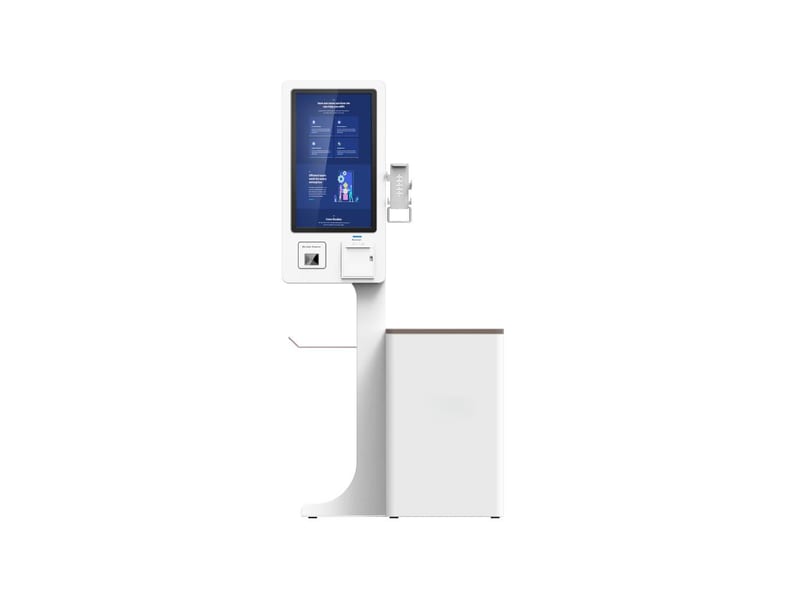
- Check-in: ein Desktop- oder Tresenlesegerät an der Gepäckannahme, das das Etikett beim Wiegen und Drucken liest. Zwei Lesegeräte pro Insel genügen meist; der Vorgang ist stationär.
- Make-up: der kritische Punkt. Setzen Sie das Lesegerät am Injektor oder am Karusselleingang, wo Koffer einzeln und vorhersehbar vorbeikommen, nicht über die ganze Make-up-Fläche, wo Lesungen mehrdeutig werden.
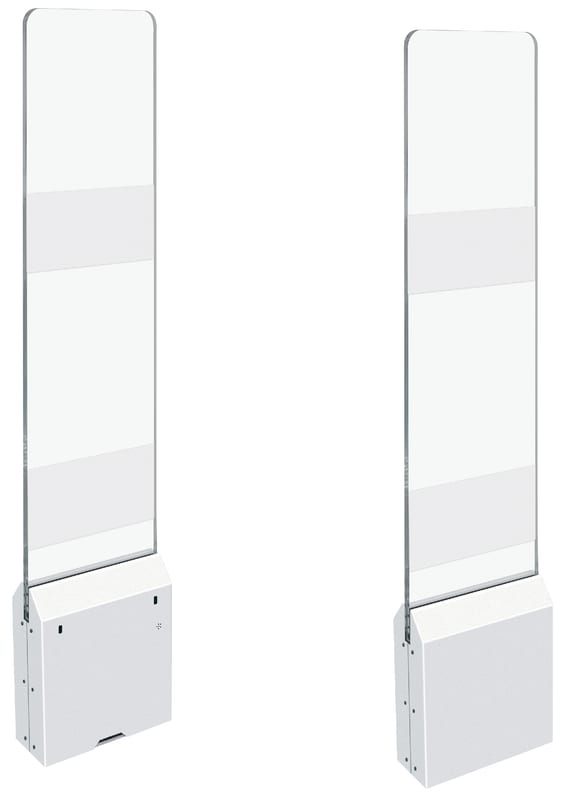
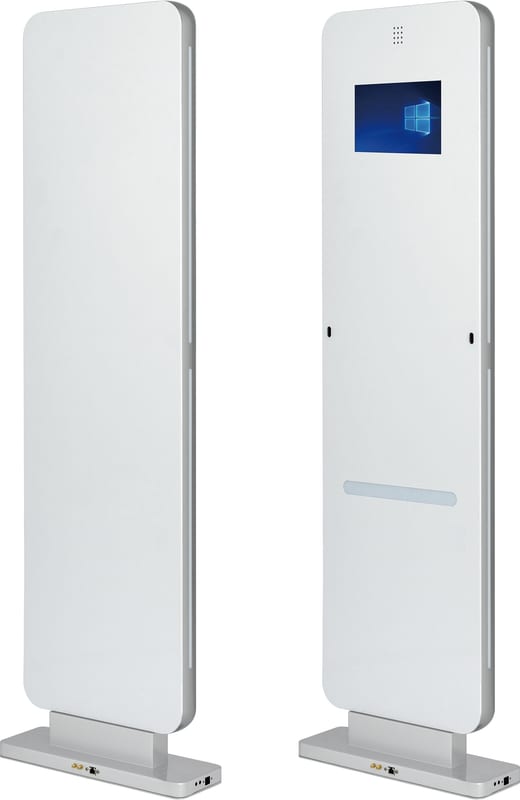
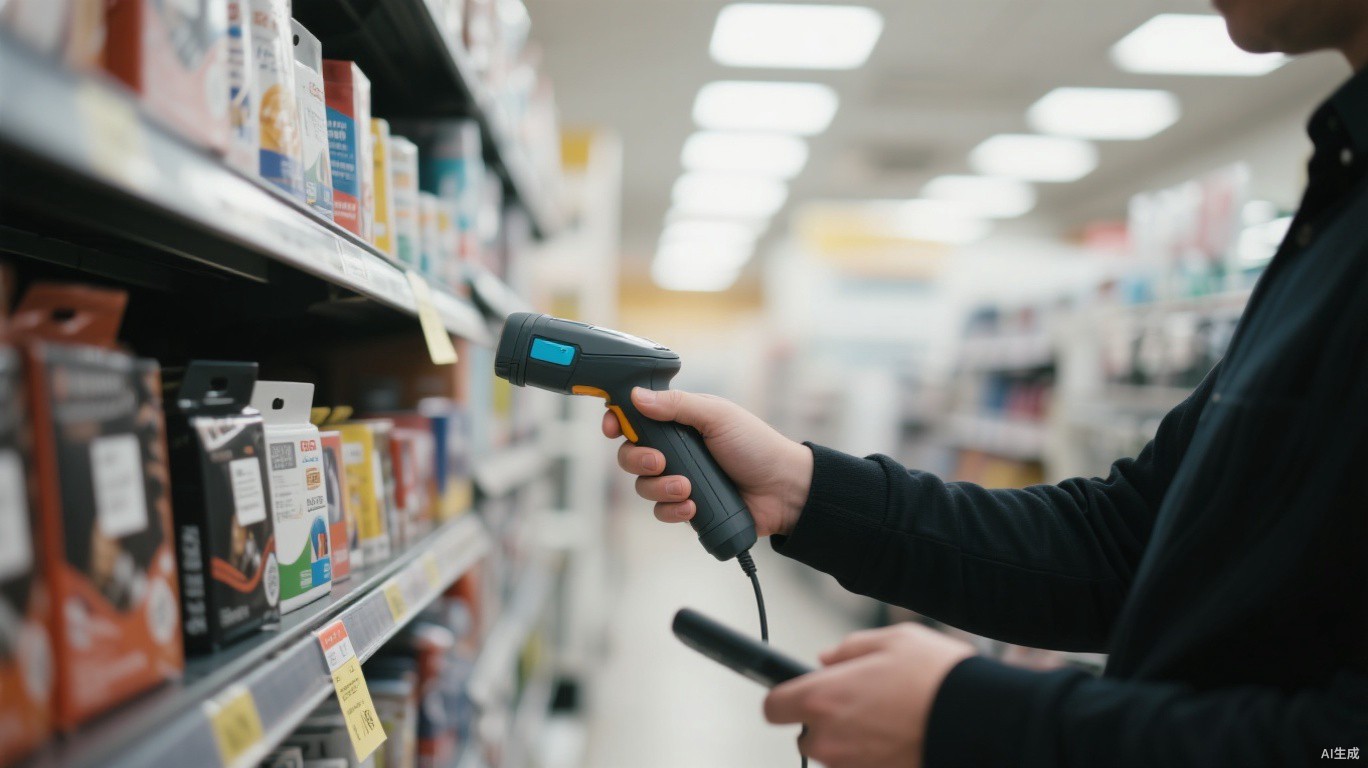
- Transit: die schwierigste Umgebung. Transferkoffer kommen in Containern an und werden unter Zeitdruck umsortiert. Tunnelleser auf der Transitzufuhr plus ein Handgerät am manuellen Umflugschalter decken den automatischen und den manuellen Weg ab.
- Ankunft: ein Lesegerät am Band oder am Karusselleingang bestätigt die Übergabe an den Passagier — der Datenpunkt, der die Reise schließt und die meisten Streitfälle löst.
Ergänzen Sie einen Punkt, der nicht in der Resolution steht, aber entscheidet, ob das System vertrauenswürdig ist: die Ausnahmestation, an der ein fehlgelesener Koffer manuell bestätigt wird. Ohne sie ist die gemeldete Leserate eine Rate, die Sie nicht verteidigen können.
Etikettqualität: die eigentliche Quelle fehlender Lesungen
In fast jeder leistungsschwachen Installation funktionieren die Lesegeräte und die Etiketten nicht.
- Verwenden Sie Etiketten nach IATA RP1740c und UHF Gen2. Minderwertige Inlays lesen auf einem Bruchteil ihrer Nennreichweite.
- Das Inlay zählt mehr als die bedruckte Oberfläche. Ein Etikett mit schwachem Inlay und schönem Druck ist Dekoration.
- Die Platzierung am Koffer ist ein Prozess, kein Nachgedanke. Das Etikett darf nicht um einen Griff gefaltet, gegen die Kofferwand gedrückt oder dort platziert werden, wo im Container ein anderer Koffer darauf liegt.
- Die Wartung des Druck-Applikators entscheidet über die Leserate genauso wie das Lesegerät. Ein abgenutzter Druckkopf erzeugt Etiketten, die geschrieben aber unlesbar sind.
- Testen Sie mit echten Koffern, in einem echten Container, bei echter Bandgeschwindigkeit, bevor Sie die Abnahme unterschreiben. Laborraten sind großzügig optimistisch.
Daten in das BHS und die Airline-Systeme bringen
- Das BHS steuert den physischen Weg; die RFID-Schicht soll es informieren, nicht ersetzen. Eine Lesung, die nach der Entscheidung des Verteilers eintrifft, ist ein Bericht, keine Steuerung.
- Senden Sie Leseereignisse an die Airline im erwarteten Nachrichtenformat, mit Zeitstempel und Ortskennung, die sie mit ihrem eigenen Datensatz abgleichen kann.
- Behalten Sie die Koffernummer als Schlüssel. Der EPC ist ein Implementierungsdetail; das zehnstellige Lizenzschild ist die Sprache der Branche.
- Protokollieren Sie sowohl den Zeitstempel des Lesegeräts als auch den Empfangszeitstempel des Servers. In einem Hub mit Dutzenden Lesegeräten erzeugt Uhrendrift sonst eine Reise, die rückwärts zu laufen scheint.
Der Business Case: Kosten pro Fehlgepäckstück
Der Case besteht meist aus drei Zeilen.
- Reduktion des Fehlgepäcks, ausgedrückt in Koffern pro tausend Passagiere. Schon eine bescheidene Verbesserung erzeugt in einem großen Betrieb eine große absolute Zahl.
- Schnellere Wiederbeschaffung, weil der letzte bekannte Lesepunkt die Suche durch einen Nachschlag ersetzt.
- Vermiedenes Kapital für künftige Kapazität, weil das Wissen um Kofferstandorte den Puffer reduziert, den Flughäfen in die Sortierung einbauen.
Die Etikkosten pro Koffer sind klein gegenüber dem Kofferwert und den Reklamationskosten, aber sie sind laufend, und sie sind die Zahl, die die Finanzabteilung hinterfragt. Die Antwort ist nicht, billigere Etiketten zu kaufen, sondern die Leserate hoch genug zu halten, dass die Etikkosten pro erfolgreich verfolgtem Koffer niedrig bleiben.
Umsetzungspfad für einen mittleren Flughafen
- Instrumentieren Sie zuerst ein Terminal und eine Airline, an allen vier Punkten, statt Check-in flächendeckend auszurollen.
- Ermitteln Sie die Ausgangsrate des Fehlgepäcks vor jeder Änderung, mit derselben Messmethode, die Sie danach verwenden.
- Fahren Sie eine Parallelphase mit Barcode und RFID und vergleichen Sie die Ausnahmelisten. Die Lücke zwischen beiden ist Ihre reale Leseleistung.
- Binden Sie den Ground Handler ab der ersten Woche ein. Er kontrolliert Make-up und Transit, und ein System, dem er nicht vertraut, wird umgangen.
- Planen Sie den Ausnahmeablauf vor dem Start: Wer prüft einen Koffer mit drei Lesungen und ohne Beladebestätigung, und innerhalb welcher Zeit.
Betrieb nach der Übergabe
- Überwachen Sie die Leserate pro Punkt und pro Tag als Betriebs-KPI, nicht als Projektkennzahl. Ein langsamer Rückgang an einem Lesegerät ist die früheste Warnung, die Sie bekommen.
- Warten Sie die Drucker im gleichen Rhythmus wie die Lesegeräte. Die meisten Leseratenvorfälle beginnen an einem Druckkopf.
- Prüfen Sie Ausnahmen wöchentlich gemeinsam mit Handler und Airline. Eine monatliche Runde ist zu langsam, um Verhalten zu ändern.
- Halten Sie an jeder Ausnahmestation ein Handgerät und ein dokumentiertes Verfahren zur manuellen Abstimmung bereit.
Ein Gepäck-RFID-System ist nicht fertig, wenn die Lesegeräte installiert sind. Es ist fertig, wenn die Ausnahmeliste kurz ist, jemand sie verantwortet und die Airline aufhört anzurufen, um zu fragen, wo ein Koffer ist.