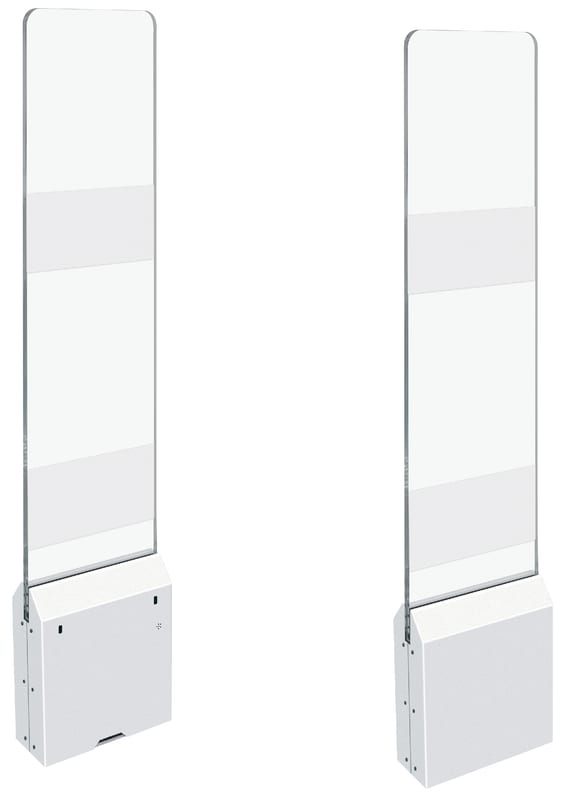
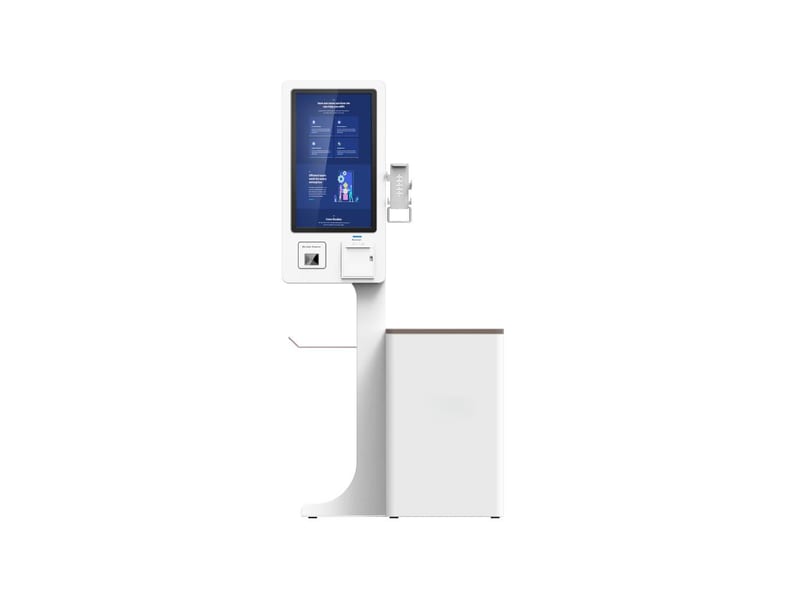
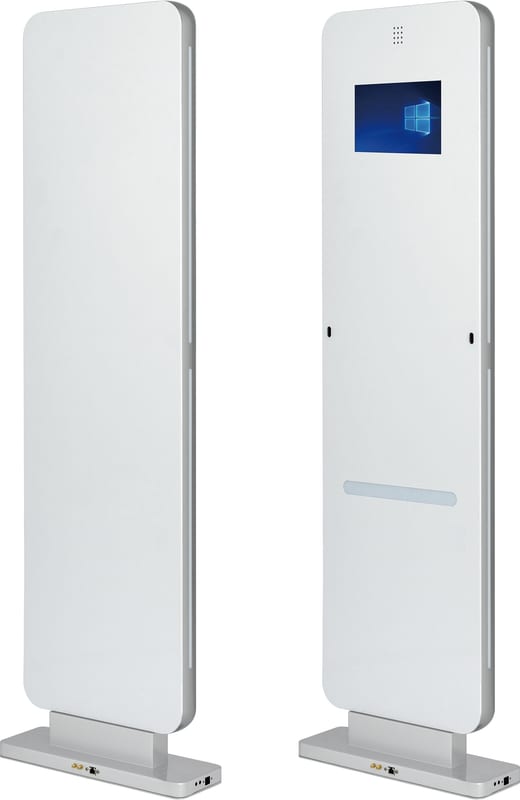
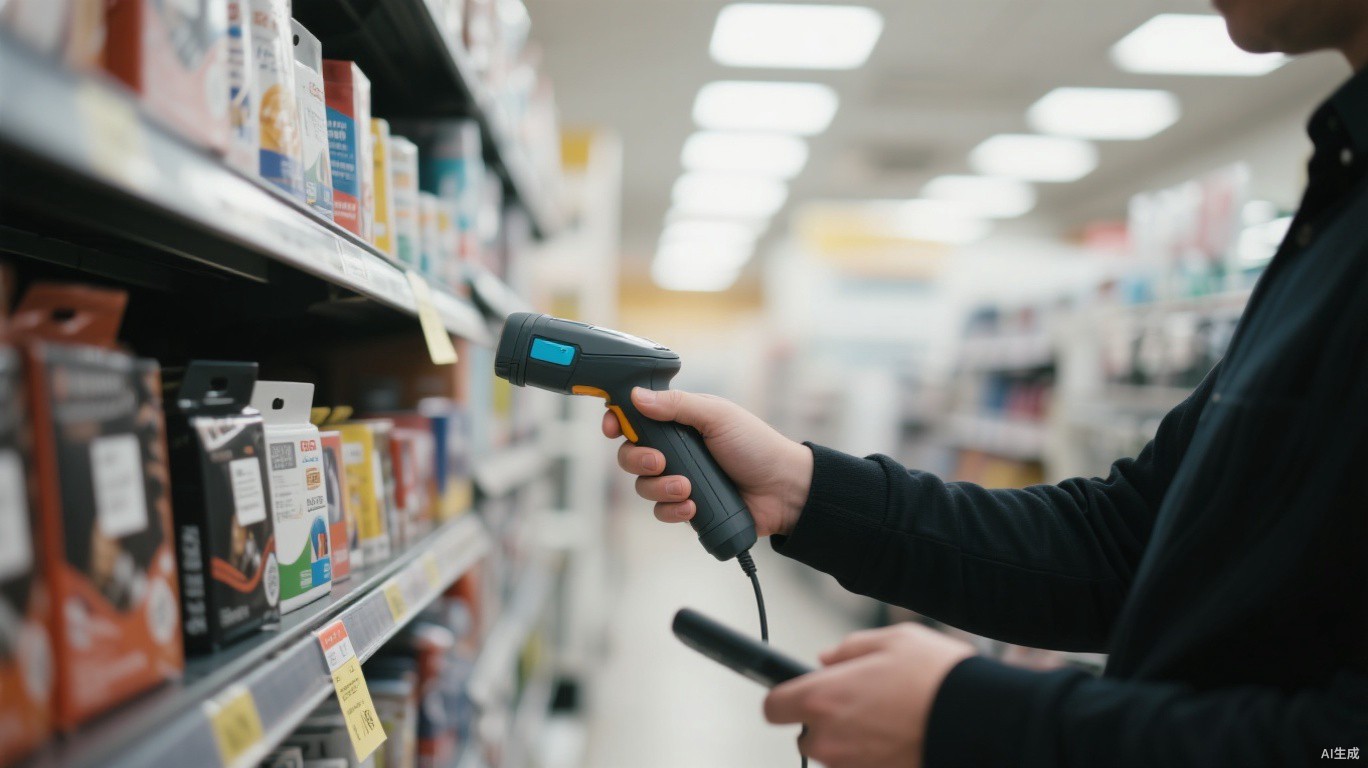
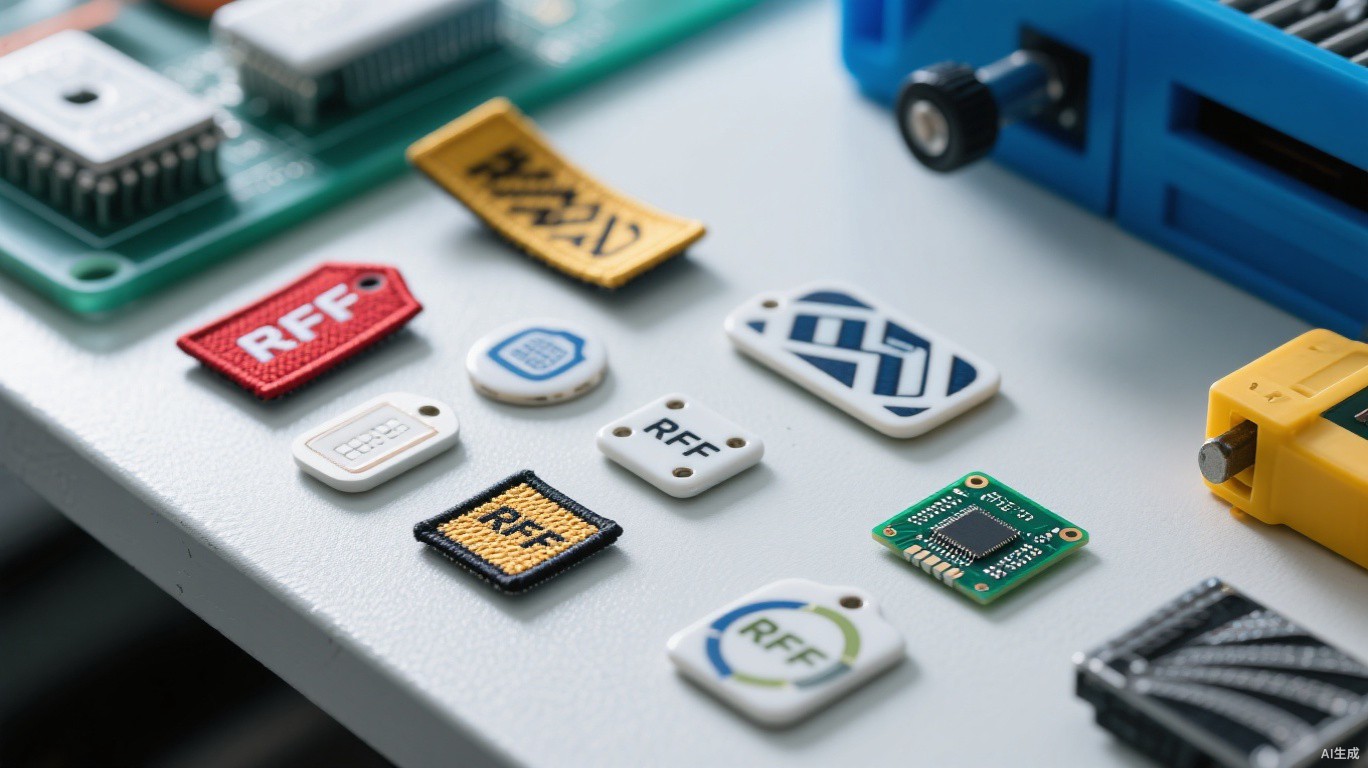
آلة البيع تبيع منتجًا مغلقًا عبر فتحة. والمتجر بلا موظفين يبيع رفًا مفتوحًا عبر تطبيق وبوابة ووعد. المسافة بين هذين النموذجين ليست آلة بيع بقارئ بطاقة، بل عملية تجزئة بلا موظفين يصلحون أخطاءها، وRFID جزء واحد فقط مما يجعلها قابلة للاستمرار.
ما يتعطل فعلًا في متجر بلا موظفين
معظم الإخفاقات تشغيلية وتتكرر.
- يختار الزبون ثلاثة أصناف، ويعيد واحدًا إلى رف خاطئ، فلا يتوافق مجموع السلة مع الرف.
- وسم مفقود أو تالف أو مثني، ولا تراه البوابة.
- يحدث الهدر عند الرف لا عند الصندوق: يخرج صنف في حقيبة لا تفحصها البوابة أبدًا.
- التعبئة يقوم بها موظف زائر لديه عشرون دقيقة وبلا مخطط رفوف، فينحرف الرف ببطء.
- يفترض التطبيق مخزونًا نظيفًا، وأول شكوى نقص تدمّر الثقة.
لا يحل أيًّا منها قارئ أفضل. كلها تتأثر باختيار الوسم وتخطيط المتجر ونموذج التشغيل.
قراءة السلة: المشكلة الفيزيائية
RFID في سلة التسوق قريب من أسوأ حالة لـ UHF.
- الأصناف متراصة، والسوائل والمعادن تحجب الوسوم خلفها.
- السلة غالبًا معدنية أو بإطار معدني، ما يُخرج الوسوم القريبة من الجدران عن التوليف.
- اليد أو الجسم بين الهوائي والصنف يمتص الإشارة.
- وسم صغير على صنف صغير، على مسافة قريبة، بلا خط نظر، هو بالضبط الوضع الذي ينهار فيه معدل القراءة.
الأجوبة هندسية لا تسويقية.
- اقرأ عند المخرج حيث تمر السلة عبر نفق أو بوابة محددة، بدل الاعتماد على مسح يدوي.
- استخدم بوابة متعددة الهوائيات باستقطاب دائري، وضع هوائيات على الجانبين ومن الأعلى.
- حدّد وسومًا بمدى قراءة يتسع لحجم الصنف، واختبر بسلة كاملة من المزيج الحقيقي لا بعشرة صناديق متطابقة.
- للأصناف الصغيرة الكثيفة أو السائلة، فكّر في حل هجين: RFID لمعظم السلة، وتحقق بالوزن أو الرؤية للبقية.
عمليات الوسم: مركز التكلفة الحقيقي
- الوسم في المصدر هو النموذج الوحيد الذي يتوسع فوق بضع مئات من المتاجر. الوسم داخل المتجر يكلّف عملًا كان النموذج بلا موظفين يريد إزالته أصلًا.
- يجب تحديد موضع الوسم بحسب فئة الصنف لا بحسب المتجر. وسم داخل كيس رقائق معدنية غير مرئي، ووسم خارجه يتلف بالمناولة.
- إزالة الوسم عند البوابة، أو عدم إزالته إطلاقًا، قرار سياسة بعواقب هدر مباشرة. الوسوم القابلة للنزع التي تغادر المتجر تصبح مخزونًا مجانيًا للسارق التالي.
- جودة الوسوم عند الاستلام تستحق الجهد: صندوق وسوم ميتة يُكتشف عند الباب الخلفي أفضل من تحوّله إلى سلسلة شكاوى عملاء.
الدفع: بوابة أو خزانة أو هجين
- بوابة خروج أرخص لكل متر مربع وتناسب متجرًا بمخرج محدد. لكنها تشترط أن يسير الزبون في هندسة معروفة.
- الخزانة الذكية أو شكل البيع الآلي يحصر المشكلة: باب واحد، قارئ واحد، صنف واحد. ممتازة لتشكيلة عالية القيمة قليلة الأصناف، وسيئة لسلة بقالة كاملة.
- تحسّن الدفع بالرؤية كثيرًا لكنه ما يزال يفشل في الأصناف المتشابهة، ومعدل خطئه غير متماثل: تحصيل خاطئ أشد ضررًا من تحصيل ناقص.
- الهجين، بـ RFID أساسًا والرؤية أو الوزن ثانويًا، هو التكوين الذي يصمد أمام زبائن حقيقيين.
التعبئة ومخطط الرفوف ودقة المخزون
- النظام الذي يعرف ما اشتراه الزبون يعرف أيضًا ما على الرف، لكن فقط إذا كانت قراءة الرف حقيقية. بوابة عند باب المخزن تمنحك ذلك بلا جرد.
- يجب أن يولّد النظام مهام التعبئة، بترتيب الرف وبزمن مستهدف. الموظف بقائمة ينهي في نصف وقت الموظف بخريطة.
- انضباط مخطط الرفوف هو ما يجعل القراءة ذات معنى: إن لم يكن الصنف حيث يقول النظام، فالالتقاط خطأ حتى لو كان الوسم صحيحًا.
- الجرد الدوري بالاستثناء — الفئات الأعلى تباينًا — أرخص وأدق من جرد كامل.
ضبط الهدر والاستثناءات
- البوابة تكشف وسمًا يخرج لا سرقة. الزبون الذي يخرج بصنف هو فشل دفع، وعلى النظام التوفيق بين الاثنين.
- سجّل حدث الخروج وحالة السلة ونتيجة الدفع معًا؛ والفجوة بينها هي إشارة الهدر.
- تعامل مع الخطأ البريء بعمد: من يخرج بصنف غير مسحوب يجب أن يستطيع تصحيحه في التطبيق بلا مواجهة.
- راجع أنماط الاستثناء أسبوعيًا. المتجر الذي يتكرر فيه عدم تطابق الصنف نفسه لديه مشكلة وسم أو موضع، لا قاعدة زبائن غير أمناء.
اقتصاد الوحدة الذي يصمد للفحص
- الإيراد لكل متر مربع هو العنوان، لكنه يحركه التشكيل والموقع لا غياب الموظفين.
- العمل الموفَّر ليس عملًا مُلغى: التعبئة والتنظيف والصيانة ودعم العملاء ما تزال قائمة، لكنها مركّزة في زيارات أقل وأطول.
- الهدر هو الرقم الذي يقتل النموذج. متجر بموظفين يتحمل 1–2%؛ ومتجر بلا موظفين وبوابة ضعيفة قد يرى 5–10%.
- إهلاك الأجهزة مهم لأن المتجر أصل ثابت بعمر خمس سنوات، واعتماده على البرمجيات لا يتقادم بلطف.
- نقطة التعادل تُبلغ عادة عند مزيج محدد من حجم السلة وتكرار الزيارة، فاحسب هذين المتغيرين قبل توقيع عقد إيجار.
تسلسل النشر
- ابدأ بفئة واحدة وشكل واحد: خزانة ذكية في سكن طلابي، متجر ببوابة في بهو مكتب، جدار بيع في مستشفى.
- نفّذ جردًا يدويًا أسبوعين بالتوازي مع النظام وقارن. الفرق هو دقة مخزونك الحقيقية.
- ضع القياس عند الخروج لا الدخول. البوابة المهمة هي التي يمر بها الزبون حاملًا بضاعة.
- أصلح إيقاع التعبئة قبل إضافة أصناف. متجر لا يمكن تعبئته بموثوقية لا يمكن توسيعه.
- بعد ذلك فقط وسّع بالموقع، محافظًا على الشكل نفسه ومواصفة الوسم نفسها.
المتجر بلا موظفين هو عمل تجزئة أُزيلت منه قدرة تصحيح الخطأ. يعيد RFID بعضها، لكن فقط إذا صُممت الوسوم والبوابة ونموذج التعبئة كنظام واحد لا كثلاثة منتجات.