سلسلة التبريد الدوائية فيها سؤالان وليسا سؤالًا واحدًا. الأول الهوية: أي صندوق هذا، وأين صُنع، وأين كان. والثاني الحالة: هل بقي بين درجتين وثماني درجات طوال الرحلة، وإن لم يبقَ فلكم من الوقت وبأي مقدار خرج.
يستطيع RFID الإجابة عن الاثنين. لكنه لا يستطيع ذلك بتدفق بيانات واحد، ولا يستطيع ذلك دون أثر تدقيق يقبله مفتش.
ما تطلبه اللوائح وما لا يستطيع الباركود إثباته
تشريعات التسلسل — توجيه الأدوية المزوّرة في أوروبا، وقانون DSCSA في الولايات المتحدة، وأنظمة مماثلة في بلدان أخرى — تطلب تعريفًا فريدًا وتحققًا في نقاط محددة. يستطيع الباركود حمل المعرّف، لكنه لا يستطيع إثبات أن هذا الصندوق تحديدًا كان حاضرًا ماديًا عند نقطة التحقق دون مسح كل وحدة يدويًا.
- هوية على مستوى الوحدة: كل وحدة قابلة للبيع تحمل رقمها التسلسلي لا رقم دفعة فقط.
- التجميع: يجب أن تعرف الكرتونة والمنصة الوحدات التي تحتويهما، حتى يمكن التنفيذ بسحب دون فتح كل كرتون.
- التحقق: عند الصرف أو عند نقطة فحص محددة يجب مطابقة المعرّف مع مستودع مرجعي.
- التتبع: سلسلة الحيازة من المصنع إلى الصرف، بطوابع زمنية.
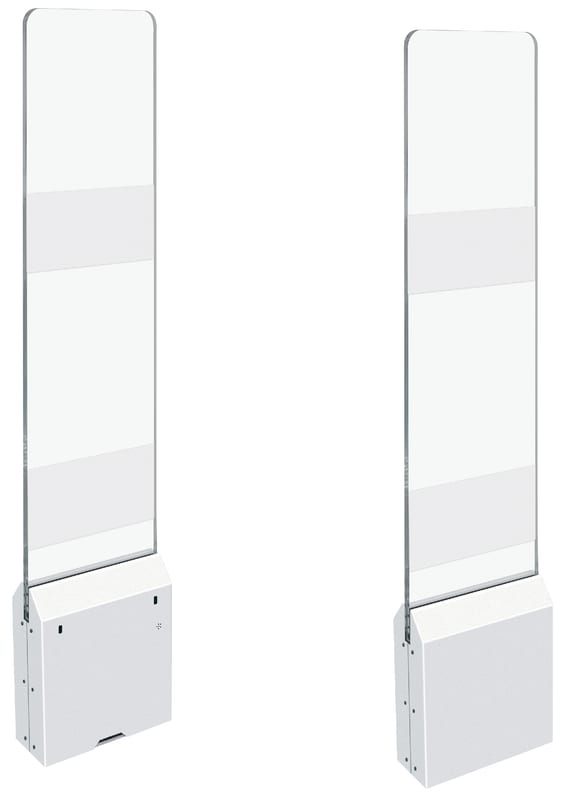
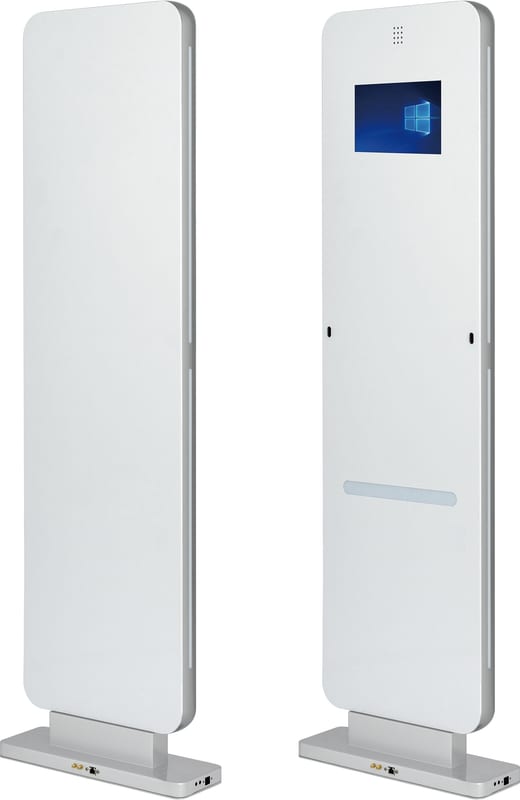
بوابة RFID تنجز التجميع والتحقق في ثوانٍ لكل منصة. وهذه هي الحجة التنظيمية، وهي أقوى من حجة العمالة.
التسلسل مقابل درجة الحرارة: تدفقان مختلفان
صممهما منفصلين وإلا أصبح أثر التدقيق ملتبسًا.
- تدفق الهوية: EPC أو SGTIN، حدث الترميز الأولي، هرمية التجميع، انتقالات الحيازة. حجم منخفض ومتطلب سلامة مرتفع واحتفاظ طويل.
- تدفق الحالة: قراءات المستشعر بطوابع زمنية، وفترة أخذ العينات، ومرجع المعايرة، وأحداث الانحراف. حجم أعلى، ويجب أن يصمد أمام تعطل القارئ.
- الوصلة: يجب أن يشير التدفقان إلى معرّف الوحدة أو الصندوق نفسه، ليتمكن المفتش من الانتقال من منحنى حرارة إلى أرقام تسلسلية محددة متأثرة.
استخدم مسجّل بيانات بذاكرة خاصة لتدفق الحالة. لا تعتمد على قراءة RFID لإعادة بناء تاريخ الحرارة؛ فإذا كان القارئ متوقفًا ذهب التاريخ.
اختيار الوسم: هوية أم استشعار
ثلاثة خيارات بملفات تكلفة وموثوقية مختلفة جدًا.
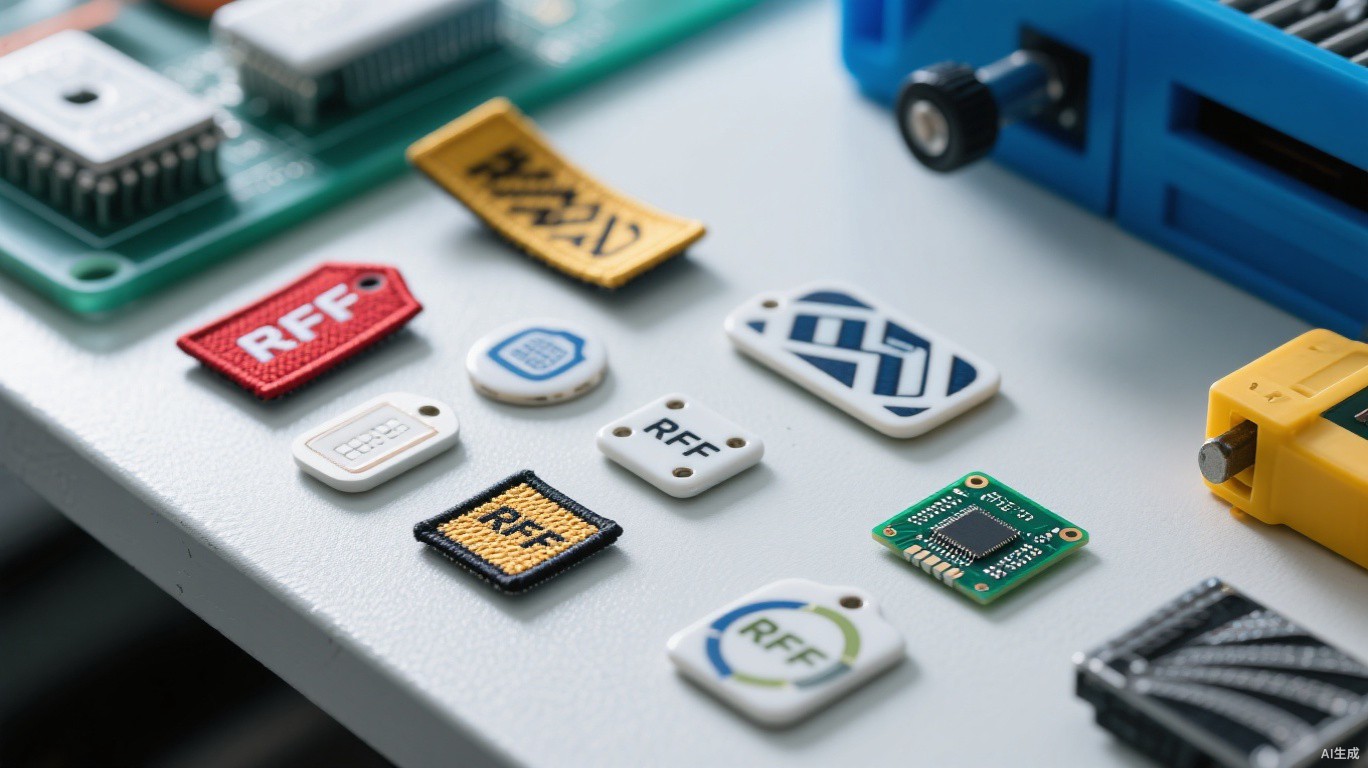
- وسم هوية سلبي (UHF): سنتات. يوفر التسلسل والتجميع، بلا بيانات حرارة.
- وسم سلبي بمستشعر حرارة وذاكرة: من دولار إلى عدة دولارات. يسجل منحنى زمن-حرارة يُقرأ لاحقًا عند بوابة، بلا بطارية.
- مسجّل نشط أو BLE: عشرات الدولارات. رؤية فورية ومدى طويل، لكن البطاريات والمعايرة والتخلص تضيف تكلفة وعبء تحقق.
لمعظم اللوجستيات الدوائية، التركيبة العملية هي وسم هوية سلبي للتسلسل زائد مسجّل بيانات معتمد لكل شحنة لسجل الحرارة، مع تسجيل معرّف المسجّل داخل هرمية التجميع.
القراءة داخل المجمّد: الفيزياء وقاعدة الثلاثين ثانية
القراءة في سلسلة التبريد مشكلة RFID داخلية بقيدين إضافيين.
- الصقيع والجليد: التكاثف على قبة الهوائي يزيل توافقه ويضعف الإشارة. القباب المُدفأة أو وضع الهوائي خارج الغرفة الباردة خلف نافذة حلول قياسية.
- الرفوف المعدنية والتغليف المعدني: كثير من حاويات الشحن الدوائية مبطّنة برقائق الألمنيوم فتحجب UHF تمامًا. في هذه الحالة اقرأ عند التعبئة والتفريغ لا عبر الحاوية.
- قاعدة الثلاثين ثانية: المنصة التي تخرج من المجمّد يجب أن تُقرأ خلال ثلاثين ثانية قبل تشكّل التكاثف السطحي. صمّم البوابة حول هذه القاعدة لا حول الراحة.
- تجانس الحرارة ليس موثوقية القراءة: يمكن أن تكون المنطقة مثالية حراريًا وكارثية كهرومغناطيسيًا.
معالجة الانحراف: من الإنذار إلى القرار
الانحراف ليس حدثًا بل عملية قرار، وعلى النظام أن يحملها كاملة.
- الكشف: تجاوز الحد بمدّة ومقدار، لا إنذار ثنائي فقط.
- التوصيف: كم المدة، وكم الخروج، وأي الأرقام التسلسلية كانت في الشحنة حينها.
- التقييم: بيانات الثبات تحدد صلاحية المنتج؛ وهذا قرار صيدلي أو ضمان جودة لا قرار برمجي.
- التصريف: حجر أو إفراج أو إتلاف، مع تسجيل السبب وتحديث الأرقام التسلسلية.
- التعلّم: نمط الانحراف مشكلة تغليف أو مسار، ويجب أن يغذي تصميم الشحنة التالية.
سلامة البيانات وأثر التدقيق
في بيئة منظّمة يكون السجل بمنزلة القياس.
- مبادئ ALCOA: قابل للنسبة والقراءة والتزامن والأصل والدقة. كل سجل مشتق من RFID يجب أن يحمل من ومتى وأي جهاز.
- 21 CFR Part 11 والملحق 11 لممارسات التصنيع الجيدة الأوروبية: ضبط الوصول وأثر تدقيق غير قابل للتعديل وتوقيعات إلكترونية حين يتطلبها المسار.
- التحقق: نظام RFID نظام حاسوبي يحتاج IQ/OQ/PQ مع إثبات معدل القراءة مقابل معيار قبول محدد.
- الاحتفاظ: سجلات التسلسل تعيش أطول من المنتج بسنوات؛ صمّم التخزين لذلك لا للوحة المعلومات.
تسلسل نشر في بيئة مؤهلة
- المرحلة الأولى: التسلسل والتجميع فقط عند نقطة شحن المصنع.
- المرحلة الثانية: التحقق عند استلام الموزّع، مع تعريف معالجة الاستثناءات قبل الإطلاق.
- المرحلة الثالثة: دمج مسجّل الحرارة في سجل التتبع نفسه.
- المرحلة الرابعة: التحقق في المستشفى أو الصيدلية بعد إثبات نظافة بيانات المنبع.
- المرحلة الخامسة: محاكاة سحب تُنفَّذ كتدريب مع قياس زمن تحديد الأرقام المتأثرة.
الخلاصة
RFID في سلسلة التبريد مشروع امتثال يعود بعائد كفاءة لا العكس. صمّم على هذا الأساس.
- افصل تدفق الهوية عن تدفق الحالة واربطهما بالمعرّف نفسه.
- استخدم وسومًا سلبية للتسلسل ومسجّلات معتمدة للحرارة؛ ولا تطلب من جهاز واحد أن يفعل الاثنين بشكل سيئ.
- حلّ مشكلة الصقيع والرقائق وقاعدة الثلاثين ثانية قبل الوعد بأداء البوابة.
- اجعل الانحراف قرارًا موثقًا بمسؤول مسمّى.
- أثبت السلسلة بتدريب سحب لا بشرحة عرض.
لن يسألك المفتش كم وسمًا تقرأ في الثانية. سيسأل أي الأرقام تأثرت وكيف عرفت.