تُقاس آلة الفرز برقم واحد: كم طردًا في الساعة يصل إلى القناة الصحيحة. وكل ما عدا ذلك — طراز القارئ وعدد الهوائيات ونوع الرقاقة — يخدم هذا الرقم. معظم مشاريع فرز RFID المخيبة لا تفشل لأن القارئات كانت خاطئة، بل لأن قرار القراءة وُضع في مكان لا يمكن الفوز فيه، أو لأن أحدًا لم يحدد ما ينبغي أن يحدث حين لا يُقرأ الطرد إطلاقًا.
الفرز مشكلة RFID لا مشكلة باركود
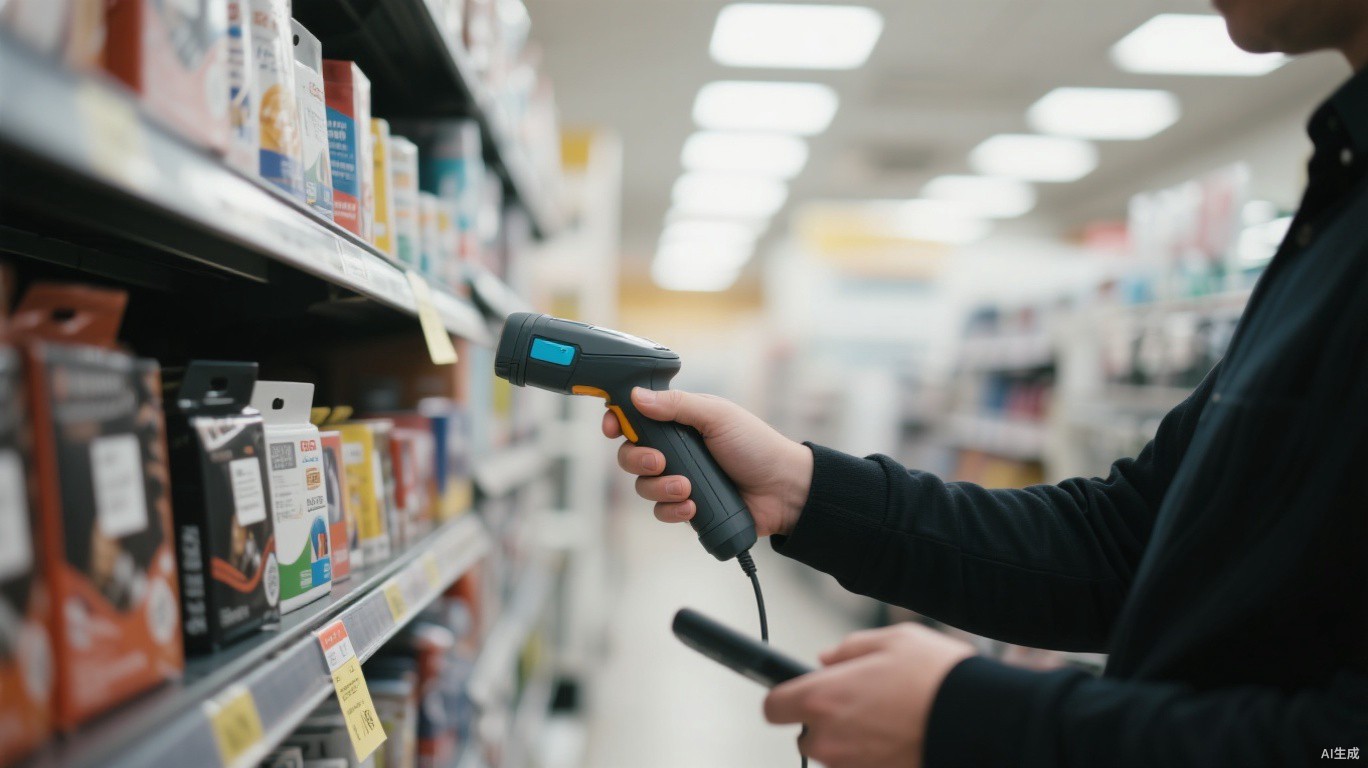
المسح اليدوي عند الإدخال يقيد الطاقة الإنتاجية بسرعة أبطأ موظف، ويضيف معدل خطأ بشري يتزايد مع الإجهاد.
- موضع إدخال واحد بالمسح اليدوي يحافظ على نحو 900 إلى 1200 طرد في الساعة مع ملصقات جيدة، وأقل بكثير مع الأكياس المجعّدة.
- معدل قراءة الباركود على الأكياس اللينة والأسطوانات والعبوات المتعددة المغلفة بالانكماش هو الحلقة الأضعف في الخط كله، ويفشل تحديدًا حيث يكون الحجم أعلى.
- كل قراءة خاطئة أو مسح مفقود يتحول إلى استثناء يدوي في نهاية الحزام، وهو أغلى موضع في المبنى لإصلاح أي شيء.
- RFID ينقل التعريف إلى أعلى الخط: يُقرأ الطرد في نفق قبل وصوله إلى الفرازة، فيكون قرار التوجيه قد اتُخذ عند وصوله.
المقايضة حقيقية. RFID أغلى لكل طرد من ملصق مطبوع، ولا يستحق إلا إذا أزال العمل اليدوي للإدخال وقلّل أخطاء الفرز.
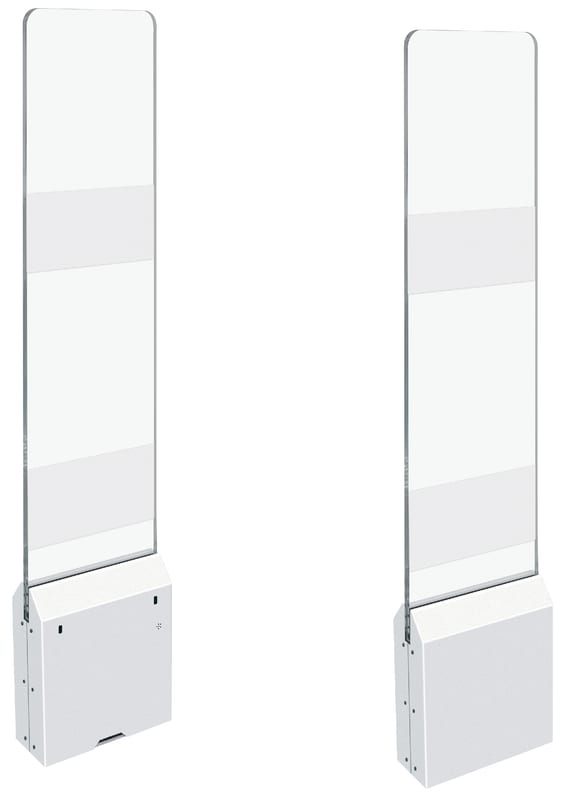
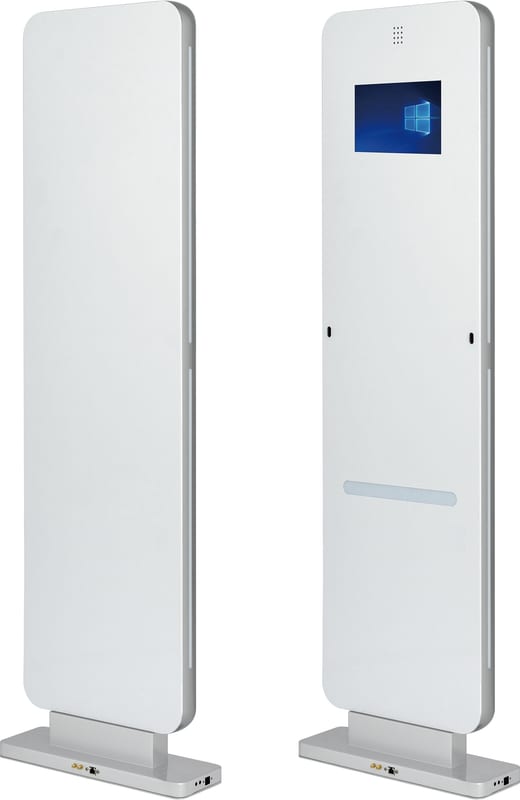
نفق القراءة: الهندسة قبل القدرة
أشهر خطأ تصميمي هو رفع القدرة لتعويض نفق بُني بطريقة خاطئة.
- يجب أن يمنح طول النفق ثلاث إلى خمس فرص قراءة لكل طرد عند سرعة الخط على الأقل. عند 2.5 متر في الثانية، نفق بطول مترين يعني أقل من ثانية تعرّض، وهو حدّي.
- ينبغي أن تواجه الهوائيات الطرد من اتجاهين على الأقل، لأن الوسم المسطح الملتصق بجدار كرتوني غير مرئي من الجهة التي التصق بها.
- لا توجّه الهوائيات إلى سطح الحزام. انعكاس الحزام والإطار المعدني يسيطر على المجال ويُضعف حساسية القارئات.
- استخدم أنفاقًا محجوبة بألواح ماصة على الإطار. في قاعة الفرز عشرات القارئات ومئات الوسوم في حركة، والنفق غير المحجوب يقرأ طرود الخط المجاور.
- اضبط القارئ في مرحلة التشغيل ليبلغ عن كل وسم في كل مرور، ثم شدّد الفلاتر بعد ذلك. لا يمكن ضبط ما لا تراه.
- تذكّر سماحية اتجاه الوسم: الطرد المتدحرج في المزلق قد يعرض الوسم حرفيًا، ولا قدرة تعالج زاوية إسقاط صفرية.
الهدف عند مخرج النفق معدل قراءة أولى أعلى من 99.5 في المئة، مقيسًا على 100 ألف طرد على الأقل، لا على عرض تجريبي من 200 طرد.
موضع الوسم قرار تغليف
في شبكة طرود يضع الشاحن أو المحور الوسم، والموضع نادرًا ما يكون خاضعًا للرقابة.
- حدّد منطقة لصق على أكبر سطح مستوٍ، بعيدًا 50 ملليمترًا على الأقل عن أي حافة معدنية أو بطارية أو حاوية سائل.
- للأكياس اللينة استخدم وسمًا برقاقة مرنة، واشترط لصقه دون تجعيد فوق الهوائي.
- للصناديق البلاستيكية المعاد استخدامها، ثبّت وسمًا صلبًا في جيب غائر. الوسم السطحي على الصندوق يُدمَّر خلال أسابيع بالصدمات والغسيل.
- اختبر أسوأ حالة لا المتوسط: كرتون مليء بسائل، صندوق قطع معدنية، طرد ملفوف بعزل مدعّم برقائق معدنية.
- زوّد الشاحنين مجموعة تحقق صغيرة وصورة توضيحية للموضع. إرشاد الموضع أرخص من محطة إعادة عمل.
- إن لم تستطع الشبكة التحكم في الموضع، فصمّم النفق ليتحمله، واقبل معدل قراءة أولى أقل مع مسار استرجاع سريع.
مسار فشل القراءة هو التصميم نفسه
لكل فرازة مسار لفشل القراءة، سواء صممه أحد أو لم يصممه. وإن لم يُصمم، فالمسار هو السلوك الافتراضي للآلة، وهو عادة قناة الرفض ومحطة إدخال يدوي.
- عرّف إجراء فشل القراءة صراحة: رفض إلى مسار استثناء، أو إعادة تدوير مرة واحدة، أو احتجاز لقراءة ثانية.
- إعادة التدوير جاذبة لكن يجب أن تكون محدودة. طرد يدور ثلاث مرات يستهلك طاقة فرز لم يحسبها نموذج الطاقة الإنتاجية.
- يحتاج مسار الاستثناء إلى شخص وشاشة وماسح، بحجم يتناسب مع معدل فشل القراءة المتوقع، وهو عادة 0.3 إلى 1 في المئة من الحجم في شبكة مُدارة جيدًا.
- يجب تسجيل كل فشل قراءة مع صورة الطرد والنفق والطابع الزمني وتشخيص القارئ. بدون ذلك يكون السبب مجهولًا ولا ينخفض المعدل أبدًا.
- لا تدع متحكم الفرازة يخمّن بصمت. التوجيه المُخمَّن هو خطأ فرز مع تأخير، وأخطاء الفرز تكلف أكثر بكثير من الاستثناءات.
الإدخال والفصل الزمني وميزانية الوقت
RFID لا يلغي الحاجة إلى فصل الطرود، بل ينقل القيد.
- يجب أن تبقى الطرود متباعدة بما يكفي ليقرأها النفق فردًا فردًا، وإلا تلقّت الفرازة دفعة هويات لموضع واحد.
- إذا قُرئ طردان معًا، على المتحكم أن يقرر أيّهما أيّ. وهذا القرار تخمين ما لم يستطع النفق تحديد الموضع، وهو ما لا تستطيعه معظم الأنفاق.
- الميزانية من مخرج النفق إلى التوجيه عادة 300 إلى 800 مللي ثانية. تصفية القارئ والوسيط واستعلام WMS تلتهم هذا الوقت.
- اجعل استعلام WMS محليًا بجدول مسارات مخزّن. رحلة ذهاب وعودة إلى الخادم المركزي لكل طرد لا تتسع في الميزانية وقت الذروة.
- ضع طابعًا زمنيًا عند القارئ وعند المتحكم. انحراف الساعة بينهما هو السبب المعتاد لتحول قراءة صحيحة إلى توجيه متأخر.
الفرز متعدد الأحزمة والبكرات الصاعدة والحذاء المنزلق
نوع الفرازة يغيّر مكان القراءة، لا ضرورتها.
- الفرازات متعددة الأحزمة تحمل الطرود في صوانٍ، ووسم على الوجه السفلي للصينية غالبًا هدف قراءة أفضل من وسم الطرد. هوية الصينية تنجح إذا فُرض الربط بين الصينية والطرد عند الإدخال.
- البكرات الصاعدة والعجلات تتعامل مع الأشكال غير المنتظمة وتكون أرفق بالأكياس اللينة، لكنها تعرض الطرد بزوايا متغيرة، وهذا يقتضي نفقًا أطول.
- فرازات الحذاء المنزلق تعمل بسرعة عالية وخطوة قصيرة، فلا يبقى إلا حيز مادي ضئيل لنفق. في هذه الخطوط تحدث القراءة عادة عند الإدخال فقط.
- أيًّا كان النوع، يجب أن يكون أمر التوجيه خامل التكرار. قراءة مكررة يجب ألا تنتج توجيهًا مكررًا.
- يجب أن تدعم خطوط الصواني والحذاء المنزلق تقرير مطابقة يقارن الهويات المُدخلة بالهويات الموجّهة في نهاية الوردية، بحسب القناة.
التكامل مع WMS ومتحكم الفرازة
- أبقِ طبقة القراءة بسيطة والمنطق التوجيهي في WMS أو الوسيط. قواعد الفرز في البرنامج الثابت تصبح غير قابلة للصيانة خلال عام.
- أرسل حدثًا مدمجًا إلى المتحكم: هوية الوسم والنفق والطابع الزمني وعدد القراءات ومؤشر الثقة أو الإشارة إن توفر.
- في Odoo يمكن دفع حركات الإدخال والإخراج عبر أحداث مسح من خلال طابور وسيط، لكن لا تكتب حركات المخزون مباشرة من متحكم المنطق. استخدم طابورًا معتمدًا مع إعادة التشغيل وإزالة التكرار.
- يجب أن يملك WMS خريطة الوجهات، لأن تعيين القنوات يتغير مع مواعيد إقفال الناقلين وخطط الموجات عدة مرات يوميًا.
- سجّل نتيجة التوجيه مقابل حدث القراءة. بدون النتيجة تقيس القراءات لا الفرز.
التشغيل والاعتماد
- شغّل النفق أسبوعًا بالتسجيل فقط قبل تفعيل أي توجيه. أسّس معدل القراءة الأساسي وأهم عشر أسباب لفشل القراءة.
- اختبر بالمزيج الحقيقي: أصغر كيس، أثقل كرتون، عبوة سائل، صندوق يحتوي معدنًا.
- قِس عند ثلاث سرعات، بما فيها سرعة التصميم القصوى لا المريحة.
- تحقق من مسار فشل القراءة من طرف إلى طرف بطرود غير موسومة عمدًا، وتأكد من ظهور الاستثناء على شاشة المشغّل في الوقت المتوقع.
- دقّق أخطاء الفرز منفصلة عن فشل القراءة، وطابق العدّين مع تقرير القنوات كل وردية.
الفرق بين خط فرز جيد وخط متميز نادرًا ما يكون القارئ. إنه انضباط معرفة مصير الطرد الذي لم يُقرأ، ووجود شخص وشاشة وعملية جاهزة قبل أول موسم ذروة.