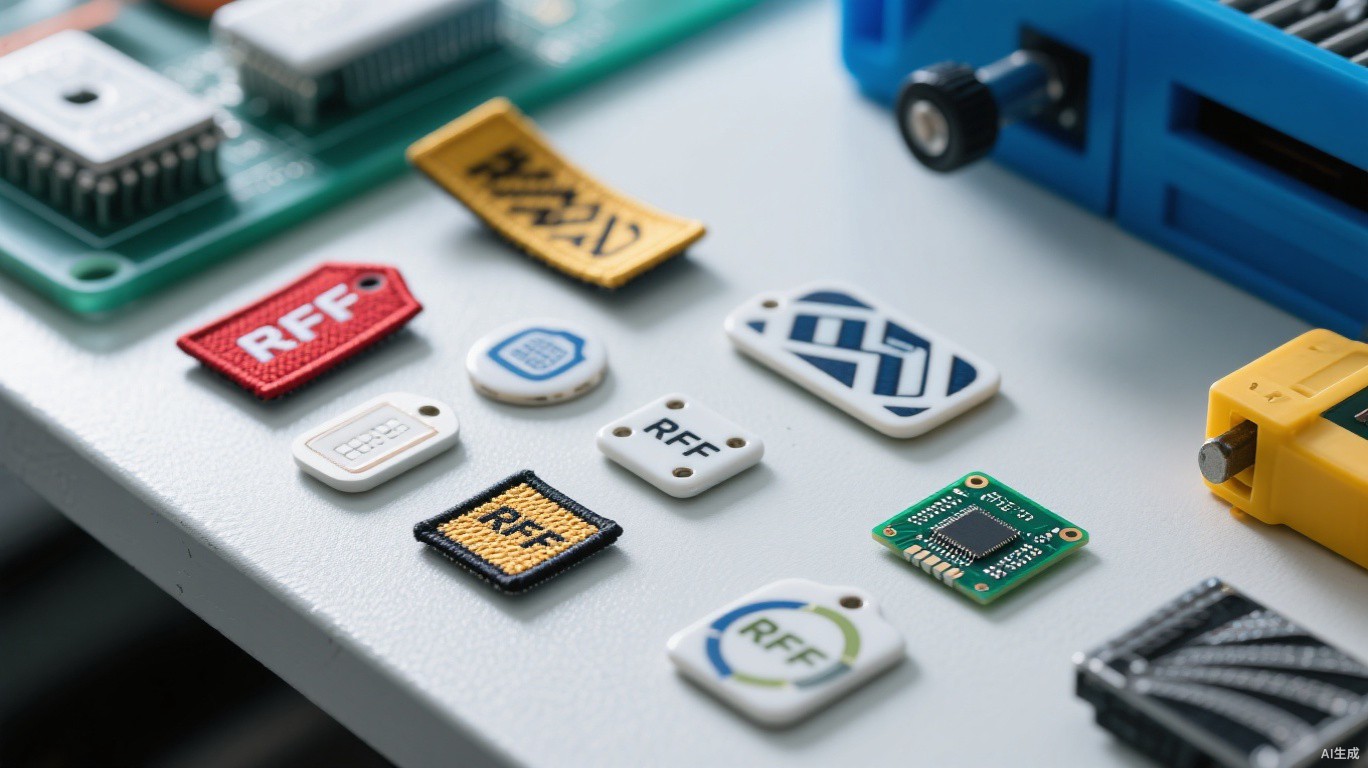
تُباع مشاريع RFID في المكتبات دائمًا تقريبًا على أساس الخدمة الذاتية: المستعير ينجز الإعارة بنفسه، تختفي الطوابير، ويتنفس مكتب الاستقبال. هذا حقيقي، لكنه نادرًا ما يكون موضع المال. في معظم المكتبات يأتي العائد من مكانين أقل بريقًا: الجرد على الرفوف، الذي لا يريد أحد إنجازه فيتأخر دائمًا، وساعات الموظفين التي تتوقف عن الاستهلاك في المعاملات المتكررة.
أما اختيار التقنية فله عواقب حقيقية. HF وUHF ليسا نكهتين للشيء نفسه؛ ينتجان عمليات مختلفة وتكاليف مختلفة ونماذج أمان مختلفة، والقرار يصعب التراجع عنه بعد وسم عشرة آلاف مقتنى.
أين يوفّر RFID المكتبي المال فعلًا
ضع بنود المنفعة بصدق قبل اختيار الأجهزة.
- إنتاجية الخدمة الذاتية: الإعارات والإرجاعات في الساعة تتضاعف أو تتضاعف ثلاث مرات مقابل مكتب يخدمه موظف، ويمكن خدمة وقت الذروة بعدد أقل.
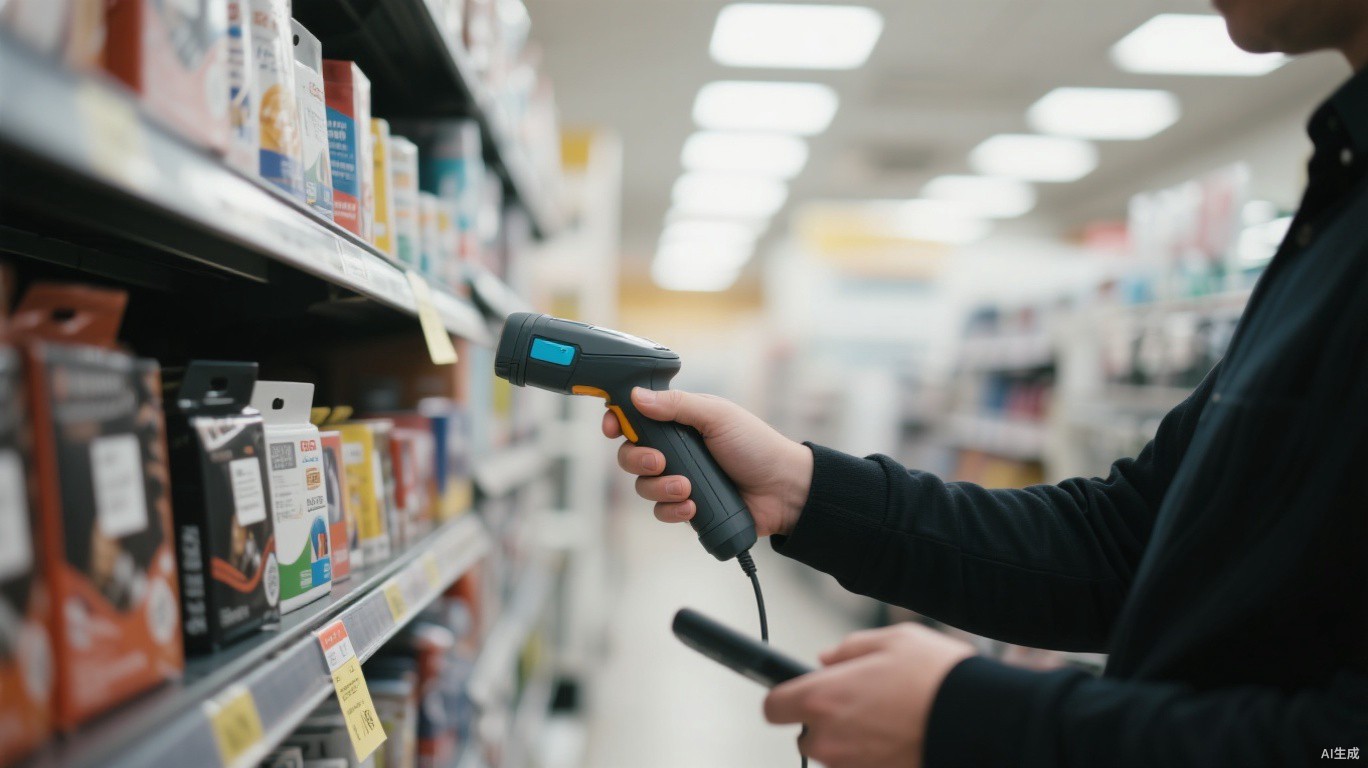
- الجرد على الرفوف: مسح رف بجهاز يدوي يستغرق دقائق حيث يستغرق قراءة الأرقام يدويًا ساعات. وتكتشف معظم المكتبات أن ثلث المقتنيات في غير موضعها.
- الجرد العام: العد السنوي الذي كان يغلق المكتبة أيامًا يصبح عملًا متواصلًا.
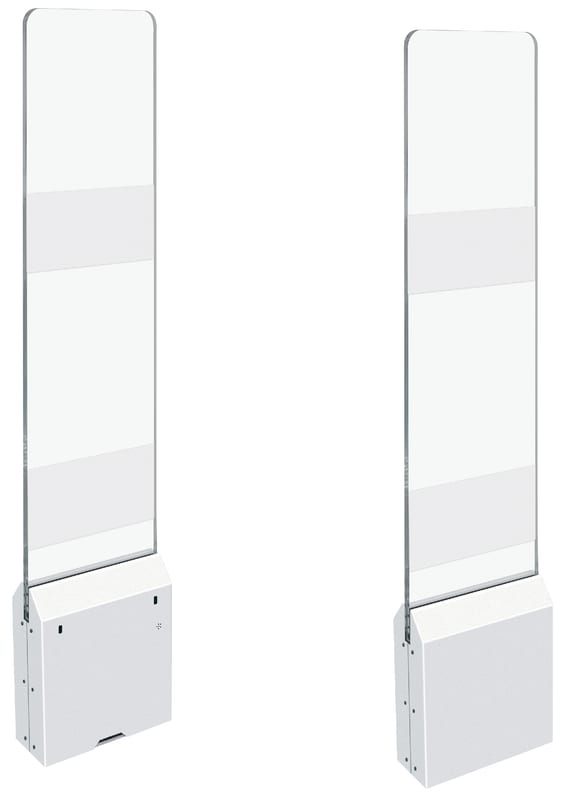
- الأمان: الوسم نفسه يحمل الإعارة ووظيفة الحماية، فلا شريط EM منفصل ولا بوابة ثانية.
- معالجة الإرجاع: صندوق إرجاع يعمل 24 ساعة يصبح ممكنًا، وهو ما يهم الطلاب أكثر مما تفترض المكتبة عادة.
سعر الوسم ليس العامل الحاسم، بل عمل التحويل. إذا كان لديك 80 ألف مقتنى، فالعمل المادي للوسم والربط والتحقق هو البند المهيمن في المشروع، ويُدفع مرة واحدة.
HF أم UHF: القرار الذي يشكّل العقد القادم
- HF عند 13.56 ميغاهرتز، ISO 15693، هو المعيار الخاص بالمكتبات. ناضج، هادئ في الأماكن المغلقة، مدعوم جيدًا من موردي المكتبات، وله نموذج أمان محدد عبر بتات AFI وEAS.
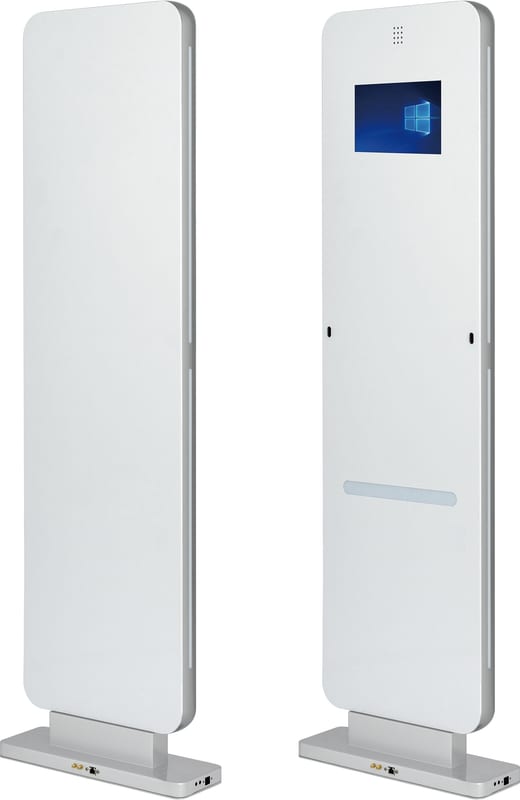
- UHF عند 865–928 ميغاهرتز، Gen2، يقرأ أسرع ومن مسافة أبعد، ويكلّف أقل لكل وسم، وهو الخيار العملي الوحيد لجرد الرفوف على نطاق واسع بعشرات الآلاف من المقتنيات.
- يحتاج UHF إلى وضع قارئات أدق، لأنه يقرأ عبر الجدران بدل أن يبقى محصورًا في سنتيمترات.
- HF محصور بطبيعته، وهذا ميزة أمنية عند الباب وقيد عند الرف.
القاعدة العملية: مكتبة عامة بموقع واحد ومجموعة متوسطة وشرط أمان قوي تخدمها HF جيدًا. مكتبة جامعية أو نظام متعدد الفروع أو مجموعة تتجاوز نحو 100 ألف مقتنى، حيث الجرد على الرفوف هو الألم الأساسي، تكسب أكثر من UHF. المزيج — فروع بـ HF ومخزن مركزي بـ UHF — ممكن لكنه يضاعف مهارات الأجهزة التي يجب الاحتفاظ بها.
برمجة الوسم: AFI وEAS وبت الأمان
هنا يفقد المشروع قيمته بهدوء. الوسم حاسوب صغير له حالة، وإذا كانت الحالة خطأ فإما تتجاهل البوابة كتابًا مسروقًا أو تصرخ على كتاب معار.
- استخدم بايت AFI لحالة الإعارة: على الرف، معار، في النقل، تحت الصيانة، مسحوب.
- استخدم بت EAS كمحرّك للبوابة، واضبطه صراحة عند الإعارة والإرجاع، لا كأثر جانبي لكتابة أخرى.
- ابرمج معرّف المقتنى في نموذج البيانات القياسي الذي يتوقعه ILS؛ لا تبتكر ترميزًا خاصًا على خليفتك فكّه عكسيًا.
- اكتب وتحقق في العملية نفسها. الوسم المكتوب غير المتحقق منه استثناء مستقبلي بلا مسؤول.
- اقفل EPC وAFI بعد التحقق، لكن أبقِ بت EAS قابلًا للكتابة، لأنه يتغير في كل معاملة.
يجب أن تنذر البوابات بالحالة لا بمجرد الوجود: مقتنى يخرج معارًا خروج مشروع، والبوابة التي تنذر عليه ستُطفأ خلال شهر.
الخدمة الذاتية والمكتبة بلا موظفين
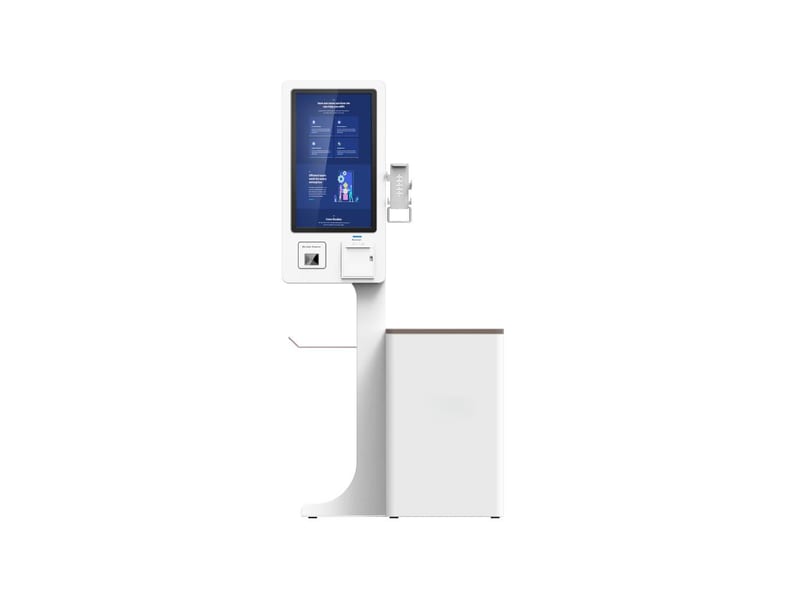
الخدمة الذاتية هي المنتج المرئي، وتغيّر التوظيف أكثر مما تغيّر التكلفة.
- ضع الأكشاك حيث تحدث الإعارة فعلًا، قرب المدخل وقرب الإرجاع، لا في الزاوية التي تناسب المعماري.
- ادعم المعاملة كاملة: إعارة، إرجاع، تجديد، سداد غرامات، ومسار بديل حين لا يحمل المستعير بطاقة. الخدمة الناقصة تنتج الطابور نفسه، على بعد متر إلى اليسار.
- صمّم لفشل الثلاثين ثانية. من لا يستطيع إتمام المعاملة يحتاج مسارًا واضحًا إلى إنسان، وإلا صار الكشك عائقًا.
- في ساعات غياب الموظفين، يجب أن تتشارك التحكم في الدخول والكشك والبوابة مصدر حقيقة واحدًا. فتح باب ليس قرارًا أمنيًا إذا لم تعرف البوابة أنه حدث.
جرد الرفوف والجرد العام بالجهاز اليدوي
هذه هي العملية التي تغيّر ثقافة المكتبة، لأنها تحوّل مهمة غير قابلة للإدارة إلى روتين.
- عرّف نطاقات صغيرة بما يكفي لإنجازها في جلسة. النطاق الذي يحتاج ساعتين سيُتجاوز.
- قارن القراءات بالتسلسل المتوقع وأنتج قائمة استثناءات قصيرة: في غير موضعه، مفقود، مجهول، معار لكنه موجود.
- جدول حسب الاستثناء لا حسب التقويم. أصلح النطاق الذي ينحرف، لا الطابق كله.
- احتفظ عند المكتب بلفة من الوسوم الفارغة المبرمجة مسبقًا. إعادة وسم مقتنى مجهول في ثلاثين ثانية هي ما يجعل المسار يصمد.
الإرجاع والفرز وصندوق الـ24 ساعة
- صندوق إرجاع بقارئ داخلي يسجل الإرجاع لحظة الإيداع، وهو ما يتوقعه المستعير وما يحتاجه حساب الغرامات.
- فرز آلي لا يستحق إلا فوق حجم معين. تحت نحو ألف إرجاع يوميًا، الفرز اليدوي بقائمة موجهة أرخص وأبسط.
- دقة الإعادة إلى الرف أهم من سرعة الفرز: كتاب أُرجع ولم يُوضع على الرف مفقود فعليًا.
الربط بـ ILS: SIP2 وNCIP والطابور
- SIP2 هو الخيار العملي الافتراضي ويدعمه كل ILS تقريبًا، بما في ذلك Koha ومعظم الأنظمة التجارية. قديم نصي لكنه موثوق.
- NCIP أغنى وأفضل للاتحادات وللمسارات التي تحتاج حالة على مستوى المقتنى تتجاوز الإعارة.
- اعتبر ILS نظام التسجيل، وطبقة RFID مصدر أحداث. لا تدع الكشك يحتفظ بحالة المقتنى المرجعية أبدًا.
- الوضع غير المتصل إلزامي: الكشك الذي يتوقف عند أول تذبذب في الشبكة سيفقد الثقة بعد الحادث الثاني.
قائمة تحقق الشراء
- من يملك نموذج بيانات الوسم، وهل هو موثق في ملف تتحكم به؟
- ما تكلفة التحويل لكل مقتنى، بما فيها وقت الموظفين وإعادة العمل على الأخطاء؟
- هل يمكنك إعادة وسم مقتنى واحد في أقل من دقيقة دون استدعاء الخدمة؟
- أي مورد يملك البوابات والأكشاك والجهاز اليدوي، وبمن تتصل صباح الاثنين؟
- هل نموذج الأمان موثق كحالات أم كوعد؟
- ماذا يحدث للوسوم إذا غيّرت نظام ILS؟
المشروع الذي يُقاس بسرعة الإعارة فقط سيُعد نجاحًا في الشهر الثاني وخيبة أمل في السنة الثانية، حين يبقى الرف مخطئًا والبوابات مطفأة. قِسه بدقة الرف، وبوقت الموظفين العائد إلى القراء، وبهدوء النظام حين يتعطل شيء.