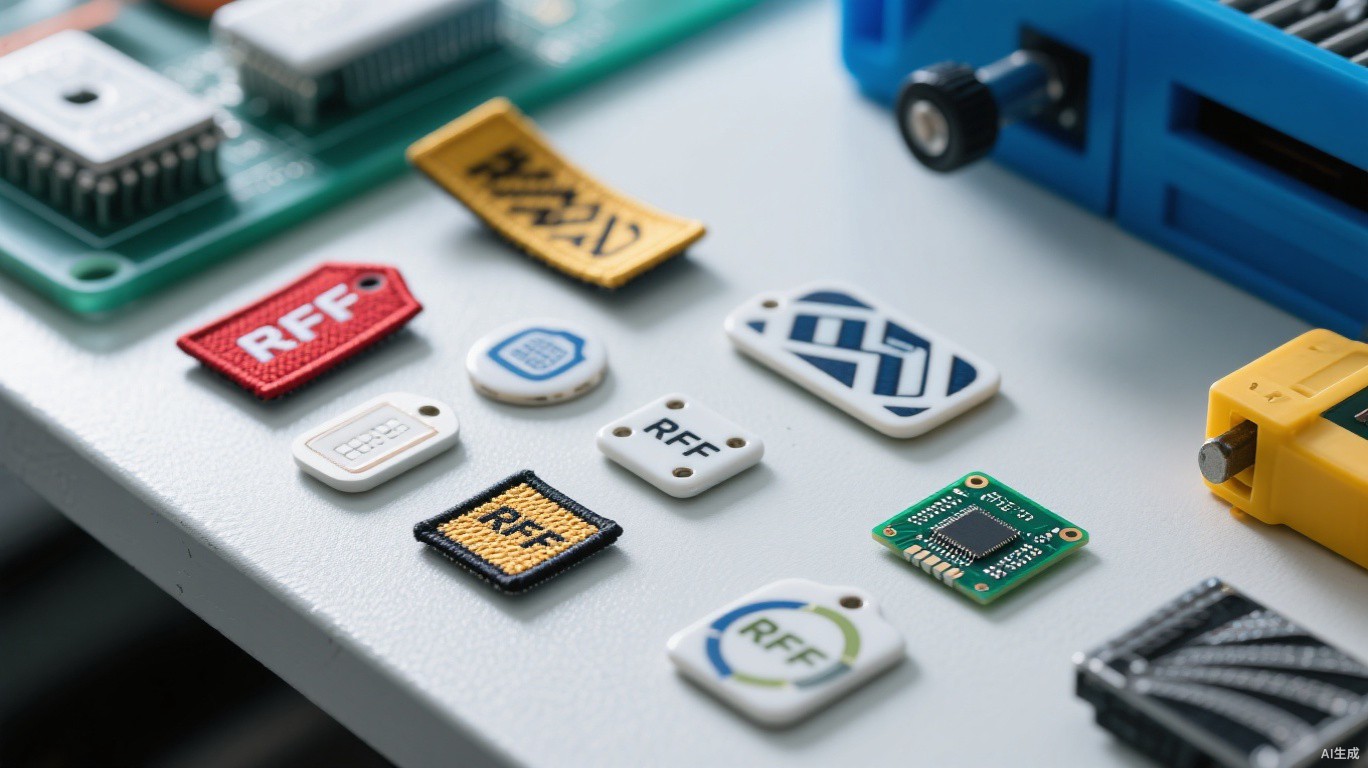
تطلب جهات تنظيم سلامة الغذاء شيئًا واحدًا متزايدًا: حين يُكتشف خلل، حدّد المنتج المتأثر في ساعات لا أسابيع، وأثبت إلى أين ذهب. ويطلب أصحاب العلامات شيئًا آخر: أثبت أن الزجاجة على الرف هي زجاجتنا فعلًا. الشرطان يبدوان كمشروع واحد وليسا كذلك. الخلط بينهما هو أشيع سبب لتوقف برامج RFID الغذائية بعد التجربة.
مشكلتان تُباعان كواحدة
- التتبع يتعلق بسلسلة حيازة عبر الدفعات: مزرعة أو مصنع، دفعة، تحويل، توزيع، متجر. وحدته الدفعة، ومخرجه سجل بيانات، وقيمته تُقاس بسرعة الاستدعاء.
- مكافحة التقليد تتعلق بأصالة وحدة بعينها: هل هذه الزجاجة هي التي عبّأناها أم إعادة تعبئة؟ وحدته القطعة، ومخرجه تحقق هوية، وقيمته إيرادات محوّلة وضرر بالعلامة.
نظام على مستوى الدفعة لا يجيب سؤالًا على مستوى القطعة، ونظام على مستوى القطعة يكلّف أكثر بكثير. حدّد السؤال الذي يُطرح عليك فعلًا، ثم قِس النظام عليه.
المشهد التنظيمي باختصار
- يشترط قانون الغذاء الأوروبي العام التتبع خطوة للخلف وخطوة للأمام، ويحدد لائحته التنفيذية للأغذية عالية المخاطر ما يجب أن يحتويه سجل الدفعة.
- قانون تحديث سلامة الغذاء الأميركي وقاعدة التتبع لفئات معينة يدفعان نحو سجلات دفعات تُنتج إلكترونيًا بسرعة.
- قانون سلامة الغذاء الصيني ومنصات التتبع فيه يدفعان نحو ترميز على مستوى القطعة لحليب الأطفال والألبان وبعض الفئات المستوردة، وهو أشد من معظم الأسواق الغربية.
- مواصفات تجار التجزئة غالبًا أشد من القانون: قد تشترط سلسلة بيانات دفعة في كل تسليم كشرط للإدراج.
المعنى العملي: ابنِ على أشد متطلب تتوقعه بشكل معقول خلال ثلاث سنوات، لا على أضعف متطلب مطبّق اليوم.
حيث يتفوق RFID على الرمز المطبوع
RFID ليس أفضل تلقائيًا، بل يتفوق في شروط محددة.
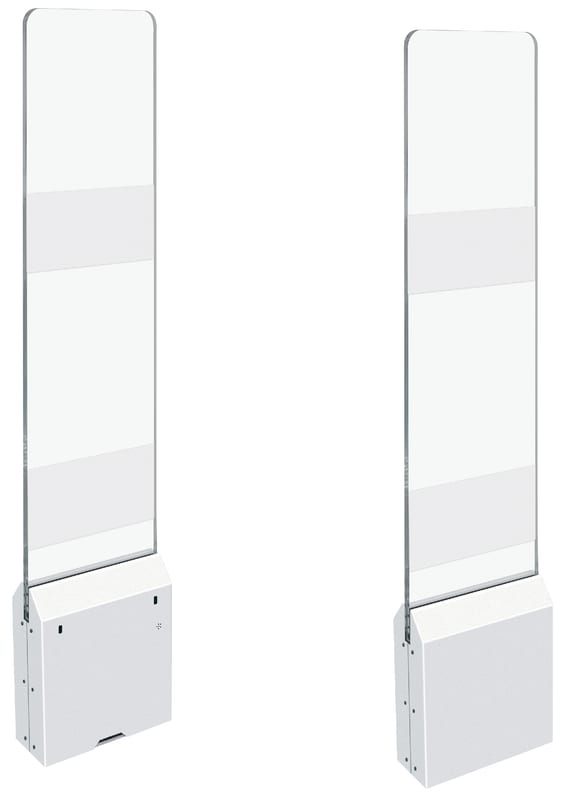
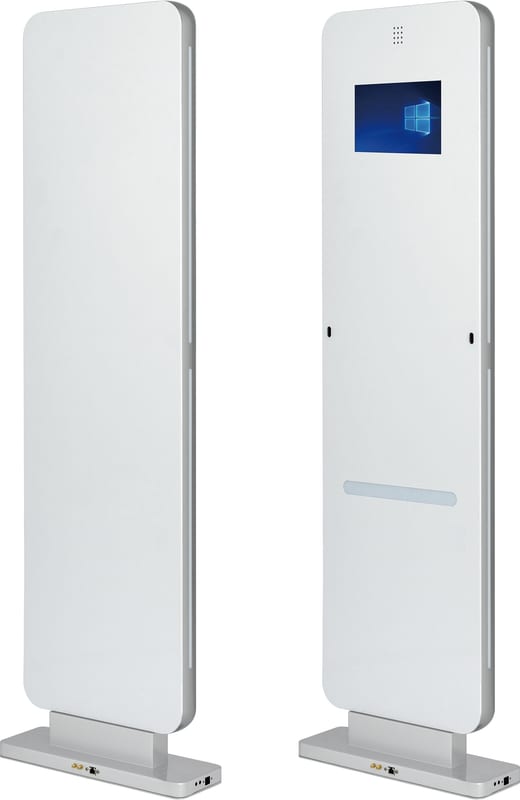
- القراءة الجماعية: منصة بـ60 صندوقًا في مدخل بوابة، تُقرأ في تمريرة واحدة، بدل 60 مسحًا يدويًا تحت ضغط الوقت.
- البيئات القاسية: تكاثف، صقيع، غبار طحين، غسل. الماسح الليزري يحتاج ملصقًا نظيفًا مستويًا مرئيًا؛ ووسم UHF على الصندوق لا يحتاج شيئًا من ذلك.
- نقاط تحكم آلية: ناقل، بوابة رافعة شوكية، باب غرفة تبريد، دورة حاويات قابلة للإرجاع.
- مكافحة التقليد، حيث لا يمكن نسخ TID الفريد للوسم وتحدٍّ تشفيري كما يُنسخ رمز QR مطبوع.
- أوعية العبور القابلة للإرجاع: صناديق، صواني، حاويات، براميل، تُوسم مرة وتُقرأ آلاف المرات.
ويخسر أمام الرمز المطبوع حين تكون القطعة رخيصة، أو الحجم صغيرًا، أو الملصق سيتلف، أو يحتاج كل مشارك في السلسلة قراءته بهاتف.
اختيار الوسم لبيئات الغذاء
- سلسلة التبريد: البطانات القياسية تصبح هشة عند 25 تحت الصفر ويفشل لاصقها على التكاثف. حدّد لاصقًا بدرجة تبريد واختبر عند الحرارة لا في الغرفة.
- التغليف المعدني: علب، صفائح، صواني بأغطية ألمنيوم. استخدم وسومًا مقاومة للمعدن أو حشوة؛ والوسم العادي على علبة يُقرأ بسنتيمترات.
- السوائل: الماء والمنتجات عالية الرطوبة تمتص طاقة UHF. الوسم على زجاجة ماء يُقرأ بشكل سيئ، وعلى الكرتون الخارجي جيدًا. اوسم الكرتون لا الزجاجة.
- الميكروويف وكاشف المعادن: بطانة UHF داخل تغليف يمر بكاشف معادن ستُرفض إن لم تكن قابلة للكشف كقطعة معدنية. استخدم بطانات مزدوجة الغرض أو ضع الوسم في موضع قابل للنزع.
- الغسل والنظافة: أغلفة ستانلس ووسوم بتصنيف IP عند نقطة الاستخدام، بتركيب يصمد للتنظيف اليومي.
مستوى الدفعة مقابل مستوى القطعة: القرار الاقتصادي
- مستوى الدفعة: وسم لكل منصة أو صندوق، ونموذج بيانات قائم على أرقام الدفعات، وتكلفة نظام يهيمن عليها التكامل لا الوسوم.
- مستوى القطعة: وسم لكل وحدة، وبرنامج تسلسل، وقدرة طباعة ولصق بسرعة الخط، وحجم بيانات يتطلب منصة EPCIS حقيقية.
- فرق التكلفة ليس ضعفين. برامج القطعة تحمل الطباعة واللصق والتحقق ومعالجة الاستثناءات وبنية تحتية للمستهلك، ويتوقف الوسم عن أن يكون البند الرئيسي.
- عمليًا، مستوى القطعة مبرَّر في فئات عالية القيمة وعالية خطر التقليد: حليب الأطفال، المشروبات الفاخرة، زيت الزيتون، المكملات، المأكولات البحرية ذات العلامة. ونادرًا ما يكون مبررًا للطازج الموزون.
مكافحة التقليد: ما الذي يمكن للوسم إثباته فعلًا
- يُبرمج TID في المصنع ويصعب استنساخه، ما يرفع تكلفة التزوير ولا يجعله مستحيلًا.
- وسم تشفيري ببروتوكول تحدٍّ واستجابة، كالقائم على ISO 29167، يمكنه إثبات أن وسمًا أصدرته أنت، بشرط أن يملك المتحقق بنيتك التحتية للمفاتيح.
- نقطة الضعف دائمًا في مسار التحقق لا في الوسم. إذا كان أي هاتف يستعلم الوسم ويقرأ هوية ثابتة، فسوف ينسخ المزورون الهوية.
- يجب أن تقاوم مسارات تحقق المستهلك الإعادة: رموز لمرة واحدة، وتحديد معدلات، وجواب واضح عند فشل التحقق.
معمارية البيانات: EPCIS ليس اختياريًا في الحجم الكبير
- يوفّر EPCIS مفردات قياسية للأحداث: commissioning وaggregation وobservation وshipping وreceiving.
- التجميع أهم مما تتوقع معظم الفرق: معرفة أي صناديق في أي منصة هو ما يجعل الاستدعاء ضيقًا لا شاملًا.
- خزّن رقم الدفعة وتاريخ الحصاد أو الإنتاج وحدث التحويل. سلسلة حيازة بلا سجلات تحويل سلسلة تخمينات.
- أبقِ مستودع EPCIS مستقلًا عن بوابة أي تاجر، حتى لا يعني تغيير العميل إعادة بناء.
التجارب والمزالق التي تليها
- جرّب خط منتج واحدًا ومسار توزيع واحد، مع تدريب استدعاء حقيقي ولو صغير في النهاية.
- قِس تكلفة الوسم لكل صندوق بما فيها العمل، لا سعر الوسم فقط.
- اختبر مدخل البوابة بمنصة كاملة وبسرعة رافعة شوكية حقيقية، لا بعشرة صناديق على طاولة.
- اتفق على مسار الاستثناءات مع الموزع قبل التشغيل؛ وإلا حُلّت أول قراءة خاطئة بمكالمة لا يسجلها أحد.
- لا تعِد عميلًا بمستوى القطعة قبل حساب خط التسلسل، لا الوسوم فقط.
مشروع تتبع غذائي يُقاس بعدد الوسوم هو عملية شراء. ومشروع يُقاس بزمن الإجابة على سؤال استدعاء، وبعدد الصناديق التي يمسها الاستدعاء فعلًا، هو نظام سلامة.