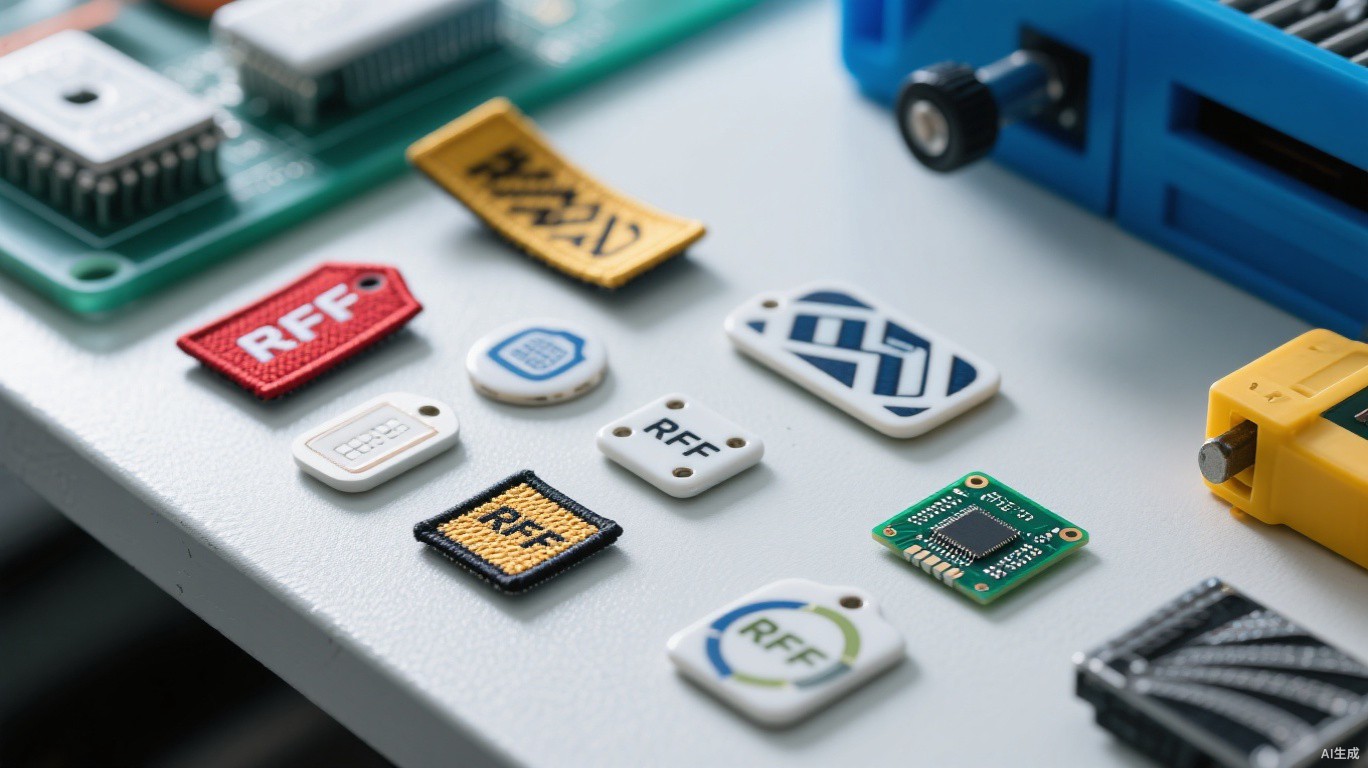
الأزياء أكبر سوق لـ RFID على مستوى القطعة، والسبب ليس الموضة بل الحساب: وسم بثلاثة إلى عشرة سنتات يُلصق على قطعة لها قيمة فردية وتُرتجع فرديًا وتُسرق فرديًا، ويصمد سنوات أمام الغسيل الصناعي.
ثم يخدم EPC نفسه خمسة أنظمة — المصنع ومركز التوزيع وصالة العرض ونقطة البيع وعملية المرتجعات — ولهذا تنجح الجدوى هنا ولا تنجح في معظم الأماكن الأخرى.
أين تبدأ السلسلة فعلًا: الوسم في المصدر
تُخلق القيمة في المصنع لا في المتجر. وحين يصل الكرتون إلى مركز التوزيع يكون الوسم إما هوية موثوقة أو عبئًا.
- حدّد موضع الوسم بالمليمتر، بما في ذلك الثنية والدرز، حتى لا تنثني البطانة أو يظللها وسم العناية.
- اطلب كتابة EPC في المصدر برمز SGTIN مطابق لأمر الشراء، وتحقق من التحويل في إشعار الشحن.
- افحص عينة من كل شحنة: 20 قطعة لكل دفعة كراتين، تُقرأ على بوابة ثابتة، بهدف يتجاوز 99%.
- اتفق على من يدفع إعادة العمل. المورّد الذي يعلم أن إعادة العمل تُحاسب بسعر ساعة عملك يسم بدقة.
مركز التوزيع: الاستلام والتخزين وقاعدة 98%
في مركز التوزيع يبدأ RFID بالدفع، لأنه يستبدل مسح كل كرتون بقراءة المنصة كلها.
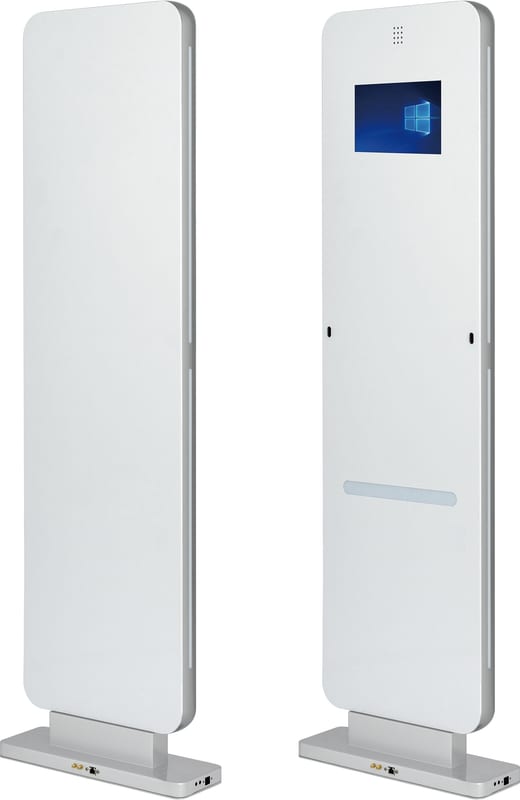
- الاستلام: تقرأ بوابة منصة من 60 كرتونًا في أقل من ثانيتين. العدد المتوقع يأتي من إشعار الشحن، وأي فرق يصبح استثناءً لا إعادة عدّ يدوية.
- التخزين: قارئات علوية تؤكد وصول الكرتون إلى الموقع الصحيح. وهنا تكتشف معظم عمليات النشر أول نقطة عمياء لهوائيها.
- قاعدة 98%: إذا قرأت بوابة أقل من 98% من الوسوم المتوقعة على منصة اختبار مضبوطة، توقف وأصلح البوابة. كل رقم لاحق يرث نسبة الخطأ هذه.
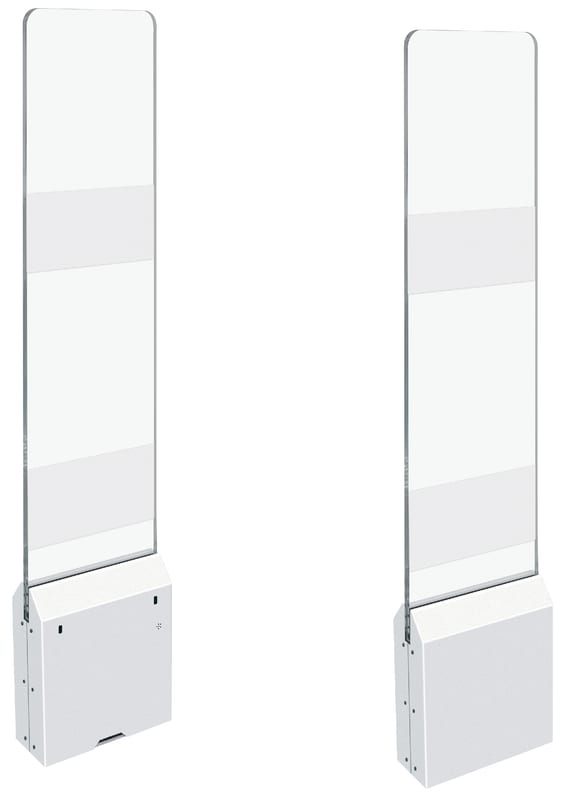
- العبور المباشر: اقرأ عند باب الدخول ثم عند باب الخروج وطابق. الكرتون الذي لا يظهر عند أيهما مشكلة حقيقية تستحق البحث.
مخزن المتجر وصالة العرض: الدقة التي تبيع
دقة المتجر هي المنفعة التي يشعر بها العميل، وهي الأكثر تركًا على الطاولة.
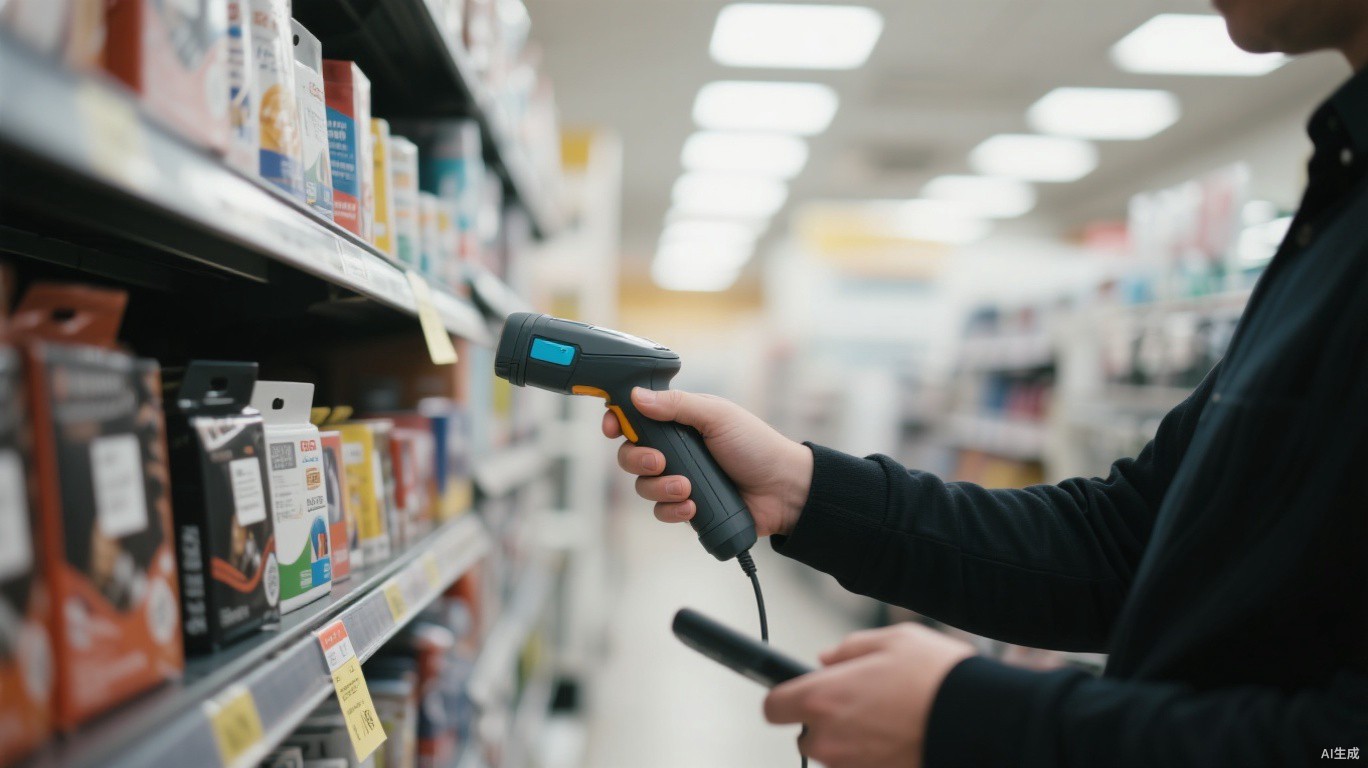
- المخزن: مسح القارئ المحمول يستغرق 10 إلى 15 دقيقة بدل ساعتين، ويحدث أسبوعيًا بدل ربع سنوي.
- صالة العرض: رف من 200 قطعة يُقرأ في ثوانٍ، ما يجعل فحص إعادة التموين اليومي واقعيًا.
- المقاسات والألوان: القيمة ليست في الإجمالي بل في منحنى المقاسات. معرفة أن لديك 40 قطعة من موديل بلا مقاس متوسط حقيقة مختلفة عن معرفة أن لديك 40 قطعة.
- العرض: القراءة الأسبوعية تكشف أيضًا القطع في غير موضعها، وهي مشكلة عرض لا يلتقطها أي تدقيق لمخطط العرض.
غرفة القياس ونقطة البيع: النقطتان اللتان تحددان العائد
نقطتا قراءة تحملان معظم العائد، وكلتاهما تُصمَّم دون حاجة غالبًا.
- غرفة القياس: هوائي عند المدخل يعدّ القطع الداخلة والخارجة. الداخل ناقص المبيع يساوي ضغط التحويل، ويعطي التسويق إشارة طلب على مستوى المقاس.
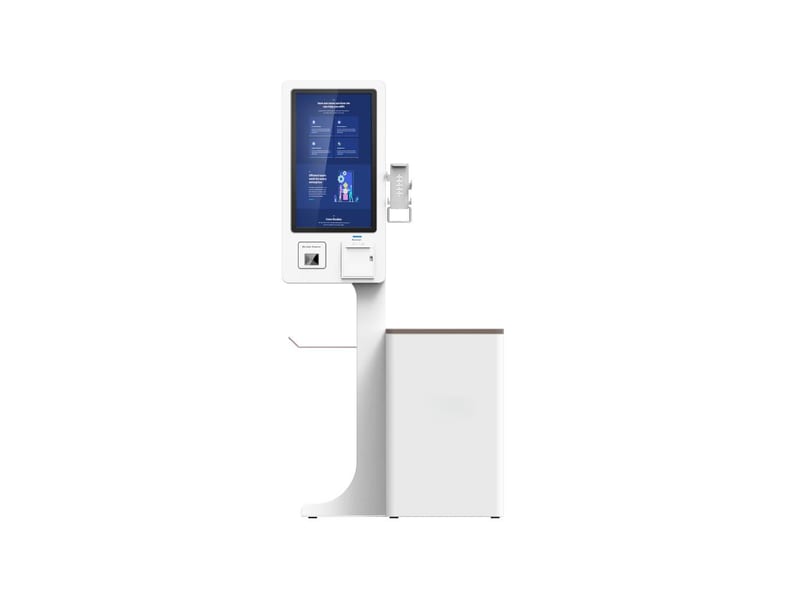
- نقطة البيع: يُعطَّل EPC نفسه أو يُزال عند البيع، فلا يُقرأ الوسم بعد مغادرة العميل. وهذا التزام خصوصية بقدر ما هو خطوة ضبط مخزون.
- الربط: ما تقرأه غرفة القياس وما تبيعه الكاشير يجب أن يتطابق في ERP، وإلا صار لديك نسختان متنافستان من الحقيقة.
المرتجعات واللوجستيات العكسية
المرتجعات هي حيث تفقد معظم برامج الأزياء بهدوء الدقة التي كسبتها.
- اقرأ القطعة المرتجعة عند مكتب الخدمة؛ وسم لم يعد موجودًا في سجل البيع إما احتيال أو خطأ نظام، وكلاهما يحتاج قاعدة.
- أعد الوسم فقط إذا كان الأصل تالفًا، وسجّل EPC الجديد تحت هوية القطعة نفسها.
- ما يقبل إعادة البيع يعود إلى صالة العرض مع حدث موقع؛ وما لا يقبل يذهب إلى قائمة تصريف برمز سبب.
- لا تُعد وسمًا إلى المخزون دون قراءة مادية أبدًا. المرتجع المكتوب يدويًا هو بالضبط المعاملة التي كان RFID يفترض أن يلغيها.
البيع متعدد القنوات: الشحن من المتجر ومخزون واحد
العائد التجاري للدقة على مستوى القطعة هو أن يصبح المتجر مستودعًا.
- الشحن من المتجر يحتاج رقمًا موثوقًا للمتاح لكل متجر ورمز صنف ومقاس؛ وبدونه تُوجَّه الطلبات إلى متاجر لا تستطيع التنفيذ وتُلغى في الميل الأخير.
- يجب أن تراعي منطق الحجز المخزون في الطريق والمخزون في غرفة القياس؛ فالثوب داخل كابينة ليس متاحًا.
- الاستلام في المتجر يحتاج قراءة عند التسليم لا مجرد تغيير حالة.
- انشر مؤشر دقة واحدًا عبر القنوات، وإلا احتفظت المالية بمجموعتَي أرقام ولم تصدّق أيًا منهما.
نشر مرحلي لا يتوقف
تتوقف معظم البرامج لأنها تحاول المراحل السبع في إصدار واحد.
- المرحلة الأولى: استلام في مركز التوزيع، للداخل الموسوم في المصدر فقط. ضيقة وقابلة للقياس، وتُثبت البوابة.
- المرحلة الثانية: مجموعة متاجر مع جرد دوري وقراءات غرفة القياس.
- المرحلة الثالثة: تعطيل عند نقطة البيع ومعالجة المرتجعات.
- المرحلة الرابعة: تنفيذ متعدد القنوات، فقط بعد تجاوز دقة المتجر للهدف شهرين متتاليين.
لكل مرحلة معيار خروج وخط أساس ومسؤول مسمّى. وبلا معيار تتحول المرحلة الأولى إلى تجربة دائمة.
الخلاصة
RFID للأزياء ينجح لأن معرّفًا واحدًا يخدم خمسة أنظمة ولأن الوسم يعيش أطول من الموسم الأول للقطعة. لكن القيمة غير موزعة بالتساوي.
- الوسم في المصدر يحمي كل ما بعده؛ والتوفير هنا يحوّل الخطأ إلى كل مرحلة لاحقة.
- مركز التوزيع وصالة العرض هما حيث تظهر أولًا مكاسب العمالة والدقة القابلة للقياس.
- غرفة القياس ونقطة البيع تحددان ما إذا كان البرنامج يمول نفسه.
- المرتجعات والقنوات المتعددة هي حيث تُحفظ الدقة أو تُفقد بهدوء.
نفّذ المراحل بالترتيب وقس قبل كل واحدة وبعدها، فيكف البرنامج عن كونه مشروع تقنية ويصبح نموذج تشغيل تجزئة.