الأمتعة هي الجزء من السفر الجوي الذي يحكم عليه المسافر بأقل معلومات وأكبر انفعال. رحلة تصل متأخرة ساعة إزعاج؛ وحقيبة لا تصل أزمة، وطابور عند مكتب، ولشركة الطيران مطالبة ومراسل وفاتورة فندق. وهي أيضًا الفشل الذي يمكن للصناعة منعه بأكبر دقة، لأنه بخلاف الطقس ومراقبة الحركة الجوية، تقع رحلة الحقيبة بالكامل داخل نظام يتحكم به المشغّل.
القرار 753 هو جواب الصناعة. ويُفهم خطأً على نطاق واسع بأنه إلزام بتركيب RFID. ليس كذلك. هو إلزام بجمع أربع نقاط بيانات لكل حقيبة ومشاركتها، وRFID ببساطة هو التقنية الوحيدة التي تجعل تلك النقاط موثوقة بالأحجام المعنية.
لماذا الأمتعة أظهر إخفاقات شركة الطيران
الاقتصاد غير متماثل. الحقيبة المُدارة خطأً تكلف شركة الطيران أكثر بكثير من الوسم الذي كان سيتتبعها، والتكلفة ليست مالية فقط.
- التكلفة المباشرة لكل حقيبة: مراسل، إقامة مؤقتة، تعويض، ووقت موظفين عند مكتب الوصول.
- التكلفة غير المباشرة: الانطباع الأول للمسافر يتشكل في صالة الأمتعة لا في المقصورة، ويتشكل في أسوأ لحظة من الرحلة.
- التعرّض التنظيمي: عدة دول باتت تطلب الإبلاغ عن معدل الأمتعة المُدارة خطأً، والرقم علني.
- الأثر الشبكي: حقيبة متأخرة في محور تؤثر على الترانزيت والرحلة التالية، وفي التحويلات الضيقة على إقلاع الطائرة.
هدف التتبع ليس معرفة مكان الحقائب لذاته، بل معرفة، في لحظة التحميل، هل يجب أن تكون هذه الحقيبة على هذه الطائرة — وهو قرار أثمن من أي تقرير.
ماذا يطلب القرار 753 فعلًا
أربع نقاط جمع، لكل حقيبة ولكل رحلة.
- عند تسجيل الوصول، حين تُقبل الحقيبة ويوضع الوسم.
- عند التحميل، حين تُرفع الحقيبة إلى الطائرة.
- عند الترانزيت، حين تنتقل حقيبة بين رحلتين أو ناقلين.
- عند الوصول، حين تُعاد الحقيبة إلى المسافر.
الالتزام هو الجمع والمشاركة مع شركة الطيران والناقل التالي. ولا يحدد RFID ولا معدلات قراءة. لكن التوقع العملي لشركات الطيران هو معدل عالٍ بما يكفي ليكون البيانات موثوقة — عمليًا فوق 99% في كل نقطة، والباقي يُعامل كاستثناء.
حل بالباركود وحده قد يفي بالحرف ويخفق في الجوهر: الماسحات الليزرية تحتاج خط نظر، ووسمًا باتجاه صحيح، وحقيبة غير قريبة جدًا من جارتها. وفي منطقة التحميل، يفشل هذا المزيج بما يكفي ليصبح البيانات عينة لا سجلًا.
توزيع القارئات: النقاط الأربع المهمة
عدد القارئات ليس الهدف، بل التغطية عند نقاط القرار.
- تسجيل الوصول: قارئ مكتبي أو مثبت على الكاونتر عند تسليم الحقيبة، يقرأ الوسم أثناء الوزن والطباعة. قارئان لكل جزيرة كافيان عادة، فالمعاملة ثابتة.
- التحميل: النقطة الحرجة. ضع القارئ عند الحاقن أو مدخل الدوّار، حيث تمر الحقائب منفردة وبشكل متوقع، لا على كامل منطقة التحميل حيث تصبح القراءات ملتبسة.
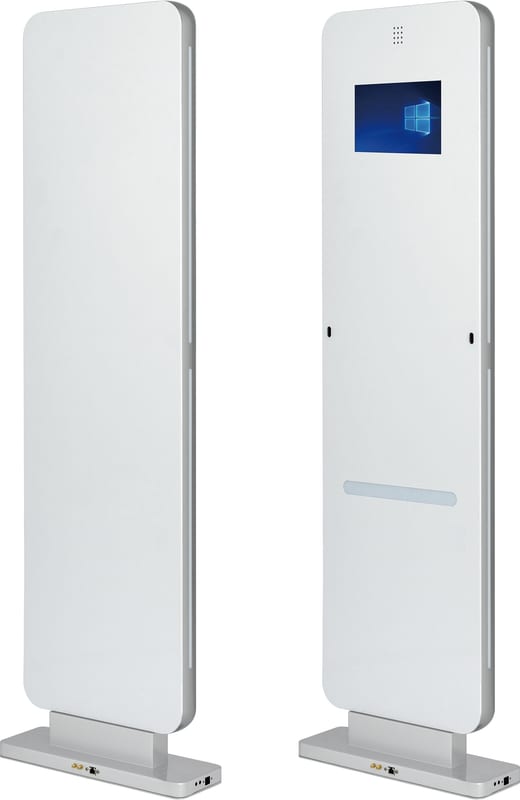
- الترانزيت: البيئة الأصعب. تصل حقائب الترانزيت في حاويات وتُعاد فرزها تحت ضغط الوقت. قارئات نفقية على خط دخول الترانزيت، وجهاز يدوي عند مكتب إعادة التوجيه اليدوي، يغطيان المسارين الآلي واليدوي.
- الوصول: قارئ عند السير أو مدخل الدوّار يؤكد التسليم للمسافر، وهي النقطة التي تغلق الرحلة وتحل معظم الخلافات.
أضف نقطة خامسة ليست في القرار لكنها تحدد ثقة النظام: محطة الاستثناءات، حيث تُؤكَّد يدويًا حقيبة قرئت خطأً. بدونها، معدل القراءة الذي تعلنه معدل لا تستطيع الدفاع عنه.
جودة الوسم: المصدر الحقيقي للقراءات المفقودة
في كل نشر ضعيف الأداء تقريبًا، القارئات تعمل والوسوم لا تعمل.
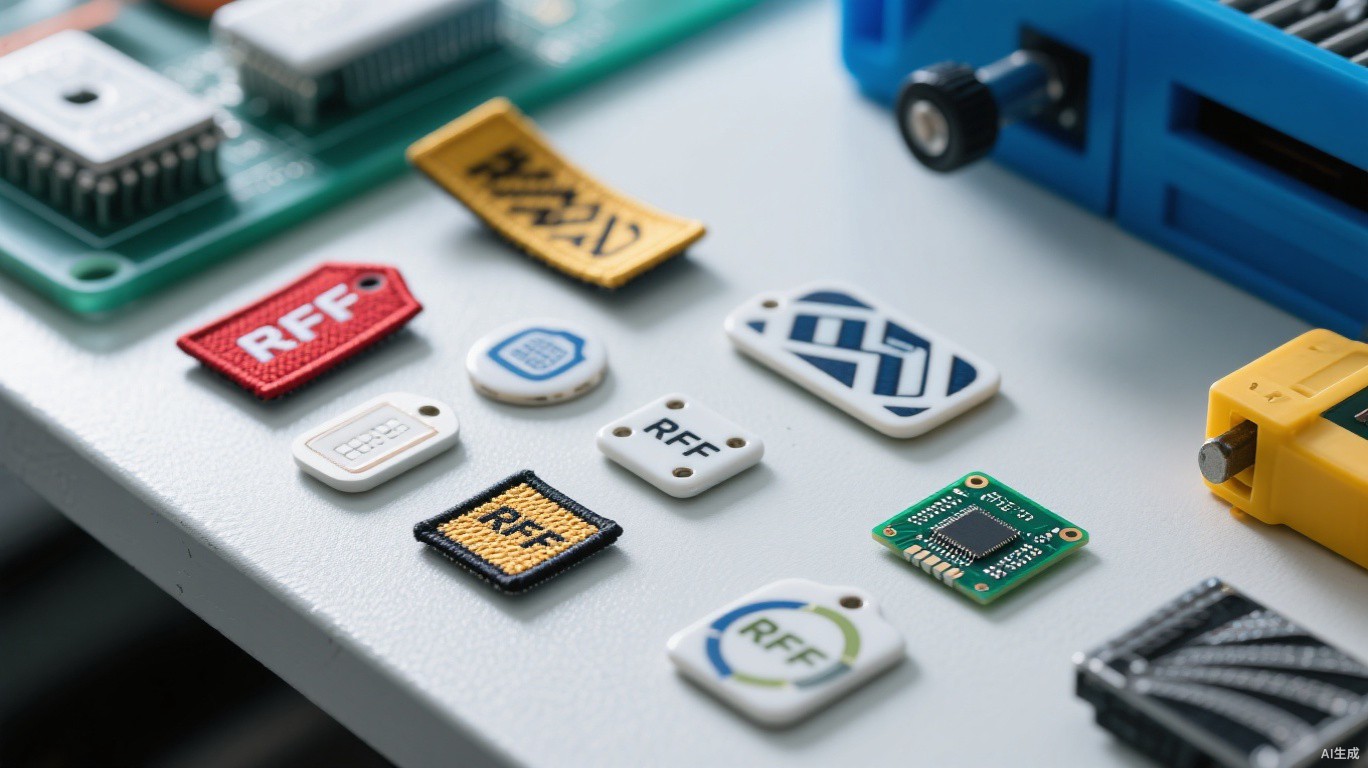
- استخدم وسومًا مطابقة لتنسيق بيانات IATA RP1740c وواجهة UHF Gen2 الجوية. الوسوم الرخيصة تُقرأ بجزء صغير من مداها المقنن.
- البطانة أهم من الوجه المطبوع. وسم ببطانة ضعيفة وطباعة جميلة هو زينة.
- موضع الوسم على الحقيبة عملية لا فكرة لاحقة. لا يُثنى الوسم حول المقبض، ولا يُضغط على جدار الحقيبة، ولا يوضع حيث تستقر حقيبة أخرى عليه في الحاوية.
- صيانة طابعة الملصقات تحدد معدل القراءة بقدر ما يحدده القارئ. رأس طباعة مهترئ ينتج وسومًا مكتوبة لكن غير مقروءة.
- اختبر بحقائب حقيقية، في حاوية حقيقية، وبسرعة سير حقيقية، قبل توقيع القبول. معدلات المختبر متفائلة بفارق كبير.
إيصال البيانات إلى نظام مناولة الأمتعة وأنظمة الشركة
- نظام مناولة الأمتعة يتحكم بالمسار المادي؛ وعلى طبقة RFID أن تُعلمه لا أن تحل محله. قراءة تصل بعد أن يتخذ المحوّل قراره هي تقرير لا تحكم.
- أرسل أحداث القراءة إلى شركة الطيران بالتنسيق الذي تتوقعه، مع الطابع الزمني ومعرّف الموقع الذي يمكنها مطابقته بسجلها.
- أبقِ رقم وسم الحقيبة مفتاحًا. EPC تفصيل تنفيذي؛ ولوحة الترخيص العشرية هي لغة الصناعة.
- سجّل طابع وقت القارئ وطابع وقت استلام الخادم معًا. في محور بعشرات القارئات، سيُنتج انحراف الساعات مسارًا يبدو أنه يسير إلى الخلف.
الجدوى: التكلفة لكل حقيبة مُدارة خطأً
تُبنى الجدوى عادة على ثلاثة بنود.
- انخفاض الأمتعة المُدارة خطأً، بوحدة حقيبة لكل ألف مسافر. وحتى تحسّن متواضع في عملية كبيرة ينتج رقمًا مطلقًا كبيرًا.
- استرداد أسرع عند حدوث الخطأ، لأن آخر نقطة قراءة معروفة تستبدل البحث بالاستعلام.
- رأسمال متجنَّب في الطاقة المستقبلية، لأن معرفة أماكن الحقائب تقلل الهامش الذي تبنيه المطارات في الفرز.
تكلفة الوسم لكل حقيبة صغيرة أمام قيمة الحقيبة وتكلفة المطالبة، لكنها تكلفة متكررة، وهي الرقم الذي ستجادل فيه المالية. والجواب ليس شراء وسوم أرخص، بل إبقاء معدل القراءة عاليًا بما يكفي ليبقى وسم كل حقيبة متتبَّعة فعليًا منخفضًا.
مسار التنفيذ لمطار متوسط الحجم
- جهّز صالة واحدة وشركة طيران واحدة أولًا، عند النقاط الأربع كلها، بدل نشر تسجيل الوصول على كامل المطار.
- أسّس معدل الخطأ الأساسي قبل أي تغيير، بنفس طريقة القياس التي ستستخدمها بعده.
- شغّل فترة متوازية بالباركود وRFID وقارن قائمتي الاستثناءات. الفرق بينهما هو أداء القراءة الحقيقي.
- أشرك مناول الأرض من الأسبوع الأول. فهو يتحكم بالتحميل والترانزيت، ونظام لا يثق به سيُتجاوز.
- خطط لمسار الاستثناءات قبل التشغيل: من يراجع حقيبة بثلاث قراءات وبلا تأكيد تحميل، وفي أي مهلة.
تشغيله بعد التسليم
- راقب معدل القراءة لكل نقطة ولكل يوم كمؤشر تشغيلي لا كمقياس مشروع. الانخفاض البطيء في قارئ واحد هو أقدم إنذار ستحصل عليه.
- صِن الطابعات بالجدول نفسه الذي تصين به القارئات. معظم حوادث معدل القراءة تبدأ عند رأس طباعة.
- راجع الاستثناءات أسبوعيًا مع المناول وشركة الطيران معًا. المراجعة الشهرية أبطأ من أن تغيّر السلوك.
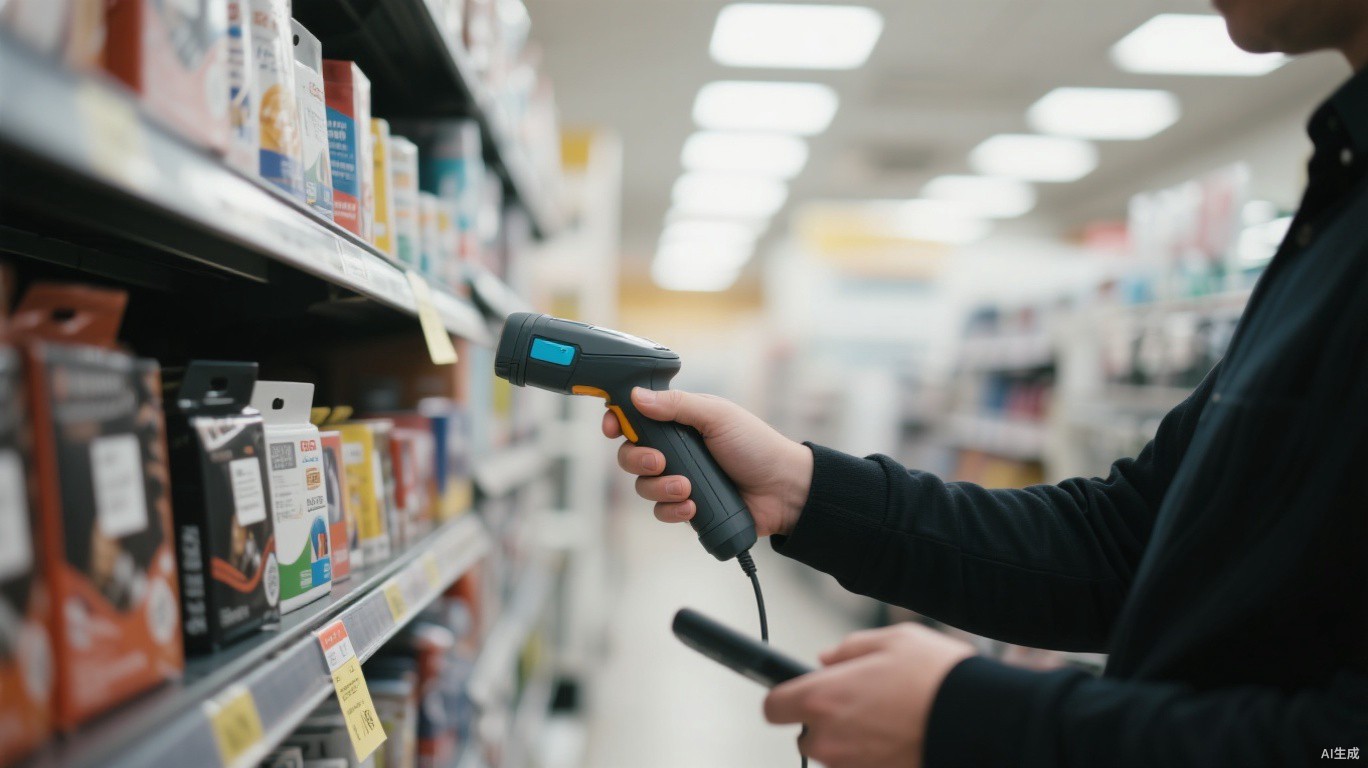
- أبقِ جهازًا يدويًا في كل محطة استثناءات وإجراءً موثقًا للمطابقة اليدوية.
نظام RFID للأمتعة لا يكتمل بتركيب القارئات، بل يكتمل حين تصبح قائمة الاستثناءات قصيرة، وله من يملكها، وتتوقف شركة الطيران عن الاتصال للسؤال عن حقيبة.