يُعامَل الجرد الدوري في متاجر الملابس كواجب امتثال، لكنه في الواقع العملية الأعلى تأثيرًا في المتجر، لأن كل ما سواه — إعادة التزويد والتخفيضات والنقل والتجهيز للطلبات الإلكترونية — يستهلك الرقم الذي ينتجه الجرد. وإذا كان ذلك الرقم عمره أربعة أيام ودقته سبعة وثمانين بالمئة، فإن كل قرار لاحق يرث الخطأ.
والملابس هي المجال الذي يظهر فيه ذلك أسرع. عشرة آلاف صنف في صالة البيع، معلقة ومطوية، بثلاثة مقاسات وأربعة ألوان، وتواتر جرد يصرّ عليه العمل ولا تتحمله الطواقم. البيانات التالية من تجربة خمسين متجرًا، والنمط يتكرر: مشكلة الجرد هي مشكلة التقاط بيانات، وتتلاشى حين يصبح الالتقاط رخيصًا.
لماذا الملابس أفضل أول نشر لـ RFID
نادرًا ما تُختار الملابس لأسباب استراتيجية. تُختار لأن الحساب يعمل، وهو يعمل لخمسة أسباب بنيوية.
- كثافة أصناف بين خمسة آلاف وثلاثين ألفًا في المتجر تجعل جرد الباركود بطيئًا بنيويًا: كل قطعة يجب لمسها، والعمل ينمو خطيًا مع التشكيلة.
- قيمة القطعة في النطاق الأوسط: كافية لتبرير بطاقة، ومنخفضة بحيث لا تصبح البطاقة البند المهيمن في التكلفة.
- الجرد إلزامي ومتكرر، لذا فإن RFID يستبدل بند تكلفة قائمًا بدلًا من إنشاء بند جديد.
- المنسوجات صديقة للراديو: بطاقة مخيطة أو ملصقة تصمد أمام الطي، والقماش لا يفسد هوائي القارئ كما تفعل الأرفف المعدنية أو السوائل.
- القارئ الذي يُشترى للجرد يخدم أيضًا إعادة التزويد ورؤية غرف القياس والاستلام في المتجر — ومن هنا يأتي العام الثاني في دراسة الجدوى.
حساب الجرد
قبل أي تجربة، ضع العملية الحالية في سطر حساب واحد. الرقم عادة أسوأ من الحكاية.
- عشرة آلاف صنف وأربعة أشخاص وثماني ساعات: 320 ساعة عمل لكل جرد، وهذا هو السيناريو المتفائل.
- بتكلفة محملة اثنين وعشرين يورو للساعة، يكلف الجرد الواحد نحو سبعة آلاف يورو.
- دقة سبعة وثمانين بالمئة تعني أن 1300 صنف مجهول تمامًا، والأنظمة اللاحقة تعامل المجهول كصفر.
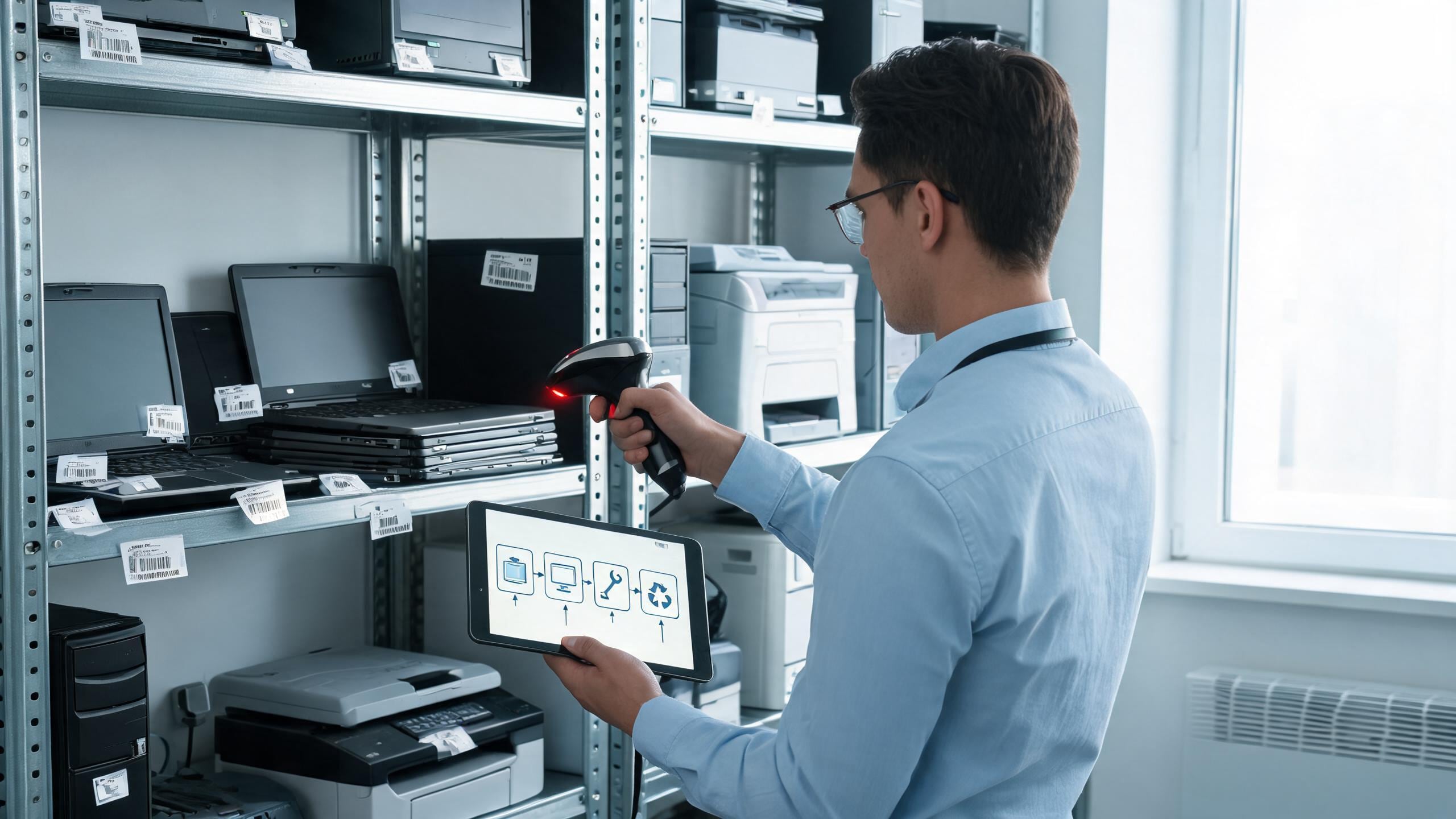
- مع RFID، يمشي شخص واحد في الصالة ثلاثين دقيقة، فتنخفض التكلفة إلى نحو أحد عشر يورو، وترتفع الدقة إلى التسعينيات العليا.
- ما يقنع المدير المالي ليس الساعات الموفرة بل القرارات المتغيرة: تحويلات طارئة أقل، وتخفيضات أقل سببها مخزون شبحي.
نتائج ميدانية من تجربة خمسين متجرًا
جرت التجربة عبر خريف واحد وذروة عطلة واحدة، وهذا مهم، لأن إجراء جرد يعمل فقط في ربع هادئ ليس إجراءً.
- انخفض زمن الجرد من 7.8 ساعة إلى 28 دقيقة لكل متجر، أي انخفاض أربعة وتسعين بالمئة، وصمد في أسابيع الذروة.
- ارتفعت الدقة مقابل تدقيق يدوي من 87.3 إلى 99.4 بالمئة، مع تركز الباقي في فئة بها عيب معروف في موضع البطاقة.
- انخفضت المبيعات المفقودة بسبب النفاد اثنين وأربعين بالمئة، معظمها في أفضل مئتي طراز حيث يحدد توفر المقاس التحويل.
- انخفض الفاقد اثنين وستين بالمئة، لكن الآلية لم تكن منع السرقة: بل اكتشاف تحويلات استُلمت ولم تُوضع على الرف.
- كان تبنّي الموظفين هو القيد الحاسم في الأسابيع الستة الأولى، لا التقنية؛ والمتاجر التي تدرّبت على الإجراء مرتين قبل التشغيل هي التي أبقته.
إجراء الجرد الذي يعمل فعلًا
الجرد سير عمل، ويجب أن يكون قصيرًا بما يكفي لأن ينفذه مدير المتجر يوم ثلاثاء مزدحم.
- اجرد حسب المنطقة لا حسب عائلة المنتج: للمنطقة حدود ثابتة يمكن للقارئ أن يجتازها بنمط متوقع.
- اجرد كل ما في المنطقة، بما في ذلك ما لا ينبغي أن يكون فيها؛ فالاستثناءات ناتج الجرد لا إزعاج له.
- لا تُظهر للمشغّل الكمية المتوقعة أولًا؛ فالجرد الذي يُعطى الإجابة يتحول إلى تأكيد.
- احفظ قائمة القراءات لا الإجمالي فقط؛ القائمة الخام هي ما يجعل المطابقة ممكنة بعد ثلاثة أيام.
- أغلق المنطقة في النظام فورًا، حتى لا تختلط الحركات اللاحقة بالفرق.
الدقة نظام قياس لا رقم
أي نسبة دقة على عرض تجاري لا معنى لها حتى تسأل: مقابل ماذا قيست؟
- عرّف المرجع: تدقيق يدوي، أو تمريرة RFID ثانية، أو مطابقة تجمع الاثنين.
- أبلغ ثلاثة أرقام لا رقمًا واحدًا: الاسترجاع لما وُجد، ودقة النسبة، واكتمال المناطق التي مُسحت فعلًا.
- معدل قراءة تسعة وتسعين بالمئة على رف مررت به مرة لا يساوي النسبة نفسها على صالة مررت بها جيدًا.
- فقدان البطاقات ضريبة صامتة على الدقة؛ قِسه شهريًا بمقارنة البطاقات الصادرة بالبطاقات المقروءة.
- انشر الدقة لكل منطقة، لأن متوسط مخزن مثالي وصالة معطلة يخفي بالضبط المشكلة التي تحتاج إصلاحها.
أين تفشل الجردات: الاستثناءات لا المسح
في النشر الناضج يصبح المسح نفسه مملًا. العمل هو قائمة الاستثناءات.
- سوء الموضع هو الاستثناء الغالب في الملابس: القطعة الصحيحة في بلوك مقاس خاطئ تُقرأ بامتياز وتبقى خاطئة.
- «مستلم ولم يوضع» هو الثاني: القطعة في المبنى، والنظام يقول إنها في الصالة، ولم يمشها أحد.
- المخزون الشبحي يظهر حين تُزال البطاقة عند الكاشير ولا تُسجَّل العملية؛ القطعة ذهبت والسجل لم يذهب.
- القراءات المكررة من مناطق متجاورة تنتج إيجابيات كاذبة، لذا يجب أن يزيل البوابة التكرار حسب EPC داخل نافذة زمنية قبل الكتابة.
- مراجعة أسبوعية للاستثناءات مدتها ثلاثون دقيقة تعيد قيمة أكبر من جرد ثانٍ، لأنها تصلح السبب بدل إعادة قياس العَرَض.
إيقاع المتجر: يومي وأسبوعي وربع سنوي
التواتر قرار تصميمي، ويجب أن يتبع سرعة تحلل الإجابة.
- يومي: مناطق عالية القيمة أو عالية الدوران، تُجرد في عشر دقائق قبل الفتح، ليكتشف فشل التزويد وهو ما زال رخيصًا.
- أسبوعي: جرد متدرج لكامل الصالة موزع على خمسة أيام، خُمس كل يوم، حتى لا يخسر المتجر صباحًا واحدًا.
- ربع سنوي: تدقيق كامل بعينة مرجعية يدوية، وهو معايرة لا تشغيل.
- سنوي: الجرد المالي، ويكون فيه ناتج RFID هو الجرد الأساسي والعينة اليدوية هي الضابط.
- أي تواتر يحتاج ساعات إضافية سيُهجر في أول شهر مزدحم.
نموذج العائد ومتغيراته الحساسة
النموذج بسيط؛ والحساسية هي ما يحتاج جدلًا.
- البسط هو العمل الموفّر زائد المبيعات المستعادة زائد الفاقد المتجنب، والحد الثالث هو الأقل ثقة لدى الإدارة المالية.
- المقام هو البطاقات والقارئات والتركيب والتكامل وسنتا تغيير العملية التي لا يضع لها أحد ميزانية.
- تكلفة البطاقة للقطعة هي المتغير الأكثر حساسية في الملابس، لأنها تُضرب في كل ما يبيعه المتجر.
- افتراضات معدل القراءة أهم من سعر القارئ: معدل خمسة وتسعين بالمئة يفرض المرور مرتين ويعيد ما وفّرته العمالة.
- ابنِ النموذج على ثلاث سنوات لا سنة، لأن تكلفة البطاقات تُدفع مرة عند الإدخال والمنافع تتراكم على القاعدة نفسها.
ما يجب فعله قبل التجربة
تفشل التجارب لأسباب تنظيمية أكثر بكثير من الأسباب التقنية.
- احسب الجرد: شغّل الحساب السابق بأرقام المتجر الحقيقية قبل الحديث مع أي مورّد.
- بطّق فئة واحدة من طرف إلى طرف، بما في ذلك مسار الإرجاع، لأن البطاقات تُفقد في مسار الإرجاع.
- اتفق على عملية الاستثناءات مع مدير المتجر قبل التشغيل؛ فالبرمجيات لا تستطيع أن تقرر ما يُفعل بقطعة في موضع خاطئ.
- قِس خط الأساس لثمانية أسابيع، لتكون التحسينات مقيسة لا متذكَّرة.
- اكتب ما يجعلك تتوقف، وراجعه في منتصف الطريق؛ فالتجربة بلا معيار إيقاف تتحول إلى تكلفة دائمة.